Avian flu is widespread in Massachusetts birds: What people should do
By BETTY BARRER
Waltham Times Contributing Writer
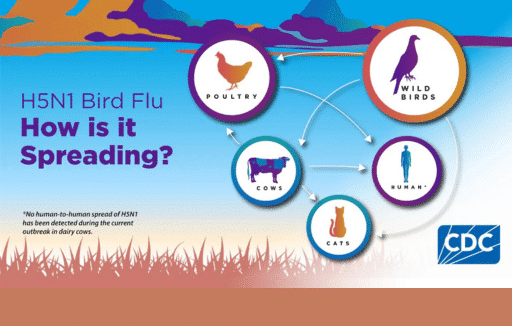
Massachusetts officials have determined that avian influenza is widespread among wild and domesticated birds in the state.
No positive avian flu test results in Waltham birds have been reported publicly so far, according to Julie Wood, climate resilience director at the Charles River Watershed Association. Still surveillance testing has found positive cases throughout the state.
Nearby, “Watertown has seen an increase in dead bird sightings,” although “the state has not yet confirmed the presence of bird flu in Watertown,” stated the city’s website.
Avian flu (formally known as highly pathogenic avian Influenza [HPAI] H5N1 virus) is likely to be present even in places without confirmed cases.
Humans are not easily infected with the virus, and almost all known cases have involved close contact with infected animals.
On Thursday officials from the Massachusetts Fisheries and Wildlife, Agricultural Resources and Public Health departments provided advice on what to do.
- Stay away. People should refrain from handling birds or other animals that are dead or appear sick. Wash your hands thoroughly after any contact. Dogs and cats should be kept away from sick or dead birds, too. Cats are particularly susceptible to severe illness and death after infection.
- Report. Anyone who sees five or more sick or dead wild birds at a single location should report this to the state at mass.gov/reportbirds. Additionally, anyone who sees one or more sick or dead bald eagles, peregrine falcons or snowy owls should report this to the state. Sick or dead poultry or other domestic birds should be reported to the Department of Agricultural Resources either by phone at (617) 626-1795 or through mass.gov/reportpoultry.
- Care for chickens and poultry. Keep domesticated birds away from wild birds, particularly wild waterfowl, as well as feathers and droppings. Eliminate standing water, and restrain domestic birds from ponds, streams and wetlands. Isolate new birds and those returning from fairs or shows for at least one month. Limit other people’s access to the flock, and only share equipment after thoroughly cleaning and disinfecting between locations.
- Hunt safely. Follow best practices when handling and processing game. The risk of contracting avian flu from hunting and eating wild game is considered low.
The state has further information on avian flu and its recommendations.
Author