How to avoid insect-borne diseases this summer
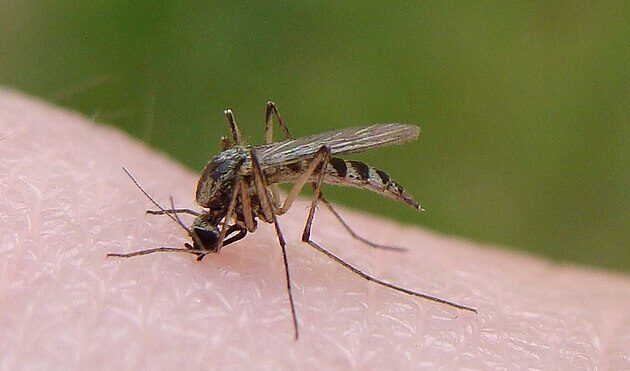
Summer in Massachusetts signals the peak spread of illnesses by mosquitoes and ticks. The most common tick-borne illnesses in Massachusetts are Lyme disease, babesiosis and anaplasmosis according to the Massachusetts Department of Public Health.
Early detection and treatment are important for tick-borne illnesses such as Lyme disease, which can lead to arthritis and nervous system damage if left untreated. Babesiosis is caused by a blood parasite carried by ticks and may require dialysis or blood transfusion in severe cases, although many who are infected show no symptoms. Anaplasmosis, also called human granulocytic anaplasmosis or HGA, is a bacterial infection carried by ticks that attacks white blood cells and causes flu-like symptoms. It can be treated with antibiotics.
In Massachusetts, mosquito-borne illnesses of concern are West Nile virus and Eastern equine encephalitis. EEE is rare but deadly, with a 50% fatality rate and only 115 cases in Massachusetts since 1938. EEE causes high fever, stiff neck and headache. West Nile virus is more common, with 131 cases in Massachusetts between 2014 and 2023. Eight of those cases resulted in death. It’s difficult to tell how prevalent West Nile virus is, as 80% of those infected show no symptoms.
According to Waltham Director of Public Health Michelle Feeley, there have been no mosquitoes that have tested positive for EEE in Massachusetts thus far this year. “There have, however, been five positive mosquito samples that have tested positive for West Nile virus,” Feeley said in an email to The Waltham Times. The positive tests were located in Chelsea, Falmouth, Shrewsbury, Swansea and Watertown.
Waltham is one of 28 communities participating in the East Middlesex Mosquito Control Project, which involves spraying of Zenivex E4 to control local mosquito populations. While Zenivex E4 is a pesticide, it is classified as reduced risk by the Environmental Protection Agency and poses little risk to humans, other mammals, birds or reptiles due to the small amount used to control mosquitoes. The pesticide kills adult mosquitoes and then rapidly biodegrades. Spraying took place on July 9 in key areas around the city.
While the city’s spraying does help to knock down mosquito populations, it is still important that residents stay vigilant to prevent mosquito- and tick-borne illnesses. Feeley’s advice for residents is to use insect repellents with permethrin or DEET in order to prevent contracting mosquito- and tick-borne illnesses. Additionally, she recommends staying indoors during dawn and dusk when mosquitoes are the most active. Wearing long-sleeved clothing and performing a visual “tick check” can help as well.
Author