
‘Mill Girls’ were the backbone of 19th century Waltham industry

Working at a factory in the 1800s was by no means glamorous or safe, but it did allow girls and women of the time to earn money and have a modicum of independence, unlike most of their peers.
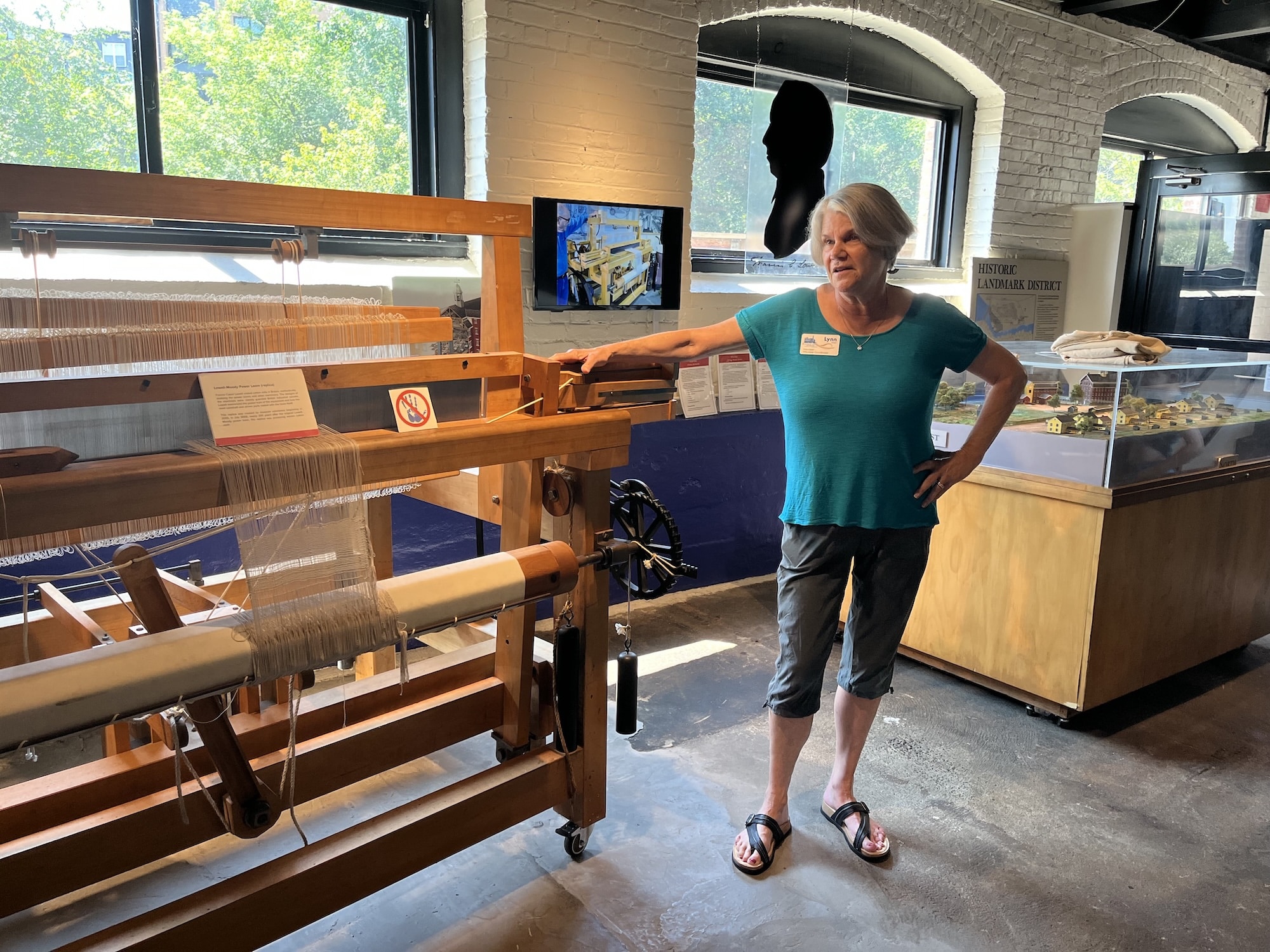
“I think they are an amazing group of women,” said Lynn Hallen, a volunteer docent at Waltham’s Charles River Museum of Industry & Innovation.
So much so that the museum has a recurring program that tells their story. The next tour, titled “The Mill Girls in Story and Song,” happens this Thursday, Aug. 7, starting at 11 a.m. and running 45 minutes.
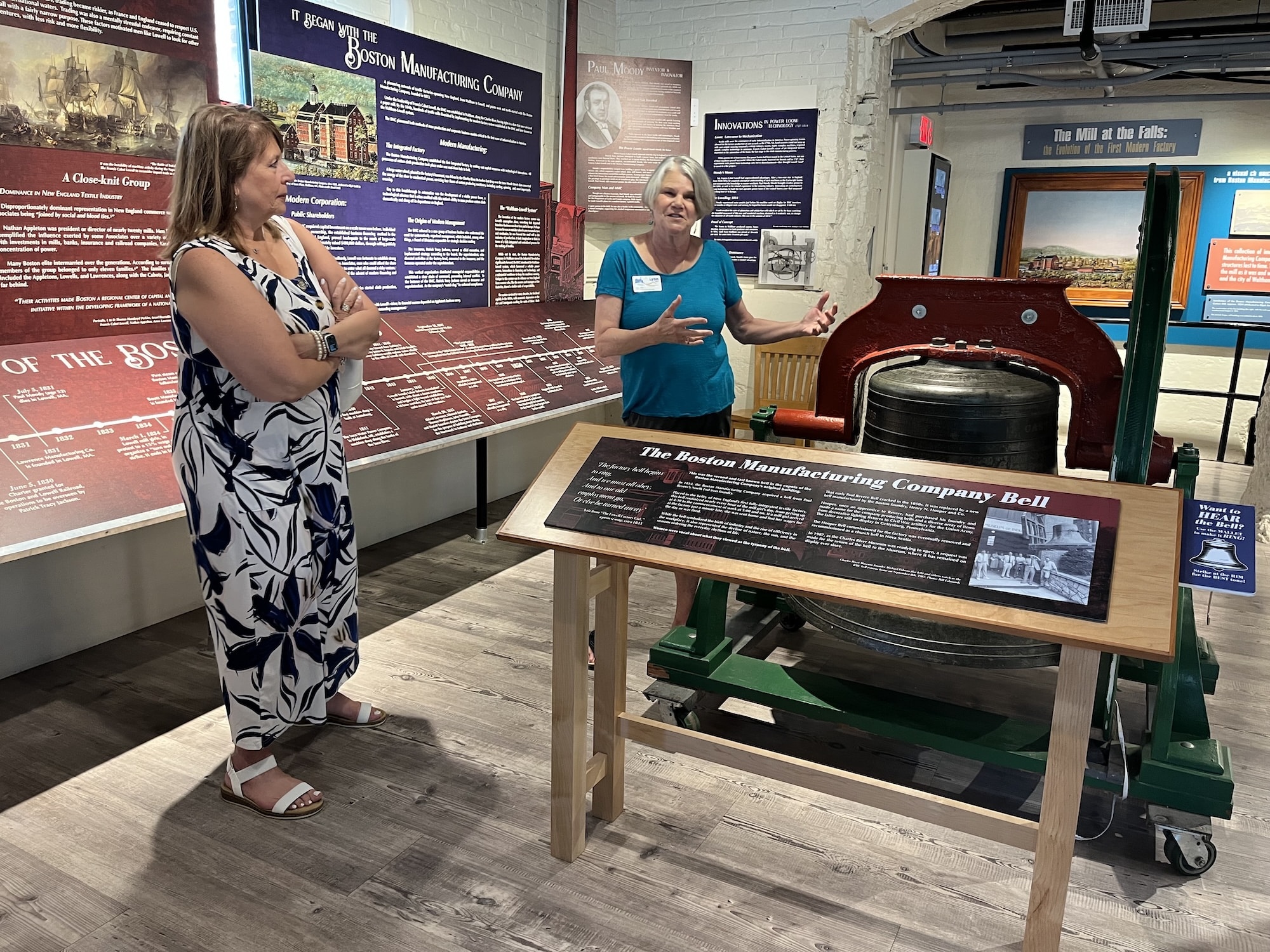
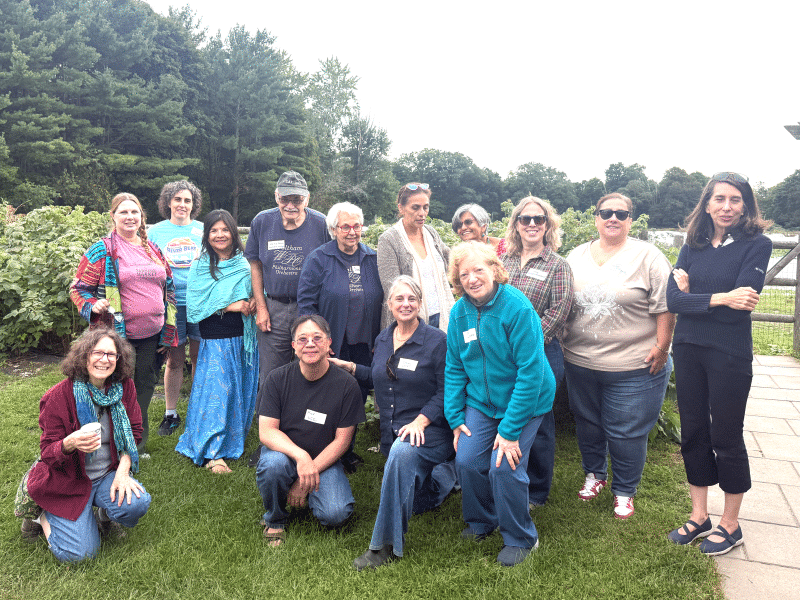
In a detailed “Mill Girls” tour on July 30, Hallen brought to life the female factory workers of the early 19th century.
The young women, who ranged in age from 16 to 25, toiled standing up for 12 to 14 hours a day making cloth at the former Boston Manufacturing Co. in Waltham. Founded in 1813 by Francis Cabot Lowell, Boston Manufacturing Co. was the first integrated textile mill in the United States.
The Charles River Museum is located on the campus of the once lucrative factory, sitting adjacent to the Charles River, which had powered the mill.
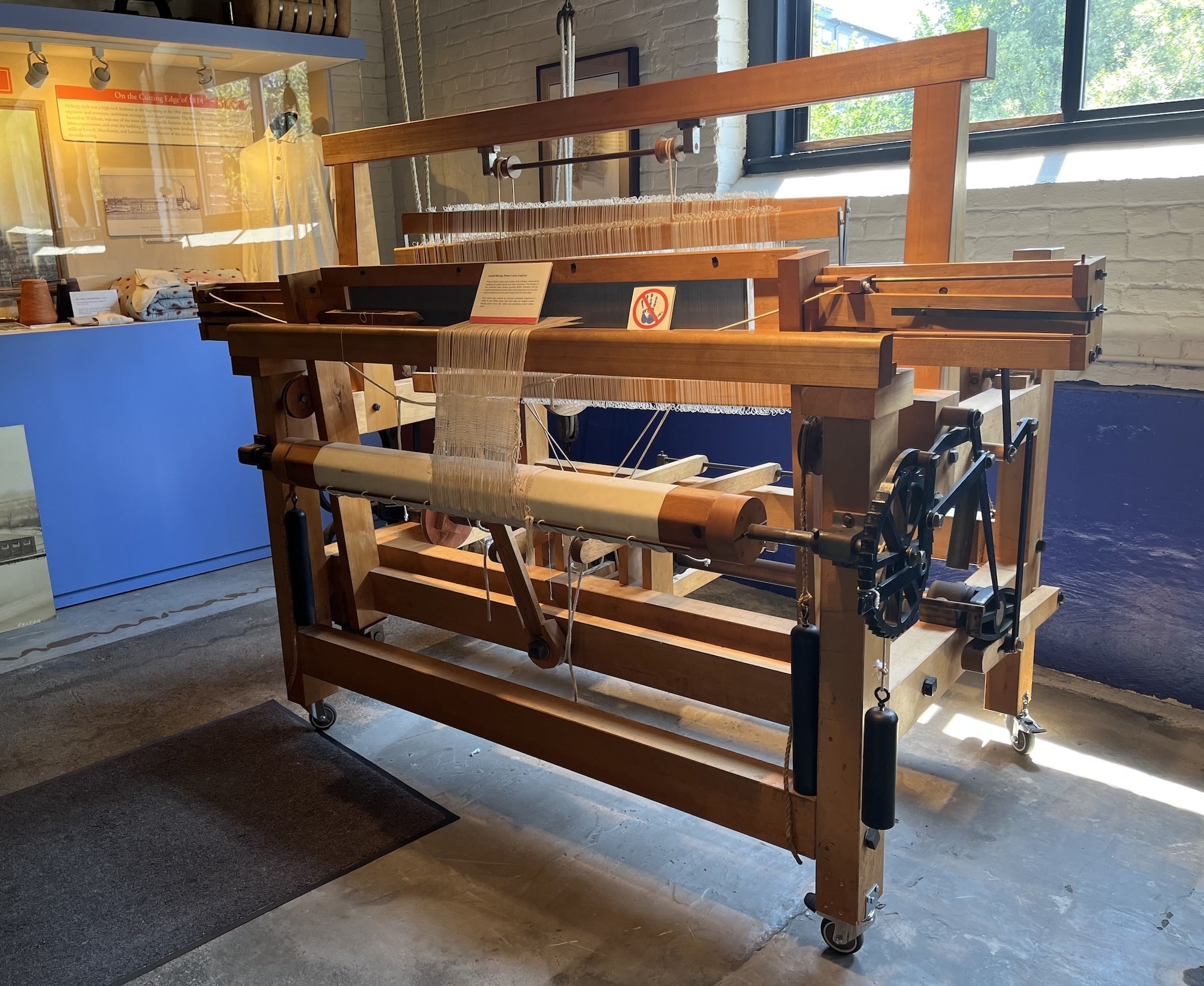
Female employees who were recruited from Waltham, and eventually other parts of New England, to work in the mill gained technical skills to work on and maintain the machines used to create textiles.
After all, 200 years ago “you [couldn’t] go to Home Depot,” joked Hallen.
Knowing how to ensure the machines ran smoothly gave women the chance to earn more pay – although, unsurprisingly, far less than their male counterparts.
The young women lived in company housing, with 40 to a home. Lowell, the owner, felt the workers’ community should be “moral and upright,” said Hallen. The employees had a curfew and were required to attend church on Sundays. The women’s workdays were dictated by the tolling of a large, much-loathed bell which told them when to rise (4:40 a.m.), when to eat (7 a.m.), when to return to work (7:30 a.m.), when to take another break (noon) and when to go back to work (12:30 p.m.) until they lost daylight.
Dark realities
Hallen also highlighted the tragic parts of mill work. Even though the young women in Waltham and other manufacturing centers were earning money and gaining some independence for their work, enslaved people in the South who picked the cotton for the cloth would continue to be exploited and tortured for decades.
There’s a direct correlation between the amount of cotton needed for the cloth and the amount of product that is made, said Hallen. The Northern factories depended on cheap cotton and many owners “wanted to maintain the status quo,” to keep business booming, according to the museum.
Bosses also benefitted from a system that lacked any labor protections and ignored what are now considered to be common safety standards.
After asking tourgoers to imagine what it was like to be a female worker 200 years ago, Hallen described the realities of toiling away at a mill.
“It is hot, it is wet, [and] it is filthy. … There was no [Occupational Safety and Health Administration]. There were a lot of industrial accidents.”
Injuries and disease were commonplace, and if a worker became incapacitated and couldn’t work, they’d need to leave.
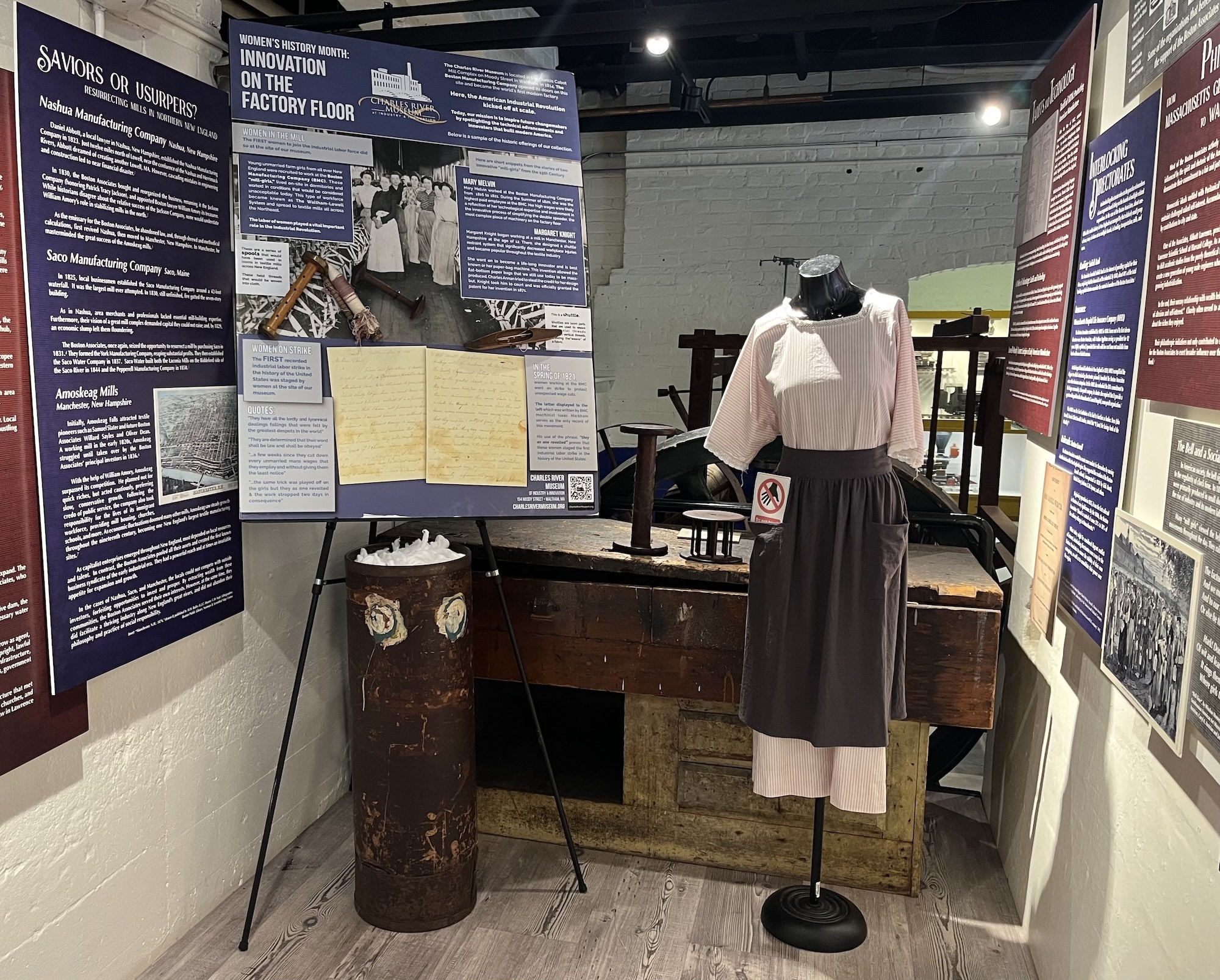
The women had no control over the rough conditions or pay. When managers decided to slash the salaries of all unmarried men and women working at BMC, only the women took a stand in 1821, in what became the first industrial labor strike in U.S. history, according to the museum.
BMC machinist Isaac Markham wrote about the situation in a May 30, 1821, letter stating that the mill owners “are determined their word shall be law and shall be obeyed. [It has been] a few weeks since they cut down every unmarried mans [sic] wages (except mine) that they employ and without giving them the least notice untill [sic] the day came for payment the same trick was played off on the girls but they as one revolted and the work stopped 2 days in consequence.”
Hallen said not many letters like Markham’s exist, so it’s difficult to understand the young women workers’ mindsets during this time. However, she said they demonstrated unprecedented bravery in taking a stand against a powerful system, especially considering U.S. women wouldn’t get the right to vote for almost another 100 years.
“They were incredibly important in the labor movement,” said Hallen.The Charles River Museum of Industry & Innovation is located at 154 Moody St., Waltham. Parking can be found at the public lot behind Embassy Theater at 42 Cooper St.. Take a short walk across a footbridge next to the lot’s lower level and follow signs to the museum. For more information, visit https://www.charlesrivermuseum.org/



Comments (0)
There are no comments on this article.