MGB Sports Medicine brings physical therapy to the community
Physical and occupational therapy are effective for reducing pain, improving balance and function, and speeding up recovery from injuries and surgery; Yet wait times can be as long as three to six months for people needing physical or occupational therapy, said Erica Rowden, a physical therapist in the outpatient physical therapy department at Mass General Brigham (MGB) Sports Medicine in Waltham.
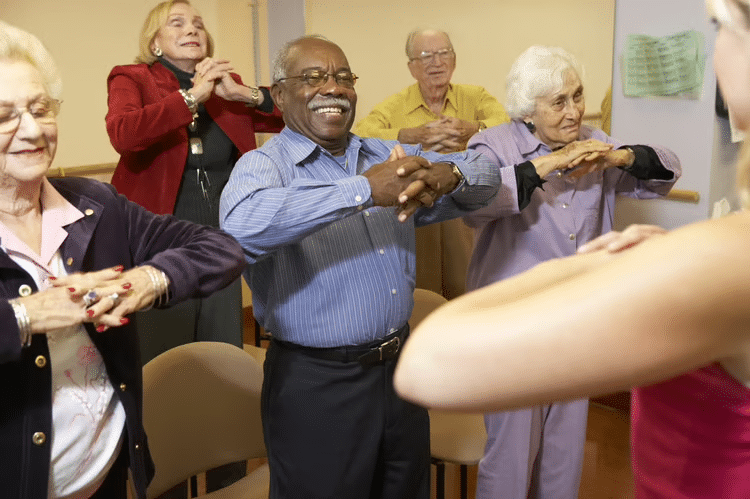
Rowden and her colleague Julia Langlois figured if people can’t get to therapy, they would bring therapy to the people. They are offering classes at Waltham’s Stanley Senior Center, the YMCA and several local fitness centers, making services accessible to the general public as well as to high schoolers and community members who lack transportation or insurance coverage for physical therapy.
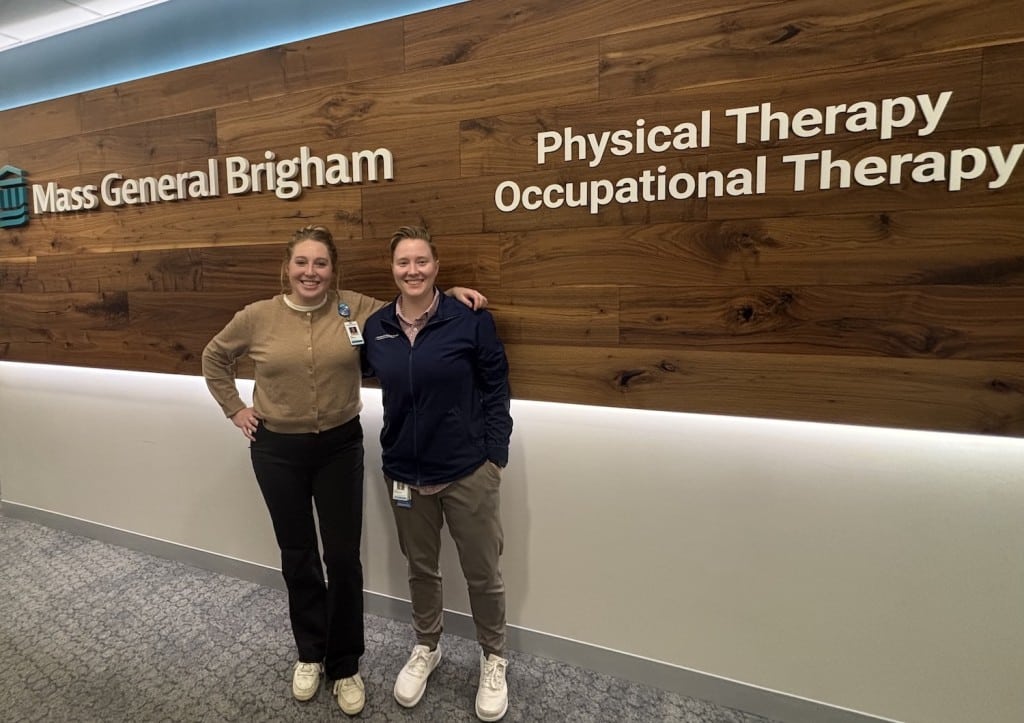
“Our goal is to alleviate patient demand and empower the community through education,” Rowden said. “We’re also training gym staff and high school coaches to support student-athletes and prevent injuries before they happen.”
At the Waverly Oaks Athletic Club, which hosted Rowden’s training program, “The staff were very impressed and excited with what they learned,” said fitness director Jon Mack. “It has led to some great discussions among the trainers and some great takeaways that they have been using with their clients.”
Rowden would like to bring classes on youth injury prevention and concussion to Waltham High School and McDevitt and Kennedy middle schools. Her aim is to educate fitness staff, coaches, athletes and parents. “That would be our goal for this upcoming year,” she said, “to be able to offer [these courses] for free.”
“I’m so proud of how far this program has come,” Rowden said. Since the program’s launch in 2023, “we have now reached well over 2000 people in the community, with several directors asking for more courses and more dates. It’s been inspiring to watch the community embrace it and benefit in such meaningful ways.”
Class dates and locations
Classes are offered at the Waltham Council on Aging Stanley Senior Center and the YMCA in Waltham. Additional classes are available at the YMCA in Newton and the Lexington Community Center. Here are the confirmed dates. Rowden said she hopes to add more dates in the winter.
At the Waltham Council on Aging (Stanley Senior Center)
The Importance of Ongoing Therapeutic Exercise After Stroke
Oct. 9, 2025, 1 to 2 p.m.
In this workshop Mass General Brigham physical therapists will educate on why exercise is an important part of the recovery process when one has experienced a stroke. This talk will focus on what the research says about why exercise is important and what kinds of exercise are beneficial to improve one’s day-to-day function.
At YMCA Waltham
Fall Risk and Gait Training
Oct. 15, 10 to 11 a.m.
Physical therapists will be presenting neurological conditions that can influence falls, as well as exercises and fall prevention tips. These therapists will address factors that may cause a fall and safe ways to test them. Therapists will discuss aging norms, treatments and resources.
How to Stay “Hand Healthy”
Nov. 19, 10 to 11 a.m.
Occupational therapists who specialize in hand and wrist function will educate on common diagnoses, symptoms, and therapeutic interventions as well as adaptive equipment. Therapists will further discuss resources and treatment recommendations for hand and wrist conditions.
Know your Pelvic Floor
Dec. 17, 10 to 11 a.m.
Unlocking the benefits of pelvic floor exercise and healthy bowel and bladder habits with MGH’s pelvic floor physical therapist. Learn why it is important to have healthy bowel and bladder habits. We will also talk about the correct way to perform pelvic floor contraction (Kegel) to help with urinary and bowel control.
Living Well with Parkinson’s Disease
Jan. 21, 10 to 11 a.m.
One of the keys to living well with Parkinson’s disease is to exercise and to avoid falls. This talk will focus on evidence-based updates and expert recommendations regarding exercise, balance and fall prevention for people with Parkinson’s and other movement disorders. Exercise is particularly important as it may help to slow down disease progression and improve motor function.
Low back Pain and Posture
Feb. 18, 10 to 11 a.m.
This workshop will educate on the components of good posture and a healthy lower back. The therapist will discuss the causes and types of low back pain as well as topics for improving back pain and prevention of lower back pain.
Managing Mental Health Symptoms in a Neurological Population
March 18, 10 to 11 a.m.
This talk will discuss the overlap between neurologic disorders and mental health conditions such as depression and anxiety. It will explore common presentations of these mental health symptoms in neurological conditions and their frequency. We will identify ways to increase awareness of these common conditions, how to advocate for yourself and what treatment may look like. Additionally, we will address trauma-related care and how that applies to you as a patient.
Neuropathy
April 15, 10 to 11 a.m.
In this workshop physical therapists will educate on the sensation changes encompassed with the diagnosis of neuropathy. Therapists will discuss the effects of balance, strength, and mobility as well as tips for functionality and avenues of care.
Training for Strong Bones
May 20, 10 to 11 a.m.
Can bones grow stronger? Yes! Physical therapists will describe the foundations of bone physiology, fundamentals of strength training, exercise selection and extremity programming. Seasoned therapists will offer exercise recommendations for cardiovascular exercise and balance exercises as well.
The importance of ongoing therapeutic exercise/staying active when living with a brain injury due to stroke
June 17, 10 to 11 a.m.
Exercise is an important part of the recovery process when one has experienced a stroke. This talk will focus on what the research says about why exercise is important and what kinds of exercise are beneficial to improve one’s day-to-day function.
Author