
Public Works Committee hears Waltham Land Trust testimony on Hardy Pond fishing resolution
Concerns about the health of Hardy Pond put a pause on a city councilor’s resolution to stock the pond with freshwater fish.
The pause in action came Monday, as the City Council’s Public Works and Public Safety Committee heard testimony from Waltham Land Trust volunteer steward Betty MacKenzie during its meeting, and committee chair and Councilor-at-Large Councilor Randall J. LeBlanc took his fishing resolution off the table.
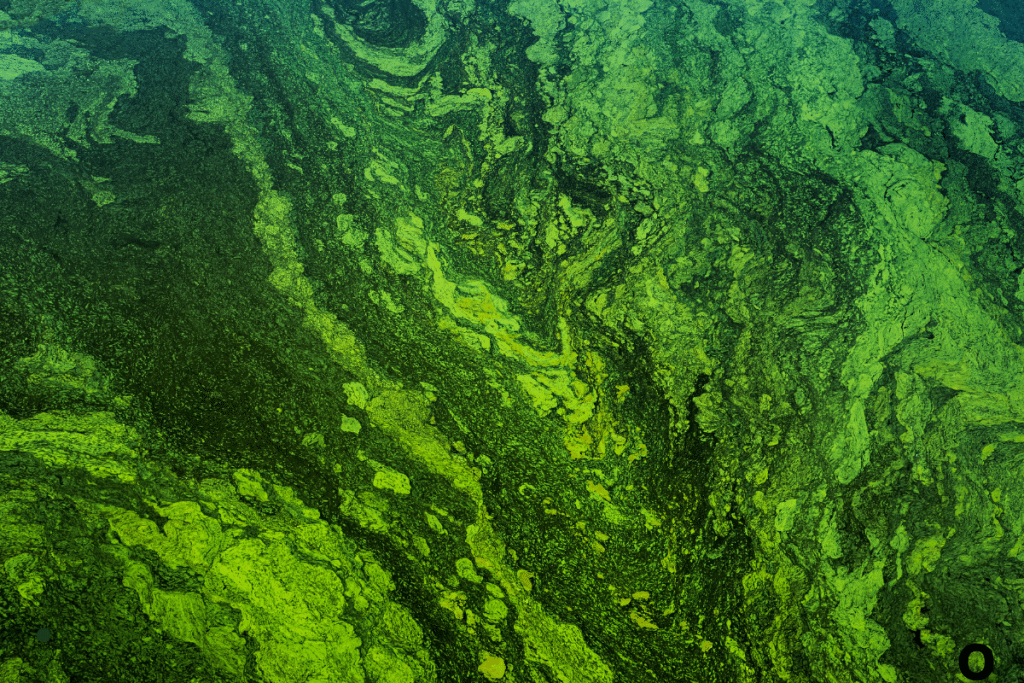
After he introduced the resolution, LeBlanc became aware that Hardy Pond’s health — and specifically its recent cyanobacterial harmful algal blooms, or cyanoHABs — could complicate plans to stock the pond with fish for recreational fishing. He had invited the Waltham Land Trust, which owns Hardy Pond’s Lakeview Preserve, to provide more information to the committee before it took action on the plan.
The fishing resolution, introduced in May and co-sponsored by several other councilors, calls on the city to “identify appropriate water bodies for stocking [freshwater fish]; ensure ecological compatibility and sustainability of introduced species; establish guidelines and signage to promote safe, catch-and-release practices; [and] explore funding opportunities through grants, state programs, or local initiatives.”
MacKenzie told committee members that the city needed a long-term, holistic plan for making Hardy Pond healthy for fishing and other recreation again.
She said the WLT has three primary recommendations:
- Remediate Hardy Pond by reducing phosphorus flow into the water body and controlling cyanoHABS.
- Evaluate the need for stocking Hardy Pond with freshwater fish only after it has been remediated.
- Improve Hardy Pond infrastructure, including parking, signage, fishing access and waste management.
“Fishing is a valued form of recreation in our community, [but] boosting recreation without proper planning could worsen existing problems,” MacKenzie said.
MacKenzie pointed out that state testing last November showed cyanoHAB levels nearly three times the safe limit and in June deemed the pond unsafe for contact by people and pets.
“Our volunteers and the Charles River Watershed Association have been testing every two weeks since July and almost all results have been well above safety standards,” she said.
Some types of cyanobacteria create toxins, which pose hazards such as rashes and breathing problems to people, pets and wildlife. MacKenzie said pets can die if they ingest the toxins.
She said the WLT is working with the city’s Public Works Department to determine how phosphorus, as well as water-warming patterns associated with climate change, impact Hardy Pond’s cyanoHABs levels. She said the goal is to better understand the sources of the phosphorus and how to mitigate its impact on the pond.
Addressing the health needs of Hardy Pond faces some challenges, said Ward 2 Councilor Caren Dunn. She specifically cited the difficulty of coordinating the many city, state and nonprofit agencies who must work together on the project and who will take charge. “What’s the plan?” she asked.
MacKenzie said the entities have been working separately in many ways on this public health concern, with WLT and the Charles River Watershed Association collaborating on water testing while the city and state focused on alerting residents to news about the pond.
MacKenzie said the WLT supports more interagency collaboration.
Waltham Public Works Director Michael Chiasson, meanwhile, is working to develop a plan for the City to conduct its own water monitoring program at Hardy Pond.
MacKenzie also told committee members that stocking Hardy Pond may not be needed, advising that the city evaluate what fish species exist in the pond after remediation work is completed.
“Some of what we heard is that fishing is quite good [at Hardy Pond], so maybe we don’t need to stock it,” she added.
Share anonymous news tips
You can leave a news tip anonymously, but if you would like us to follow up with you, please include your contact information
Author

Comments (1)
Comments are closed.



Other cities and towns have experimented with floating gardens to reduce pollutants and algae. Perhaps that’s an option for Hardy Pond. I’ve caught largemouth bass in that pond in past years. Lots of sunfish. I doubt that any species like Trout would do well in Hardy Pond, if stocked. The water temps are likely too warm because it’s shallow. Massachusetts Division of Fisheries and Wildlife would be the best source to consult re stocking.