Photos by Kathy Tarantola
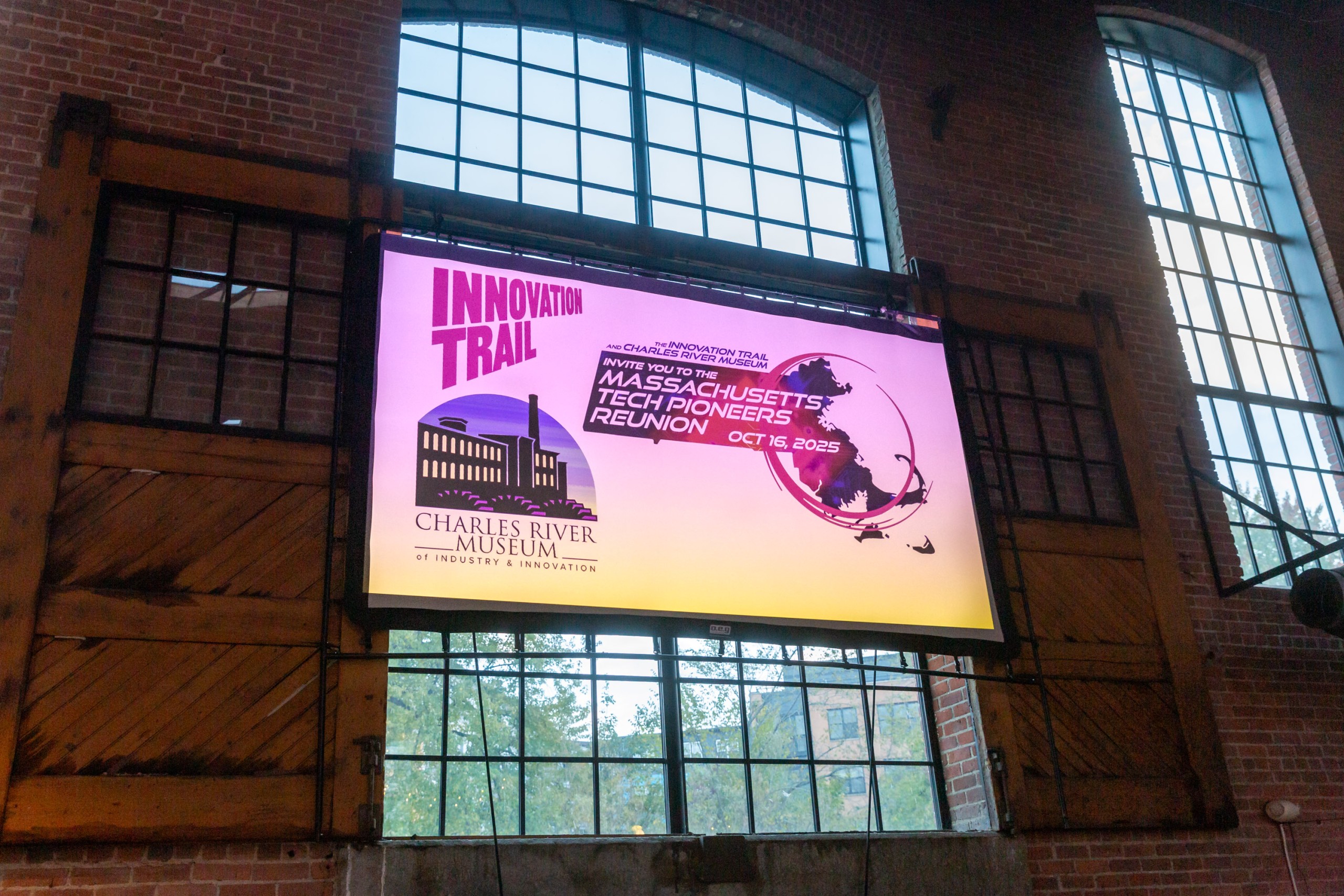
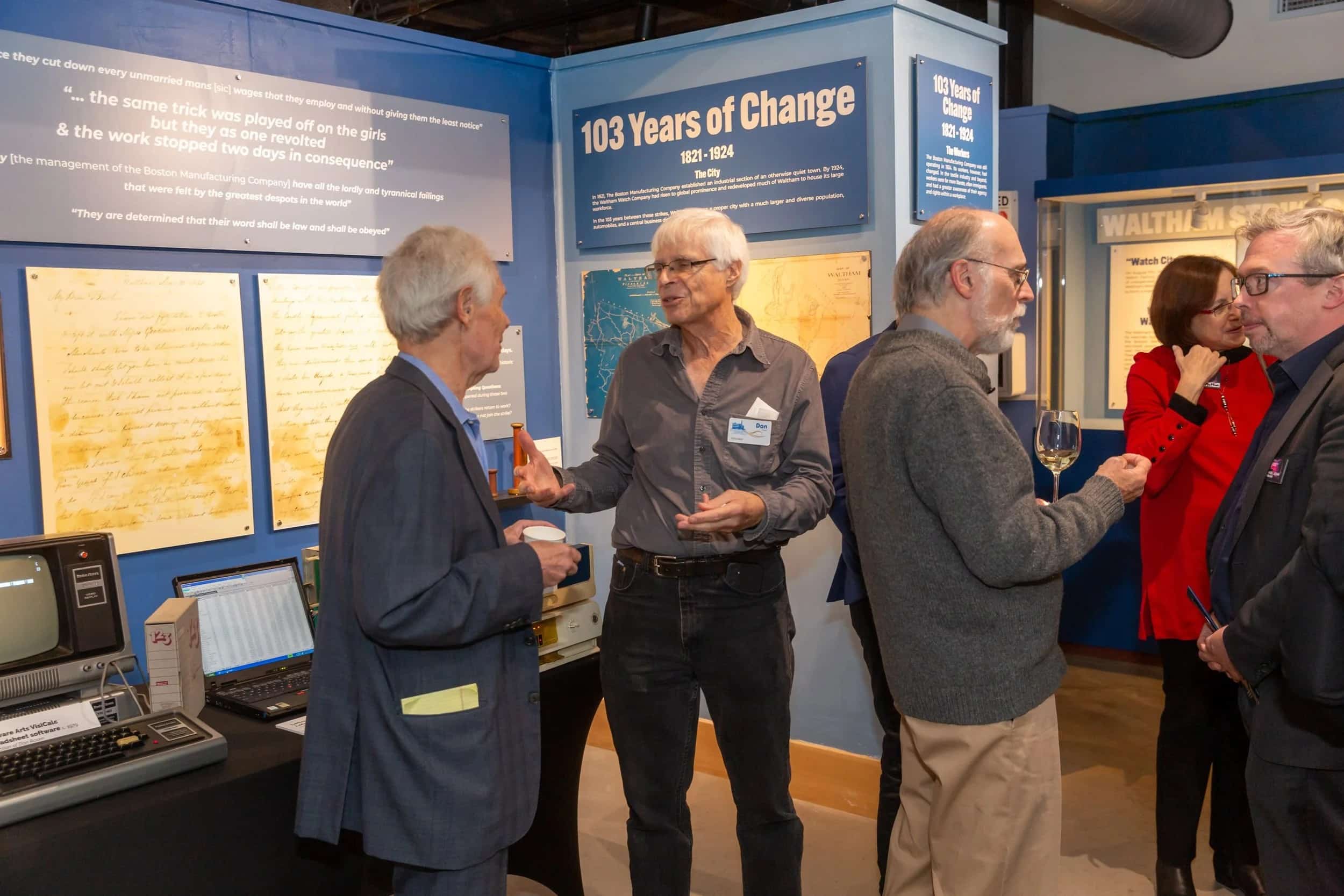
The Charles River Museum of Industry & Innovation houses a treasure trove of historic artifacts like machine shop equipment and mechanical watches. But last Thursday night, the spotlight was on high-tech pioneers who built iconic companies from the 1960s into the 2000s.
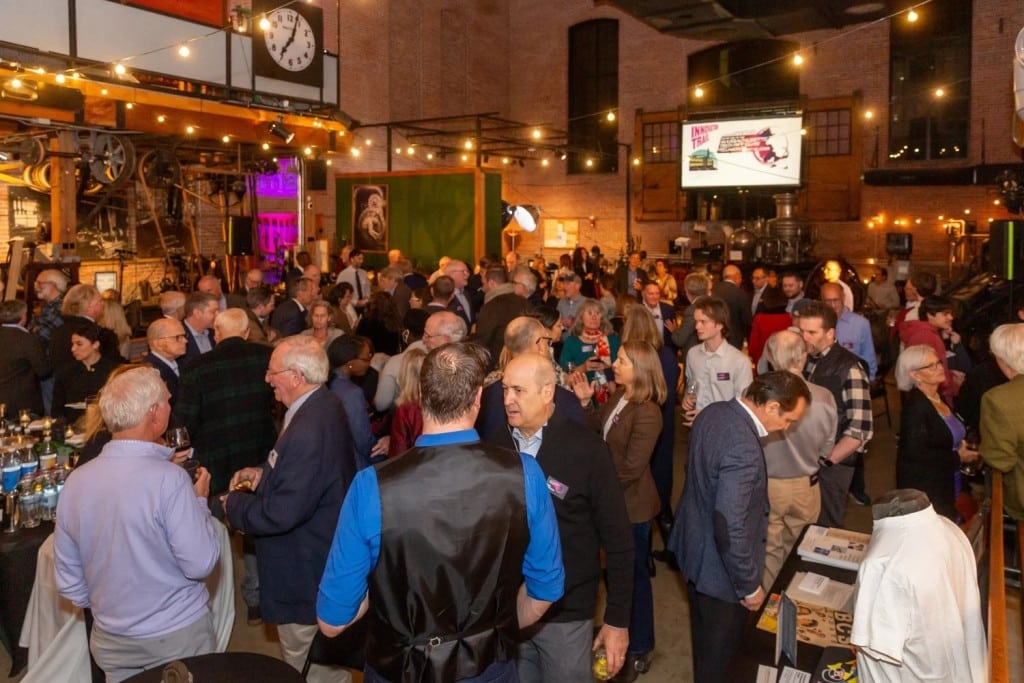
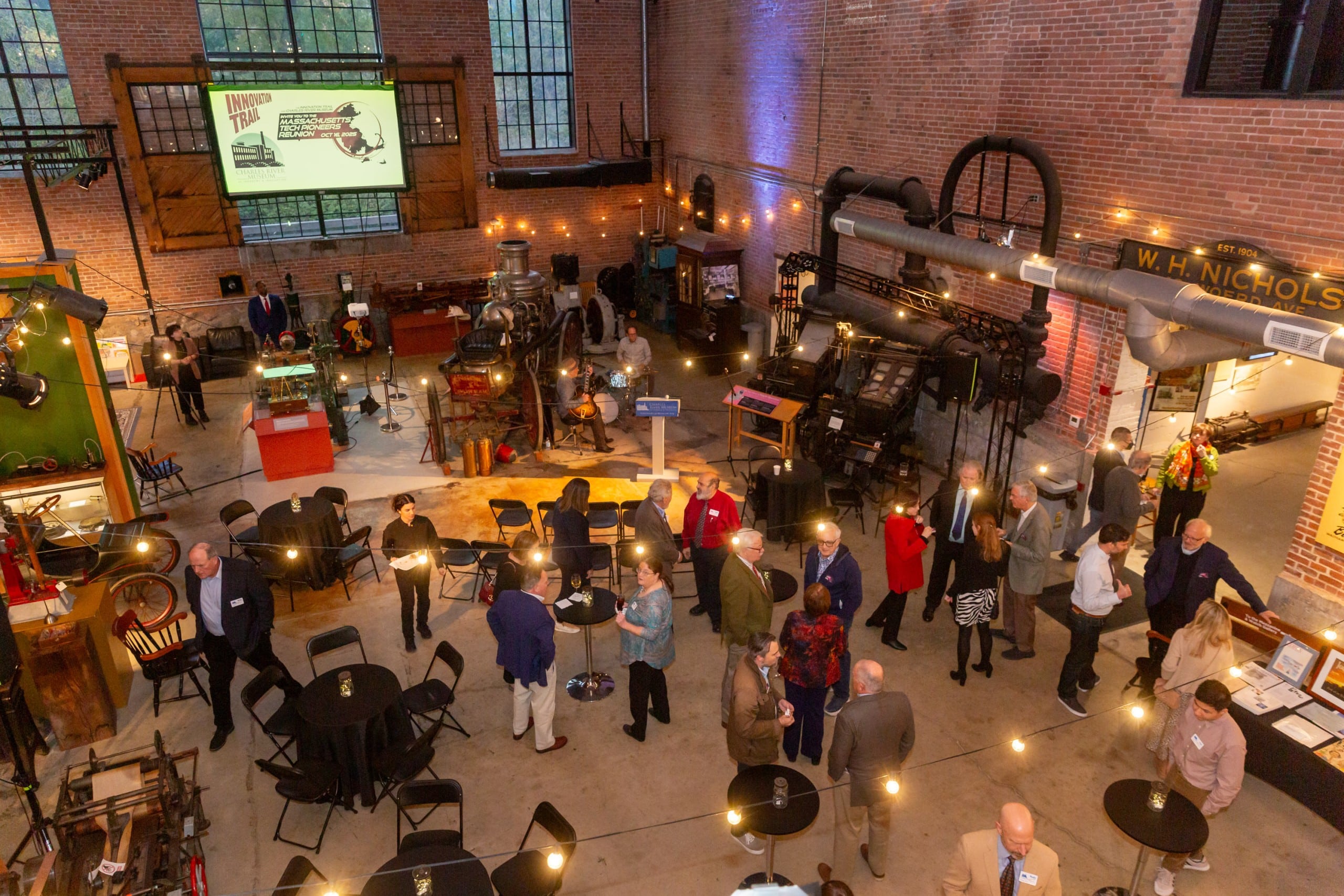
The museum and The Innovation Trail hosted what it described as a “once in a lifetime reunion of leaders and innovators who helped build the Mass tech economy.” The event featured academic and industry luminaries who invented computer spreadsheets, Ethernet technology, Roomba robotic vacuums and more.
“You’ll never find this group of people together,” said Sherwin Greenblatt, long-time president of Bose Corporation, the maker of home audio systems and speakers.
“It’s like a class reunion — I know most of the people,” said Bill Poduska, co-founder of Prime Computer. The company developed minicomputers “the size of a small fridge,” which he deemed “nearly as powerful” as the room full of computers that had previously been used.
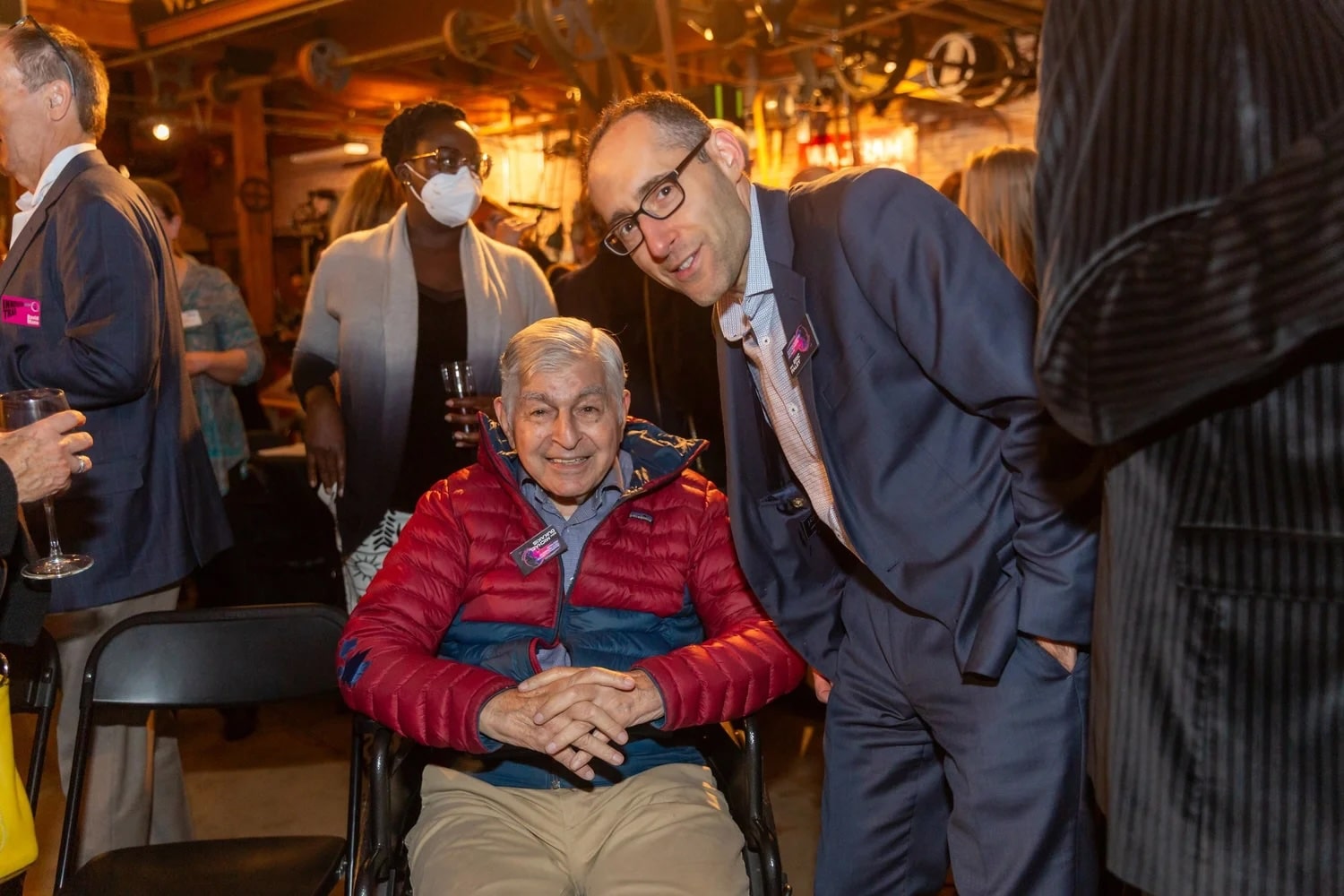
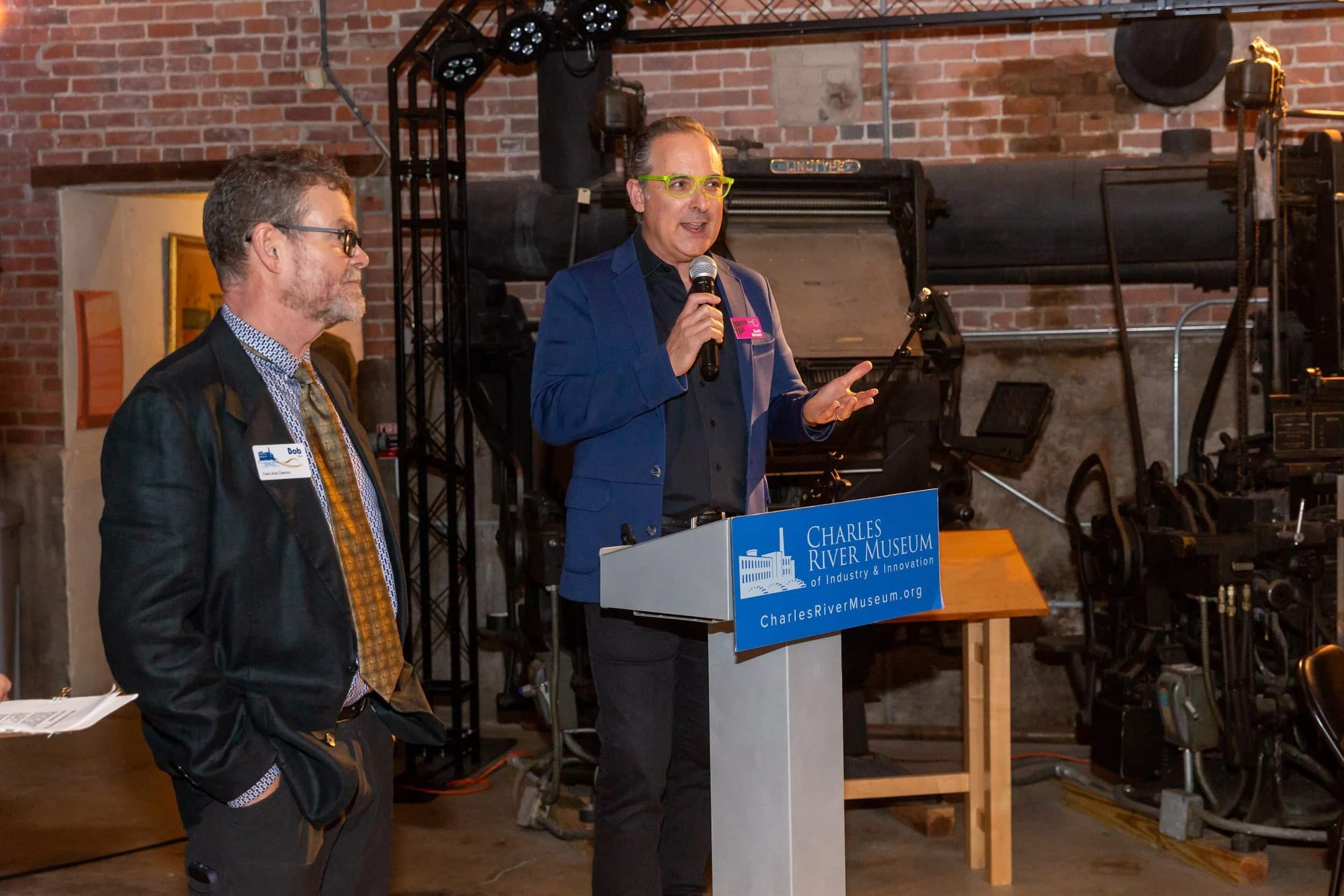
Greenblatt and Poduska were two of over a dozen high-tech pioneers honored at the gathering, which had 120-plus attendees, including former Massachusetts governor Michael Dukakis. The event reflects Charles River Museum’s expanding focus on innovations up through the 21st century, and most importantly, the real-life stories behind these advances.
“What we’re embracing is, it’s about the people,” said Bob Perry, the museum’s executive director. “Machines don’t innovate, people do. It’s more about the problem that needs a solution.”
Solving challenges with technology
For one of the event honorees, the problem was clear: a dirty apartment floor. “I wanted it to be clean, but I didn’t want to clean it,” Joe Jones said with a smile.
Jones’ vision for “a little robot that cleans floors” took over a decade and multiple iterations to come to life. Early prototype names included Rug Warrior and RoboBroom.
At iRobot, he invented the iconic Roomba, ushering in a new consumer product category – robotic vacuums. According to its website, iRobot estimates users ran nearly 25 million “cleaning missions” last year alone.
For Greenblatt, he and his MIT professor Amar Bose loved listening to classical music together at Boston Symphony Hall. When Greenblatt returned home, he recalled, “I went from hearing the best sound to it sounding like crap.”
He said his goal for Bose Corporation was to “listen to the same sounds in the dorms as in Symphony Hall. This was the basis of the company.”
Waltham’s leading role
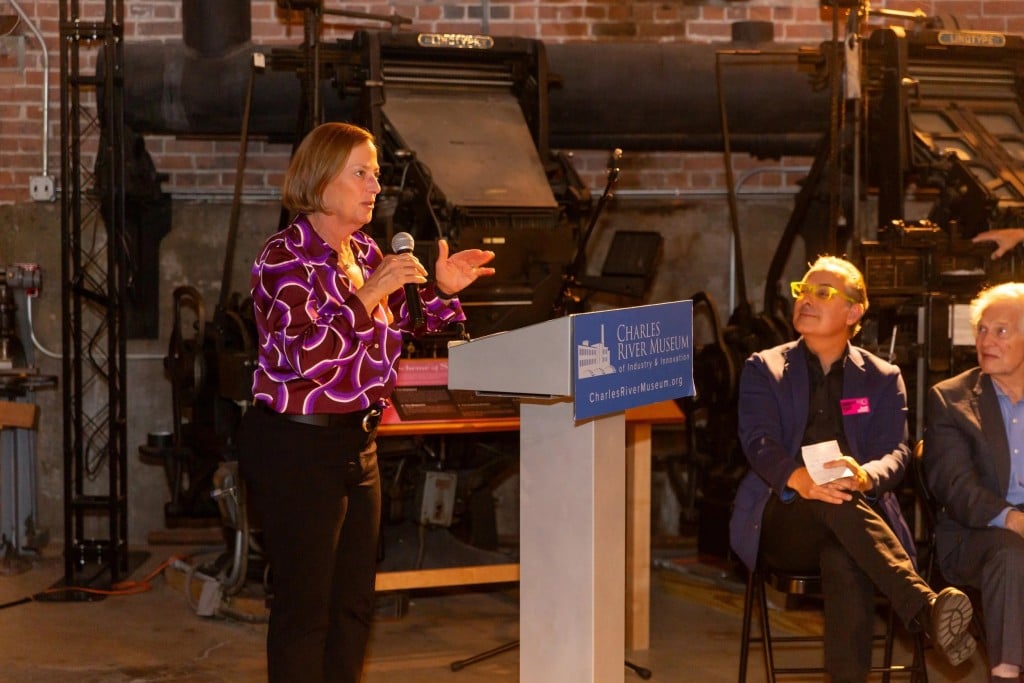
Several honorees founded or led Waltham-based companies, including Gail Goodman, longtime CEO of the online marketing company Constant Contact. A featured event speaker, Goodman praised “a technology ecosystem that was deeply supportive” and “a deep talent pool” around the city.
“High tech is a legacy of Waltham’s long history,” said Perry. “People come here to get a really good job, and this is centuries old and persisting.”
Perry sees this legacy continuing, and points to Thermo Fisher Scientific as one of many major companies headquartered in Waltham.
“Waltham keeps making news, now in biotech and life sciences,” he said.
From the industrial to the digital age
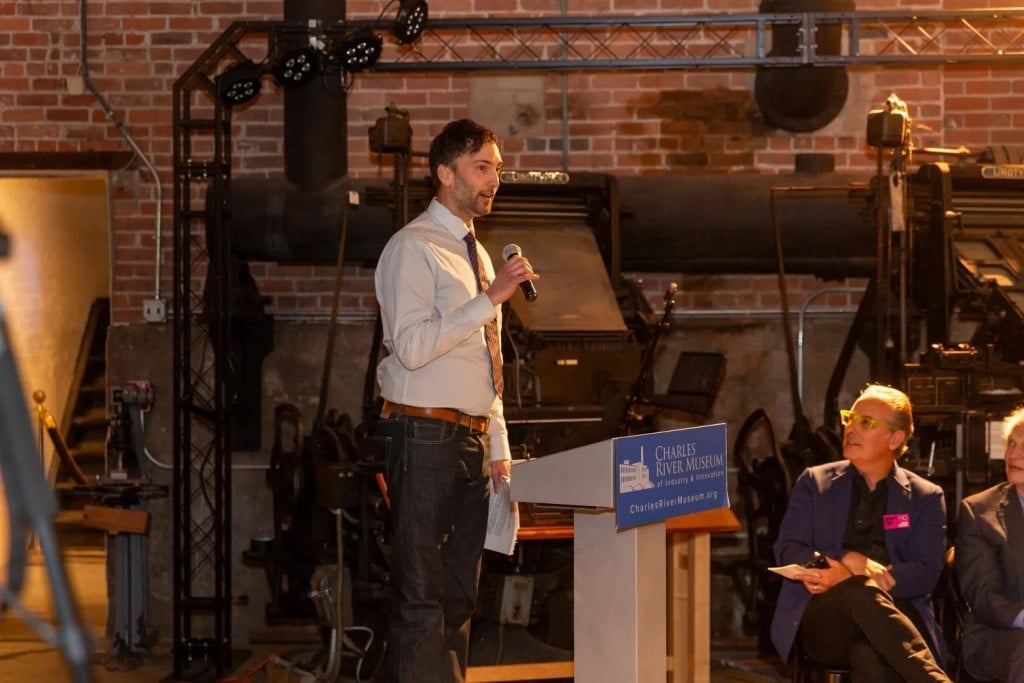
The Charles River Museum is collecting the stories behind more recent innovations through its ongoing Massachusetts Tech Pioneers Oral History Project. The goal is to compile interviews from high-tech luminaries that have been shaping future progress.
“Part of our work is to collect and generate original scholarship,” said Steve Guerriero, the museum’s director of education. “We’re just getting started to tell the story of 200 years of innovation.”
The museum’s broad ambitions — highlighting breakthroughs up through the digital age — is rooted in the aspirations of its original executive director, Michael Folsom. His initial vision was for computers and robotics to be one of the museum’s key pillars of focus.
“We’re picking up the mantle and tonight was a part of that, of bringing it to the museum — the pinnacle breakthroughs and achievements that have persistent value in our lives,” said Perry.
The Charles River Museum of Industry & Innovation is located at 154 Moody St., Waltham. Parking can be found at the public lot behind Embassy Theater at 42 Cooper St. Take a short walk across a footbridge next to the lot’s lower level and follow signs to the museum. For more information, visit the museum’s website.
Author