
GradBnB property owners appeal Zoning Board’s September lodging house decision
The owner of eight rental properties is appealing a September Zoning Board of Appeals decision that determined the properties to be illegal lodging houses.
The owner’s appeal describes the eight properties as rental housing for groups of “young professionals and graduate students.” A company called GradBnB matches tenants together as roommates and has been assigning tenants to some of these properties since 2018.
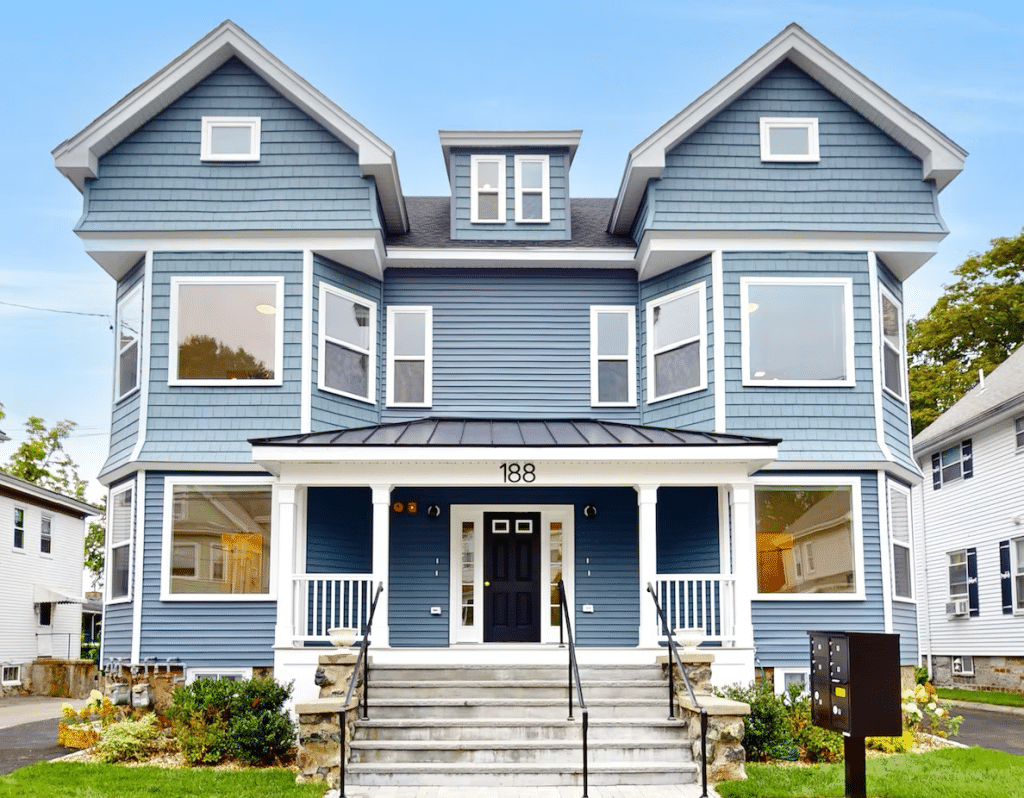
GradBnB is operated by David Schwartz, who court filings name as the owner of two of the houses in question — one of them in his capacity as a trustee of East Bank Realty Trust — and who operates companies that own the other six properties.
Schwartz’s appeal comes after a year of city action regarding the properties.
In November 2024 the city’s building inspector, Brian Bower, filed cease-and-desist notices on the grounds that the properties were operating as lodging houses in areas where the city’s zoning code doesn’t permit such a use.
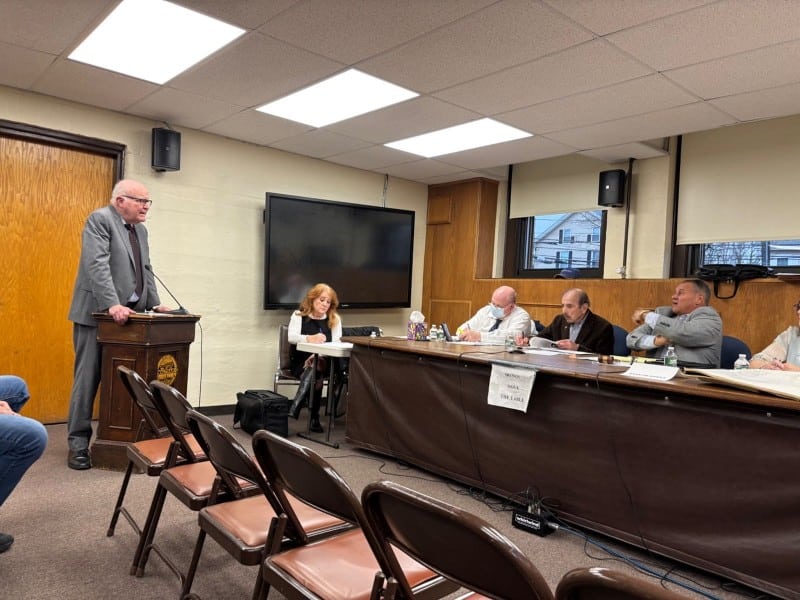
The ZBA then heard the case in early June and held a public hearing in July. The ZBA on Sept. 30 ruled 4–1 to support Bower’s judgment.
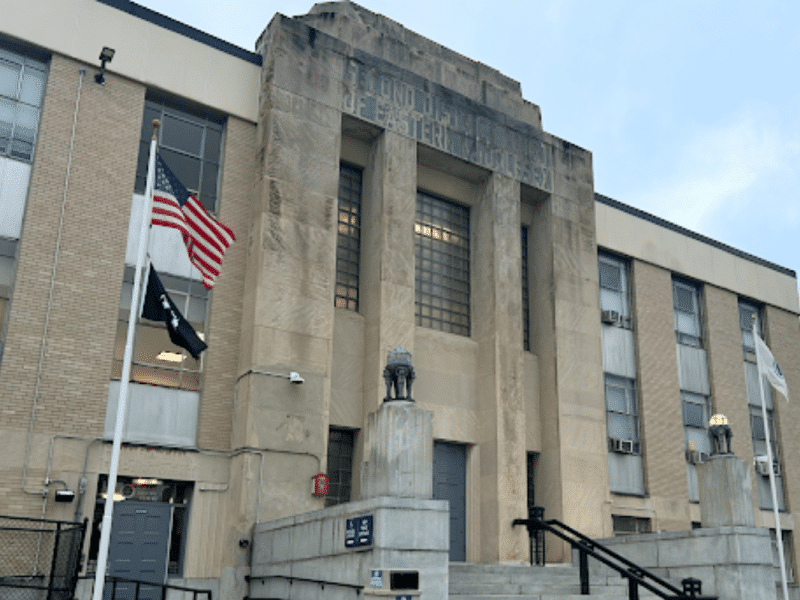
Schwartz’s legal team on Oct. 28 filed an appeal of the ZBA’s determination in the state’s land court. The appeal names the City of Waltham, Bower, the ZBA and each ZBA member that sat on the case as defendants.
Michael A. Kelly and Sean P. Klammer of the Providence firm Kelly, Souza, Parmenter and Resnick, PC are representing Schwartz and his companies that own the properties.
Bernadette Dunn Sewell and Parker L. Williams of the Waltham Law Department are representing the city and ZBA.
The appeal states that the ZBA’s decision has caused more than a million dollars in damages to Schwartz’s companies. The plaintiff is looking for the land court to annul the ZBA’s decision and is seeking payment of its court costs from the City of Waltham.
The two parties will continue litigating the appeal in a case management conference scheduled for Dec. 22.
What the appeal contains
The ZBA hearings centered on how to interpret the city’s definition of a lodging house, which its zoning code defines as locations where “rooms are rented to four or more persons not within the second degree of kindred to the owner.”
Kelly, one of Schwartz’s lawyers, argued that the properties better fit the definition of multifamily homes under the city’s definition of a family as a “bona fide single housekeeping unit.” He said that if the ZBA ruled in favor of classifying the properties as a lodging house, it would endanger roommate rights in the city, citing the 2013 Massachusetts Supreme Court decision in the case of the City of Worcester v. College Hill Props., LLC.
City Solicitor Katherine Laughman, who represented Bower at the hearings, argued that the code is instead designed to regulate planning issues around residential density and safety and that these properties qualify as lodging houses under the zoning definition.
The appeal reiterates Kelly’s case and also repeats objections he made to Laughman speaking on behalf of Bower at the ZBA hearings. The appeal argues that Laughman speaking on behalf of Bower was a conflict of interest in light of the fact that members of Laughman’s office, the City Solicitor’s Office, also represent the ZBA.
In an email statement to The Waltham Times, Schwartz characterized Laughman’s presentation to the board on Bower’s behalf as “hearsay testimony.”
“As you know, the ZBA exists to act as an independent body whose sole purpose is to interpret the zoning code. We all witnessed that independence compromised firsthand,” wrote Schwartz in his email.
The appeal similarly references ZBA member Matthew Deveaux’s motion at the July hearing to “seek the advice of the city solicitor in helping us interpret all the information we have received.”
Kelly objected to this motion in person at the hearing and in an email to the board, based on the fact that Laughman was also representing Bower. Laughman eventually answered the questions in an email to the board but clarified that she was answering as Bower’s representative. At her suggestion, the board sent the same questions to Kelly.
The appeal also argues that the ZBA did not give “any reason whatsoever” for its decision.
Furthermore, the appeal document includes ZBA’s formal decision as an appendix, which points to evidence Laughman presented at the hearings, arguing it “[establishes] a pattern of individualized occupancy and transient tenancy consistent with a commercial lodging house operation… rather than a cohesive household.”
The City of Waltham Law Department, the ZBA and the building inspector did not provide comment before the article went to publication. Neither Schwartz nor his team responded to questions clarifying the language in the appeal before the publication deadline.
Author

Comments (1)
Comments are closed.
Blah blah blah.
I hope the owner wins the right to do with his property.
Waltham needs housing.
And since they are NOT providing it…