Waltham migraine advocate takes fight to Capitol Hill
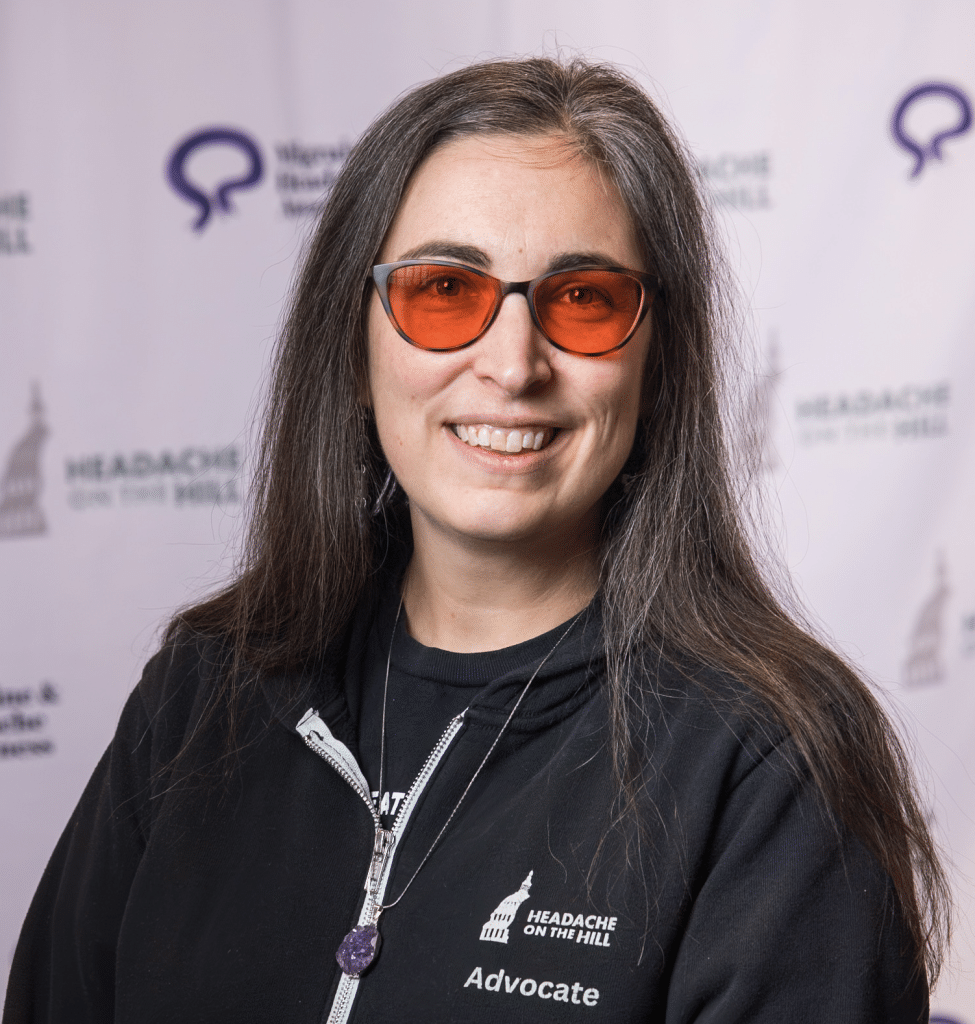
Lisa Benson of Waltham traveled to Washington, D.C., on Feb. 10 to urge members of the Massachusetts congressional delegation to back federal bills that would improve care for people living with migraine and other headache disorders.
Benson, who serves as Massachusetts team captain for the Alliance for Headache Disorders Advocacy, joined more than 300 advocates from across the country for Headache on the Hill, a biannual event that brings patients, caregivers and clinicians to Capitol Hill. Over two days, advocates took part in nearly 300 meetings with congressional offices to describe how headache diseases affect families, workplaces and local communities.
In meetings with the offices of Sens. Elizabeth Warren and Edward Markey and Reps. Katherine Clark, Jim McGovern, Stephen Lynch, Ayanna Pressley and others, Benson shared her experience of living with debilitating migraine attacks since her 20s and developing chronic migraines — at least 15 headache days a month — by age 28. She said years spent alone in dark rooms, missing family events and hobbies, now fuel her advocacy on behalf of others with the disease.
“Living with a headache disorder isn’t just about pain. It affects my ability to work, care for my family and fully participate in my community,” Benson said. “Being in Washington and meeting face-to-face with lawmakers was empowering.”
Advocates asked lawmakers to cosponsor the bipartisan Headache Act, which would create a national strategy at the U.S. Department of Health and Human Services to coordinate headache research, improve access to specialty care and address stigma surrounding these conditions. They also urged support for the Safe Step Act, a bill that would put guardrails on insurance “step therapy” rules that can force patients to try and fail on cheaper drugs before receiving the treatment their doctors recommend.
Benson and other advocates also pressed for passage of the Connect for Health Act, which would make permanent many of the telehealth flexibilities adopted during the COVID-19 pandemic and expand access to remote care for patients who struggle to find headache specialists.

Author