
Historical hedge maze replica project a surprise to Waltham community
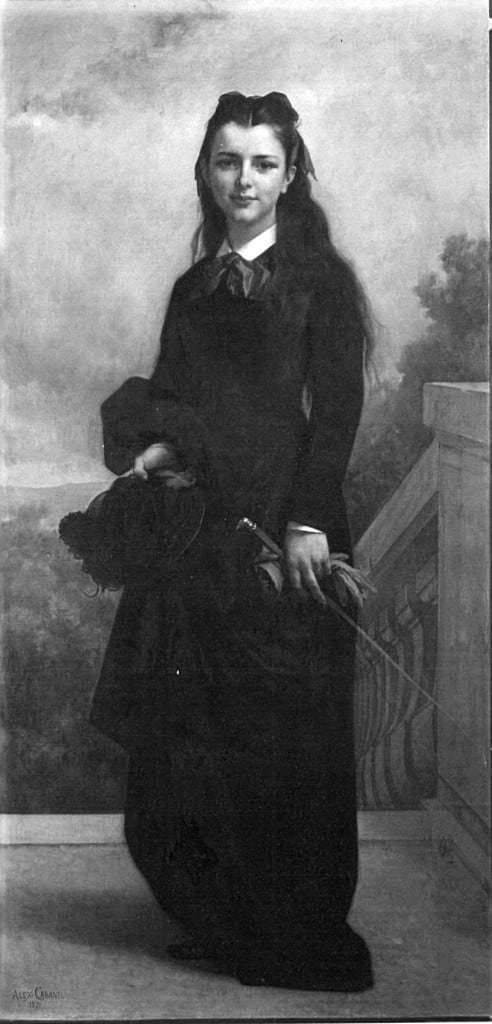
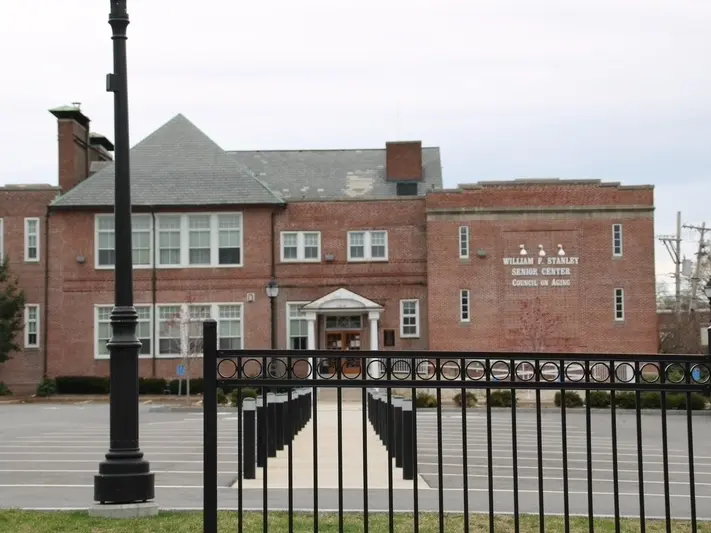
A replica of a hedge maze formerly located at Cornelia Warren’s Cedar Hill property is set to be installed this April at 240 Beaver St. While there have been rumors and brief discussion of a potential maze in the past, the project has not been mentioned in any recent public meetings.
According to Mayor Jeanette A. McCarthy, the maze project was discussed last year in a closed budget meeting with the Department of Public Works. The project is using leftover money from last year’s DPW budget, and all research and design work was done in-house by DPW employees.
Raised garden beds for community use are planned to be placed in front of and behind the maze. Currently, DPW is waiting on estimates for a ten-foot fence to keep deer from eating the hedges. The planting portion of the project is slated to start on April 15.
A maze with history
The original maze sat at the front of Cedar Hill, a property previously owned by the prominent Warren family. Famed philanthropist Cornelia Warren was the last person to reside at the property. Cedar Hill now serves as the headquarters of Girl Scouts of Eastern Massachusetts and serves both as an archive and day camp center for the organization. Also located on the property is the Girl Scout Museum at Cedar Hill, which houses artifacts from both the Girl Scouts and the historical property.
The original hedge maze was itself a replica, designed after the maze at Hampton Court in England. While the maze would eventually bring hundreds of visitors, the project was not always beloved. According to Francine Edwards, co-founder of the Girl Scout Museum at Cedar Hill, Warren’s brothers thought the idea was a waste of time and money. Warren went ahead with the project anyway.
“People came from miles around to visit,” said Edwards of the maze. “Cornelia loved kids and wanted people to enjoy themselves.”
The maze was completed in 1896 and consisted of nearly 1,000 hedge shrubs that were five feet ten inches tall. Thousands visited the maze, with enough people getting lost in it to warrant building a wooden lookout tower from which one could spot wayward maze-goers to help guide them to the exit.
“Sixteen gardeners were employed full-time to take care of the maze,” said volunteer project manager for the museum Lynn Saunders Cutter. “That wasn’t sustainable when the property was turned over to the Girl Scouts.”
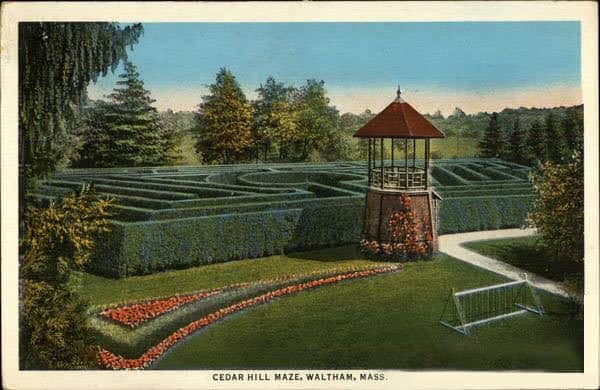
The maze was removed in 1962 because the upkeep was too much. Girl scouts built a replica of the maze out of wood in 1998 to celebrate the organization’s 75th anniversary.
Attempts were made by the Girl Scouts to raise funds to recreate the maze, but ultimately the money was used to plant trees and shrubs in the area where the original maze stood. In the location of the former maze stands a patio of bricks or a ‘brick garden’ laid out in the same pattern as the maze. In exchange for a donation, people can engrave a brick with a message of their choosing. The original benches that surrounded a fountain that stood at the middle of the maze are positioned near the brick garden.
The brick garden was designed by a landscape architect who donated her time to the property and did extensive research in the archives to inform the design. The Girl Scout Museum at Cedar Hill did not recall any DPW employees coming to look at the original plans and pictures of the maze and were surprised that the project was happening, but are excited for the maze to come to fruition.
Potential for privet problems
The Waltham Times received an anonymous tip from a reader who was concerned about the species of plant chosen for the project and its propensity to spread. The maze will be planted using 650 Ligustrum ovalifolium shrubs, commonly known as Korean privet. This species of shrub is classified as a potentially invasive species in Connecticut and Maine.
In Massachusetts, Ligustrum obtusifolium, commonly known as border privet, is the only privet hedge species that is illegal to plant. However, all types of privet have been known to escape the zone where they are being intentionally cultivated.
“Even if there wasn’t a significant risk that the species chosen for this project might eventually start to proliferate into adjacent natural areas, opting to plant a single, non-native shrub species that won’t add any ecological value to the site is a major lost opportunity,” said Grow Native Massachusetts operations director Meredith Gallogly in an email to The Waltham Times.
Gallogly said that she hopes that the city will consider filling potential gaps in the hedge with native plants in the future.
Author

Comments (0)
There are no comments on this article.