
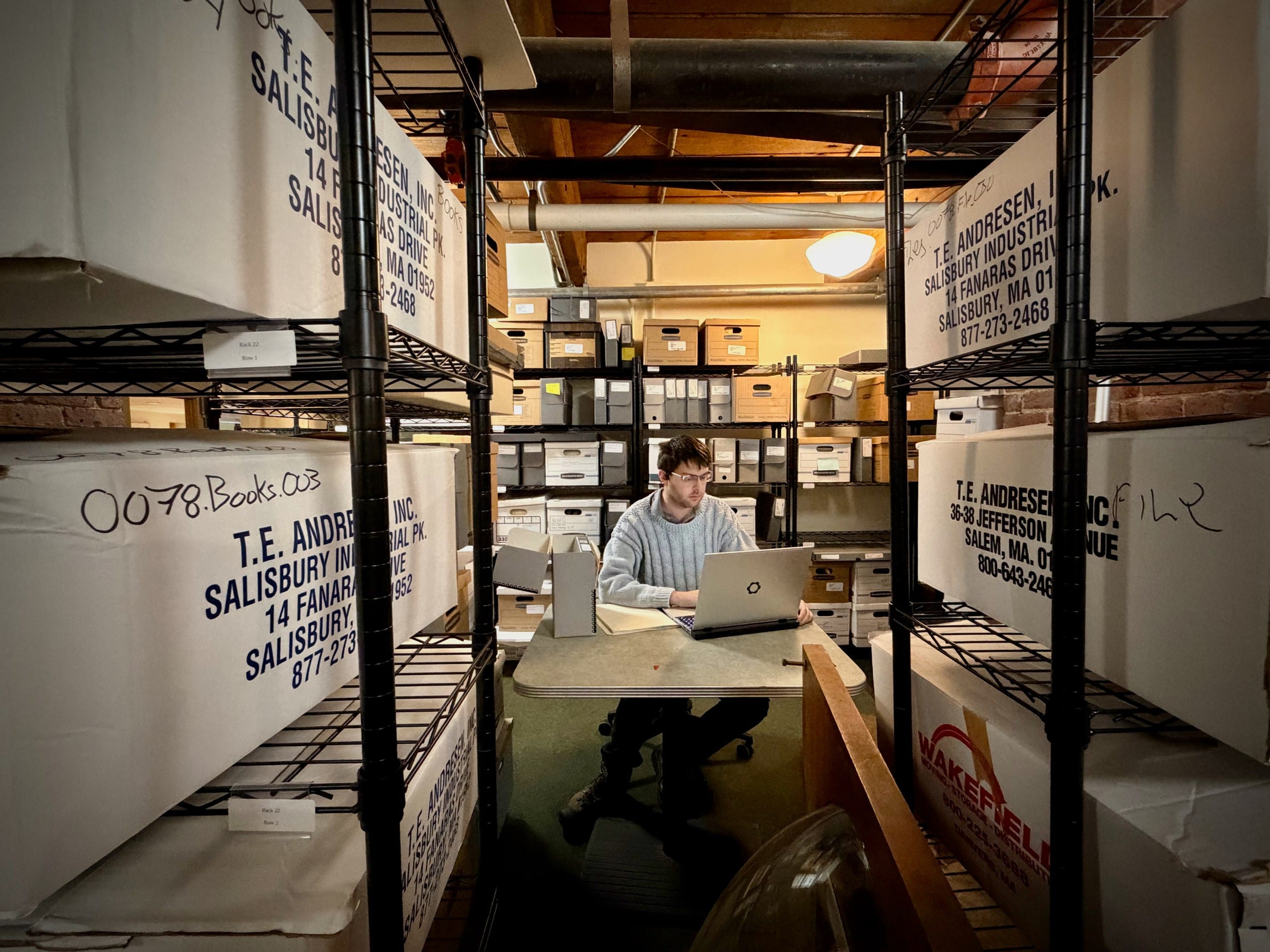
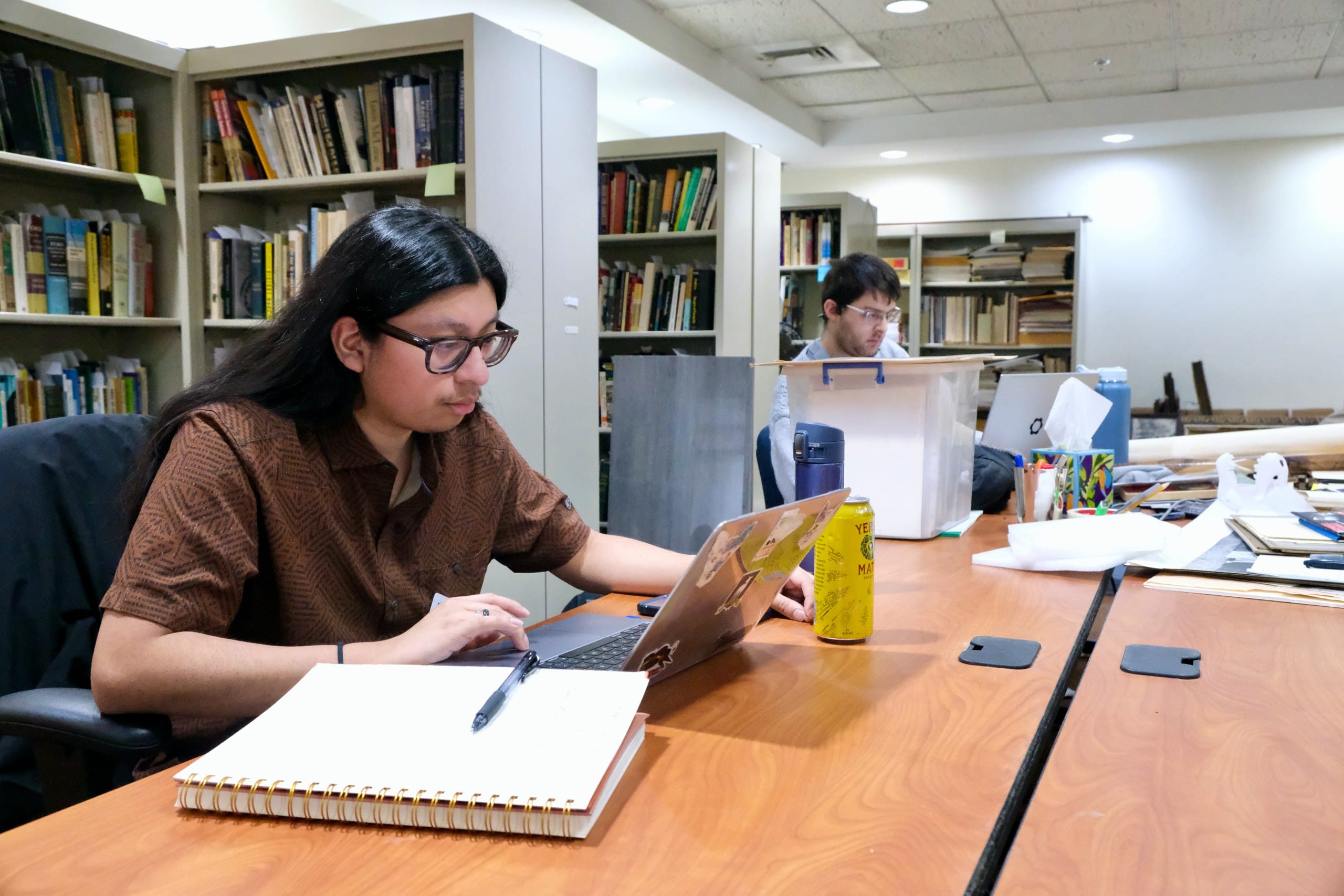
Last November the Charles River Museum of Industry & Innovation hosted a lecture about the Great Boston Fire of 1872. The event gave the intern Gabriel Hurdle, a college sophomore at Quinsigamond Community College, the opportunity to dig through the museum’s extensive archives and curate a display of firefighting equipment and photographs.
Among the exhibit’s highlights was a panoramic, 4-foot-wide black-and-white photograph of Waltham Fire Department staff and its newly motorized trucks. Event attendee Tisha Shaughnessy Sullivan, whose father and two uncles served as Waltham firefighters, was particularly moved.
“It was amazing. I’ve never seen anything like it,” said Shaughnessy Sullivan. “This was of great interest because of my family history.”
“It explains where her dad and uncles worked,” recounted Hurdle. “It shows what her dad did as a tillerman … the truck needed an extra person to turn it.”
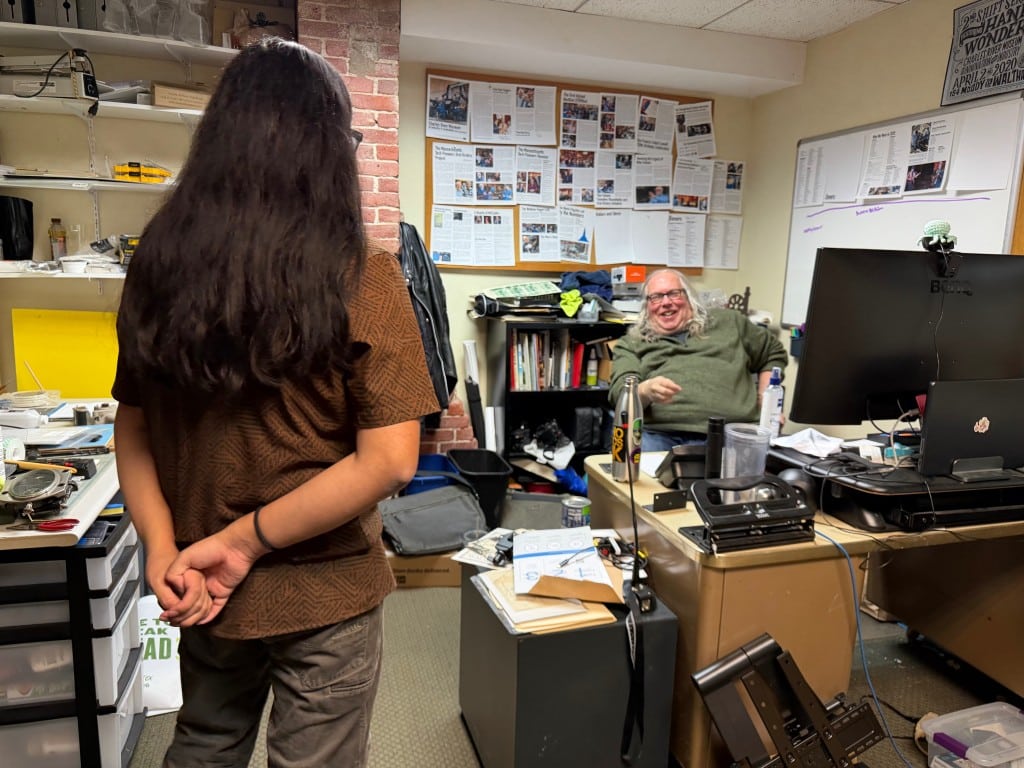
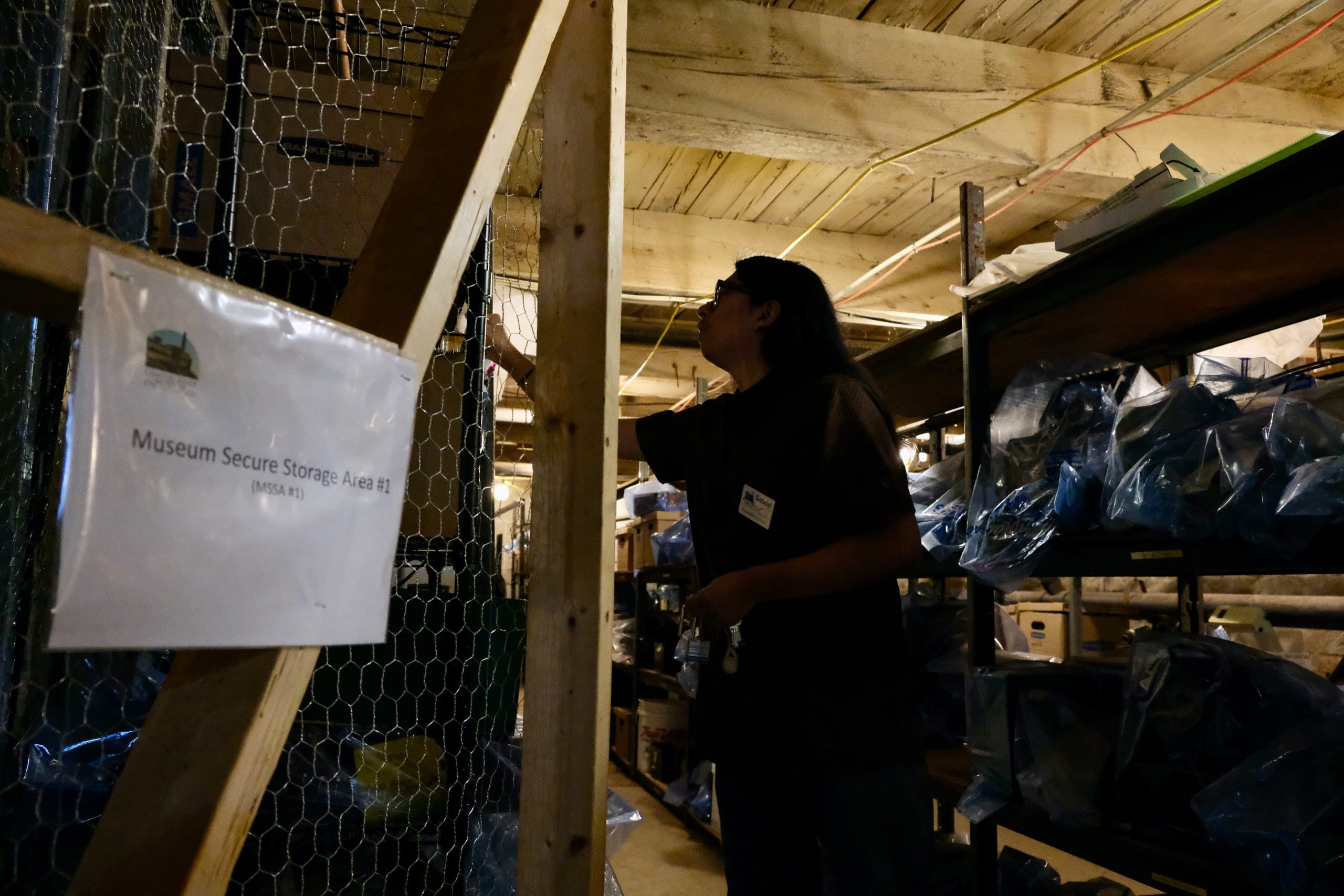
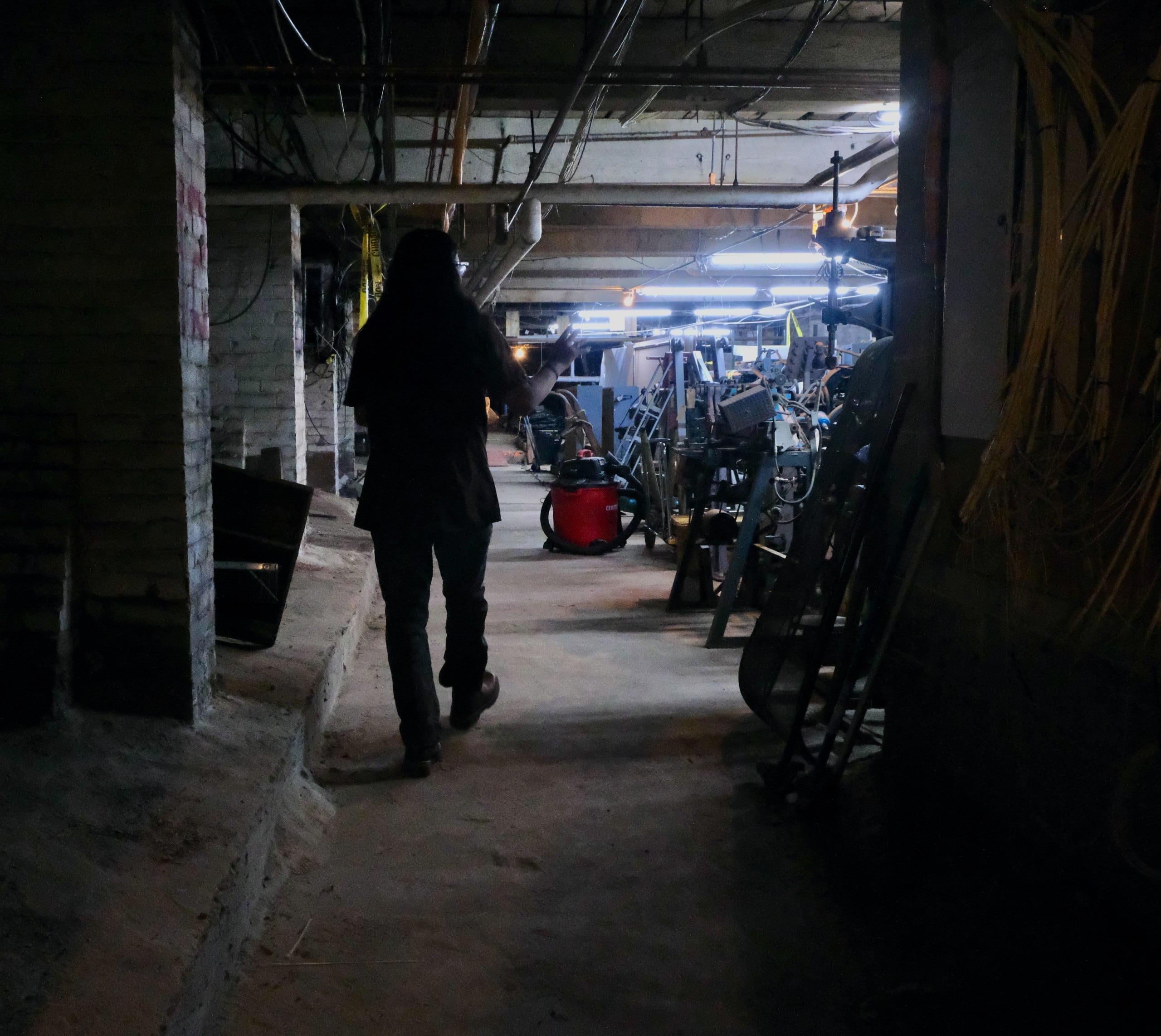
The experience underscores a key priority for the museum: making its diverse archives accessible to the public through educational events, new exhibits and, down the road, an online collection. To realize this vision, Hurdle and an expanding team of interns and volunteers are cataloguing the museum’s vast collection, currently stored in rows of boxes and cabinets deep inside it.
“Researchers and the public deserve access, and we need ways to efficiently process it,” explained Steve Guerriero, director of education at the Charles River Museum. “It’s not just the work Gabriel’s doing. It’s teaching and mentoring new volunteers. That’s also a force multiplier.”
Origins of an extensive collection
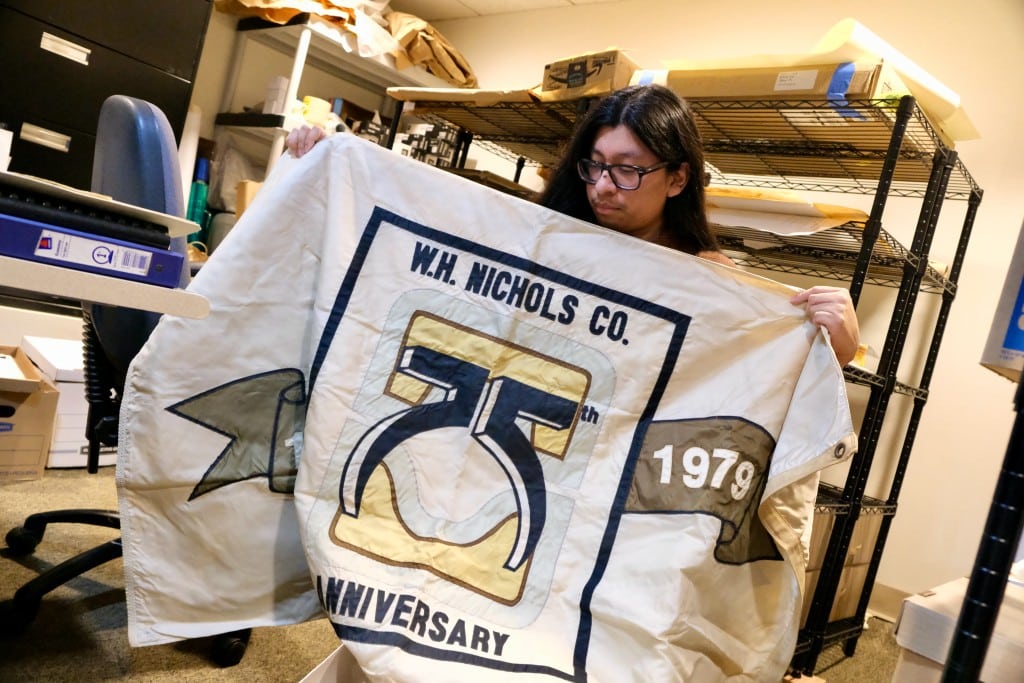
The museum’s collection includes artifacts from founder Michael Folsom — a “voracious collector,” according to Guerriero — and donations from local industry leaders such as W.H. Nichols & Co. (now Nichols Portland Inc.), Raytheon and more recently Waltham-based Teradyne.
“In the 1980s the museum got a couple major donations, and one of the most important was from W.H. Nichols & Co.,” said Guerriero. “A lot came from W.H. Nichols because of their work with government and business interests, and he was a Waltham history aficionado.”
“They worked with all the big names, including the Wright Brothers Company and Boeing,” said Hurdle. “W.H. Nichols photographed everything … who was working the line, the day and night crew. W.H. Nichols constantly took photos of people working.”
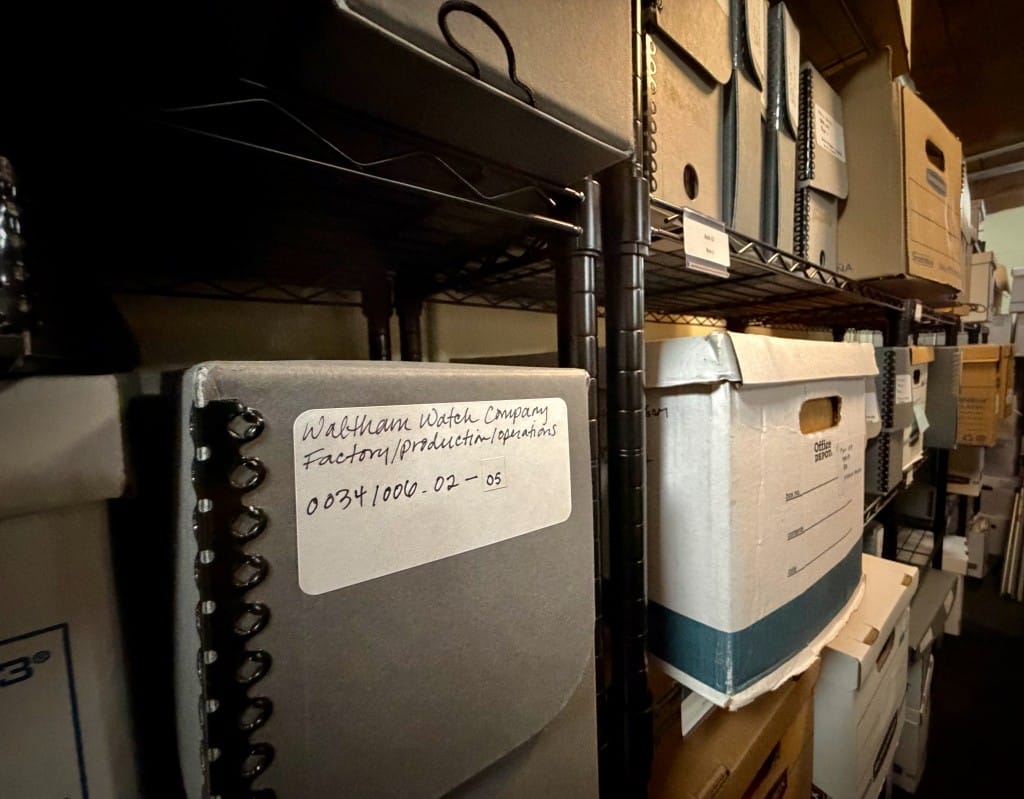
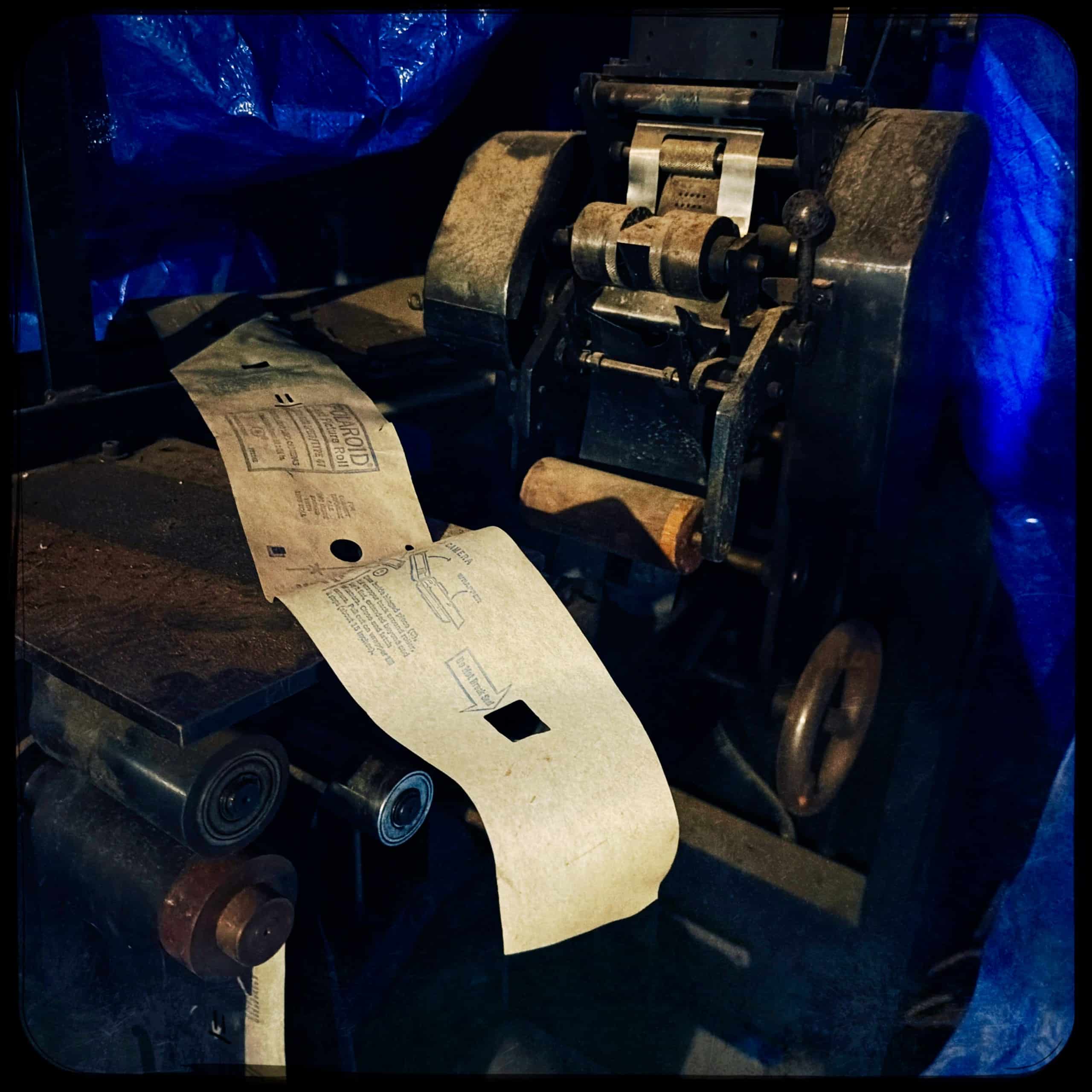
Other parts of the collection came from seizing opportunities that presented themselves, such as when the Waltham Watch Co. contacted the museum out of the blue.
“[The museum] got a call, ‘Hey, we’re throwing out a bunch into dumpsters, run over and grab as much as you can,’” Hurdle said.
In the early days the museum’s collections outpaced its ability to catalog them. The museum is now developing a more detailed inventory thanks to Hurdle and others.
“We know we have certain segments of collections,” explained Guerriero. “We have a sense of where our boxes came from, but not document by document.”
‘Constantly in discovery mode’
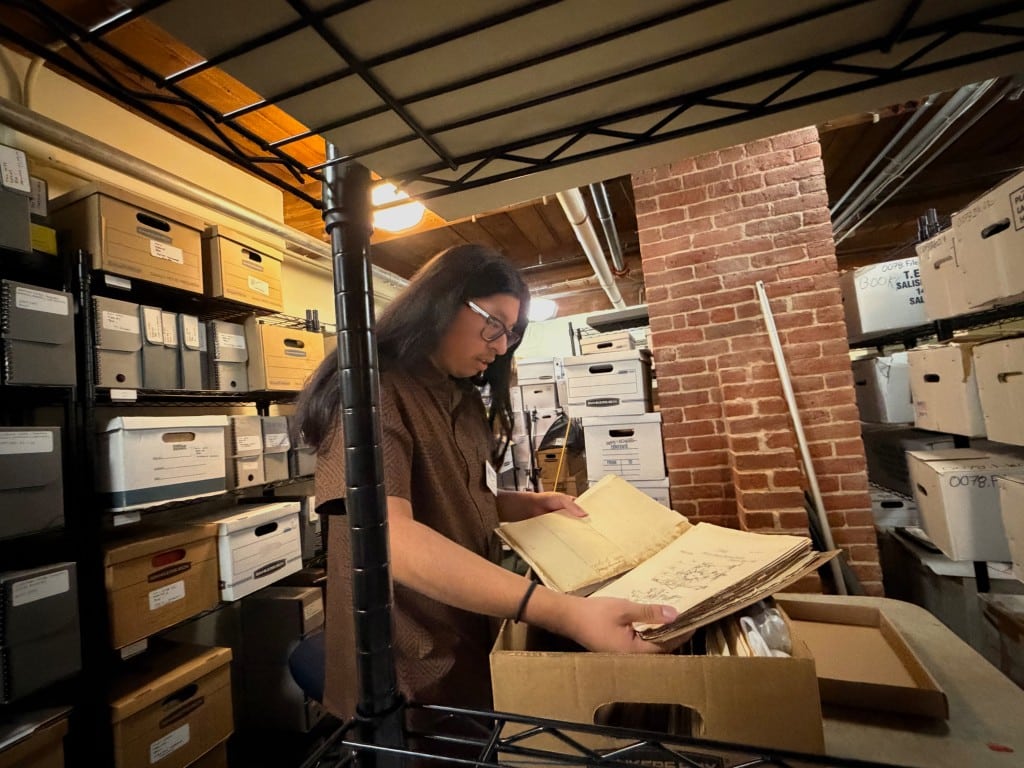
Since Hurdle started his internship about a year ago, new discoveries emerge frequently. In a recent museum visit Hurdle highlighted recent finds from the archives, including
- An early 20th century blueprint of an airfoil developed by Helen Holcombe, the first female engineer at Boeing. Hurdle said this type of blueprint reflects “the shape of the wing to maximize the drag and lift.”
“I reached out to Boeing about it, and they said, ‘Keep that safe,’” recounted Hurdle. “Boeing didn’t have a lot of stuff of hers.”
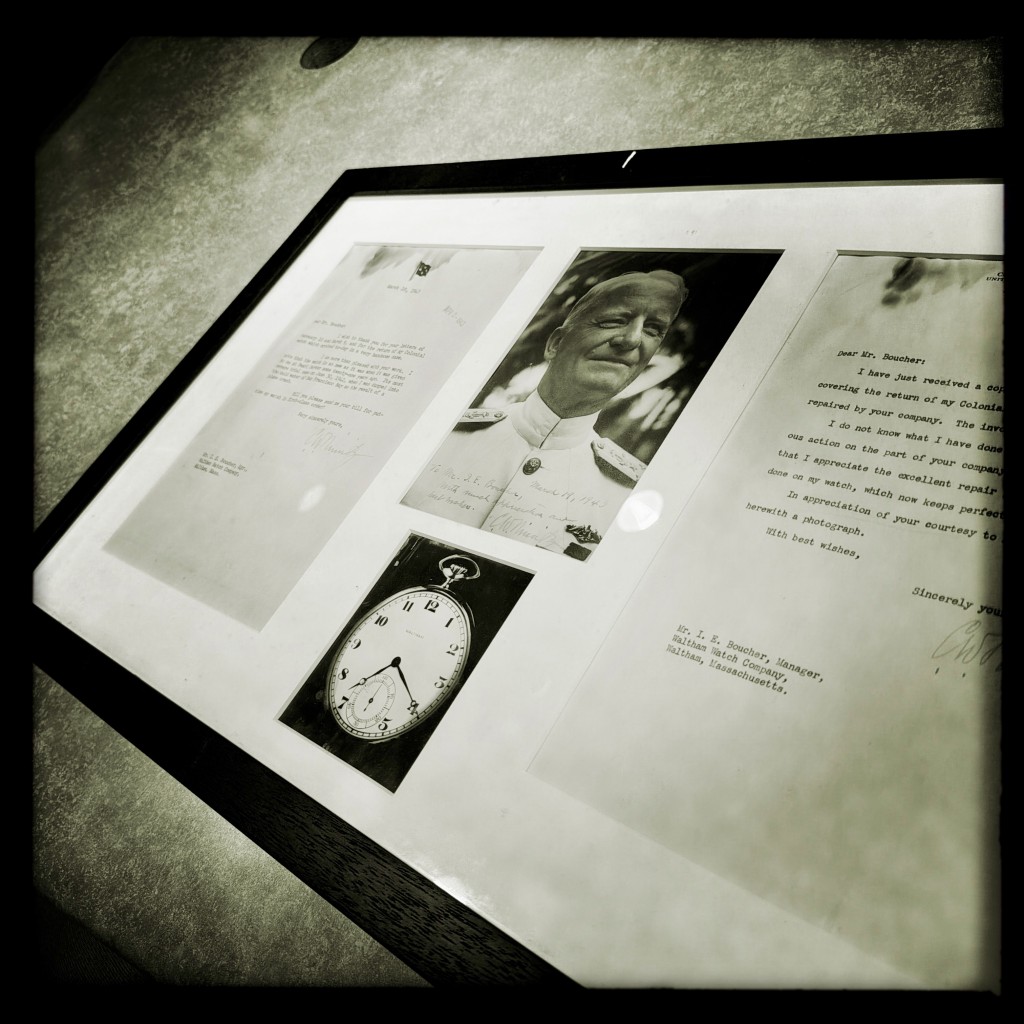
- Letters from Admiral Chester W. Nimitz, commander in chief of the U.S. Pacific Fleet during World War II, to the Waltham Watch Co., thanking the company for returning his repaired watch. He said the watch looked “as new as it was when it was given to me at Pearl Harbor some 21 years ago.”
His letters also discussed the challenges of maintaining the watch during the war: “Its most severe trial came on June 30, 1942, when I was dumped into the cold water of San Francisco Bay as the result of a plane crash.”
“We are constantly in discovery mode, it’s a lot of fun,” said Guerriero. “You don’t know what we’ll pull out of a box.”
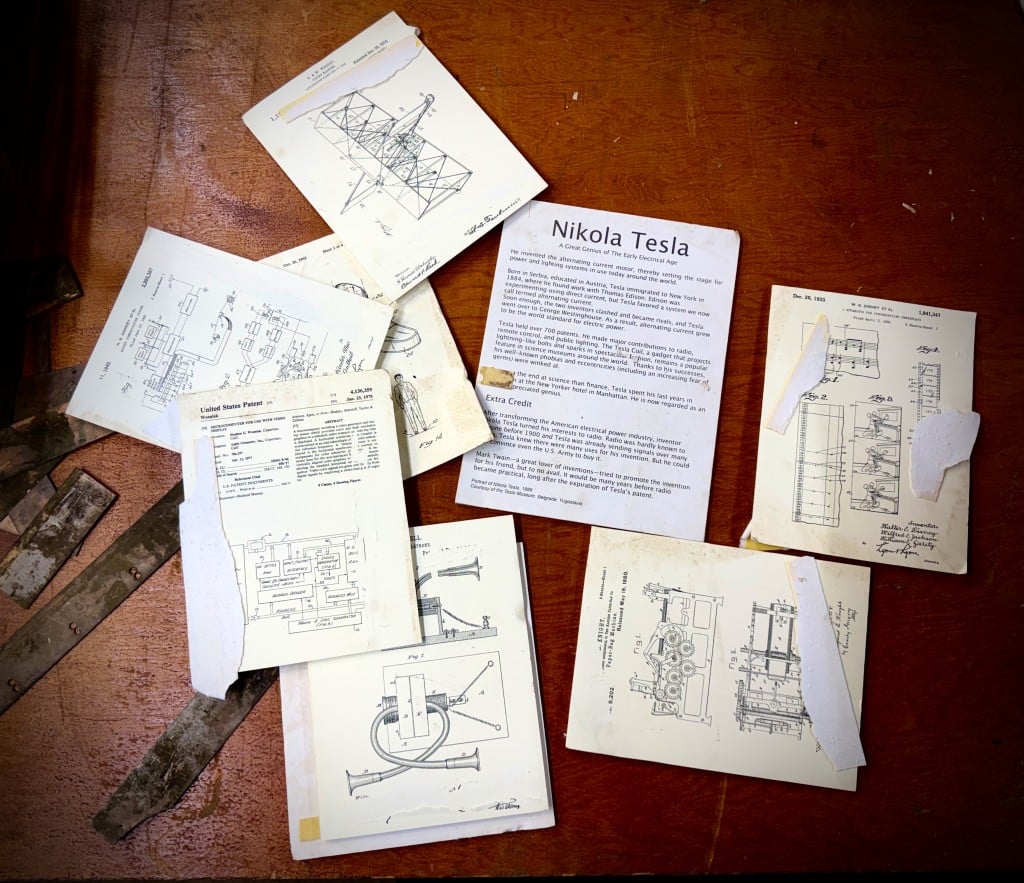
In addition to Hurdle’s discoveries, a museum volunteer found letters between famed inventor Nicola Tesla and Waltham Watch Co. about a novel speedometer design.
For Hurdle, what’s often most impactful are the stories told in photographs, such as people partying in massive boathouse ballrooms, individuals racing canoes with others cheering along the Charles River, or workers posing by their machines on the factory floor.
“Even though it’s industrial, we center on the people,” Hurdle said.
Personal connections to Waltham history
Shaughnessy Sullivan is part of her family’s sixth generation born and raised in Waltham, and the family now includes eight generations who have lived in the city. She appreciates the range of local museums Waltham offers, including the Charles River Museum of Industry & Innovation, Waltham Historical Society and Gore Place.
“I’m a Waltham girl, it’s great to have all this stuff,” said Shaughnessy Sullivan. “You might find out things about your family and where you were born and raised. It’s wonderful to find out what came before you.”
Shaughnessy Sullivan recounted that after seeing Charles River Museum’s firefighting collection, “I posted on Facebook, let everyone know. I told my uncle and within a week, he donated.”
As a result of her family’s donations, now known as the Shaughnessy Family Internship, Hurdle transitioned from a volunteer to a paid employee.
“Gabriel is doing a wonderful job,” beamed Shaughnessy Sullivan. “To make a donation for him to continue his work, I’m so happy about that.”
“You can spend hours going through [the archives],” said Hurdle. “If it’s a good story, it’ll last, and there’s a lot of good stories here.”
View full album of photos by David Greenfield.
Author

Comments (2)
Comments are closed.


Fantastic. I love the full circle story of the Shaughnessy Family, who benefitted directly from Hurdle’s work, sponsoring a paid position for him. How wonderful when community members can support each other like this!
Great story, thanks. It is wonderful that you were able to hire this volunteer thanks to the Shaughnessy Family Internship! How cool that you have letters from Nicola Tesla!