A swimmable Charles River? Yes we can!
March 17 is the deadline for public comments on EPA proposal
By EMILY NORTON
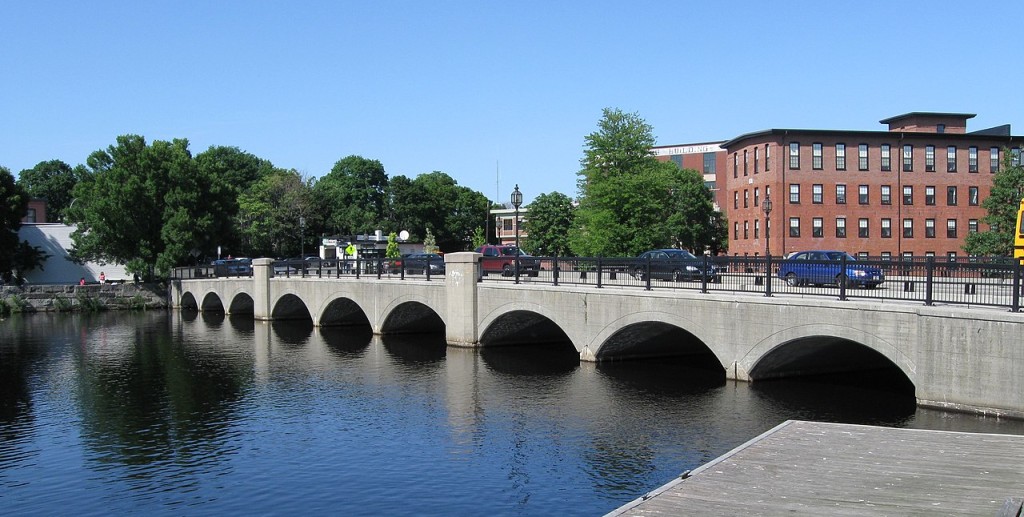
Forty years after the cleanup of the Charles River began, we still cannot safely swim in its waters.
The only swimming that takes place in the Charles’ “Lower Basin” — the area between Watertown and Boston Harbor — is via special permit, and those events are frequently cancelled due to poor water quality.
But now we have an opportunity to change that.
In October 2024, the U.S. Environmental Protection Agency (EPA) released a draft permit requiring commercial properties with an acre or more of “impervious surfaces” — surfaces such as pavement and roofs that cannot absorb water — to better control the stormwater pollution coming from their land.
This is a big deal, because stormwater is the main source of pollution degrading water quality in the Charles, as well as in the Mystic and the Neponset rivers.
When it rains, water passes down roofs and across parking lots, sidewalks, and streets, collecting organic material, pathogens, and other pollutants in its path. All that untreated water then goes into storm drains and is dumped directly into our rivers. This polluted stormwater runoff fuels toxic algae blooms, feeds invasive plants (which crowd out native species), and degrades habitats, harming the river and making it less safe for recreation.
As climate change brings more intense rainstorms, we are seeing the volume of polluted water in our rivers increasing. That’s where this new draft permit comes in.
Currently, a disproportionate amount of stormwater pollution comes from land owned by large commercial businesses, industrial sites, and universities. The EPA’s proposal would require these private property owners to rein in their dirty water runoff, either by reducing the total amount of the impervious surface on their land that the rain passes across, or by implementing different types of eco-friendly infrastructure, such as green roofs, underground holding tanks, or vegetated ditches called bioswales.
These new requirements have the added benefit of reducing inland flooding, as more green infrastructure and less pavement means stormwater will be stored in tanks or infiltrated into the ground rather than flowing into storm drains.
Municipalities are required to reduce stormwater pollution within their borders, placing the financial burden entirely on taxpayers. This new permit will benefit ordinary residents because it forces the businesses that are contributing most significantly to the problem to pay their fair share to address it.
These requirements are not yet set in stone, and public support is needed to get them across the finish line. The EPA is accepting written comments on this new regulatory approach through March 17. If you care about achieving a swimmable Charles and a safe healthy environment, your voice matters. Tell the EPA and the new administration that we need a clean Charles River now. More information on submitting written comments can be found at crwa.org/advocacy-center.
In the early 20th century, public beaches lined the Charles in Boston and Cambridge. Let’s recommit to reopening Magazine Beach, Havey Beach, Charlesbank Beach, and Gerry’s Landing Beach so that on a hot summer day we can all cool off with a jump into the refreshing, clean water of the Charles River.
Emily Norton is the executive director of the Charles River Watershed Association.