How tariffs impact Waltham’s businesses
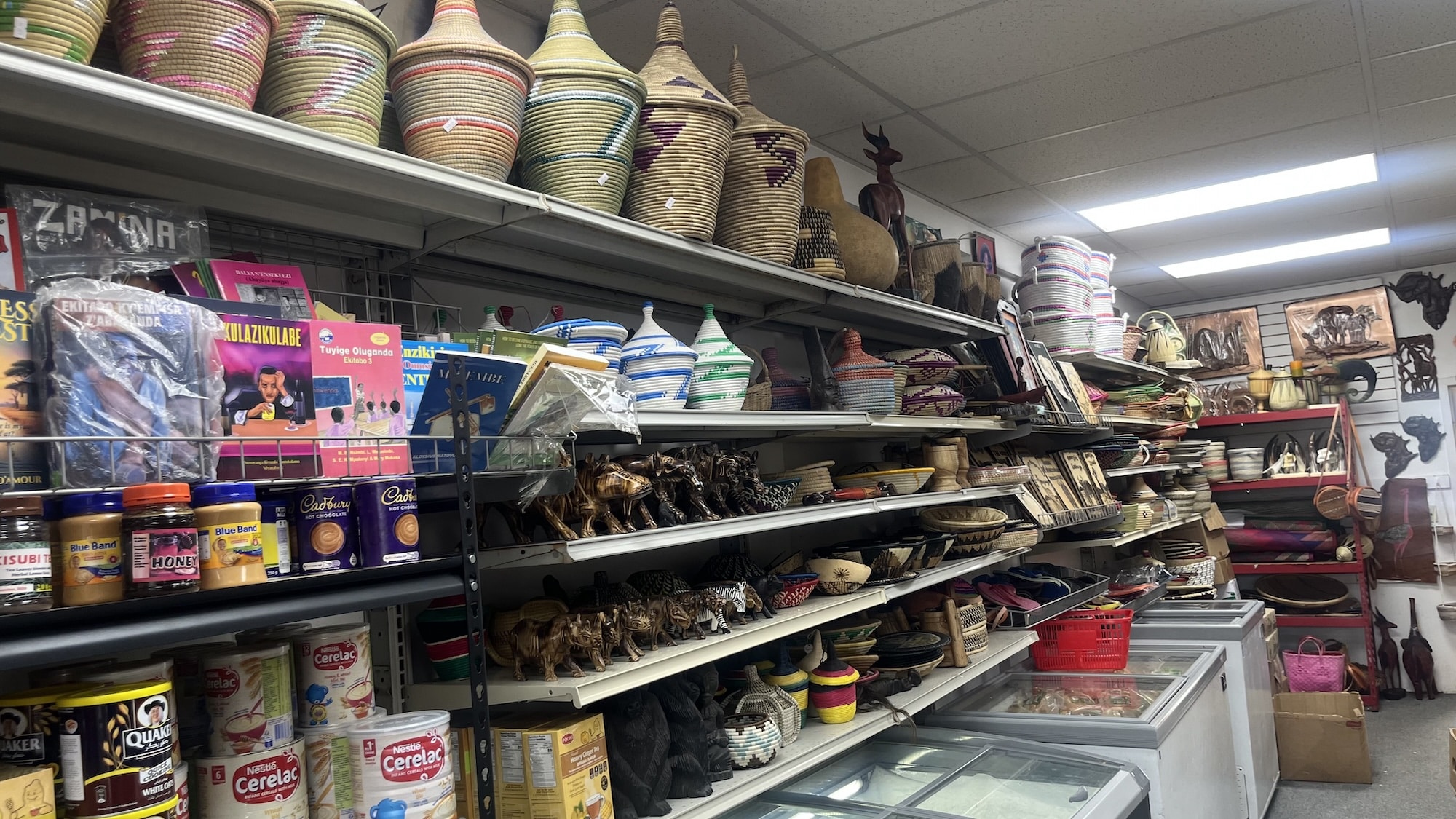
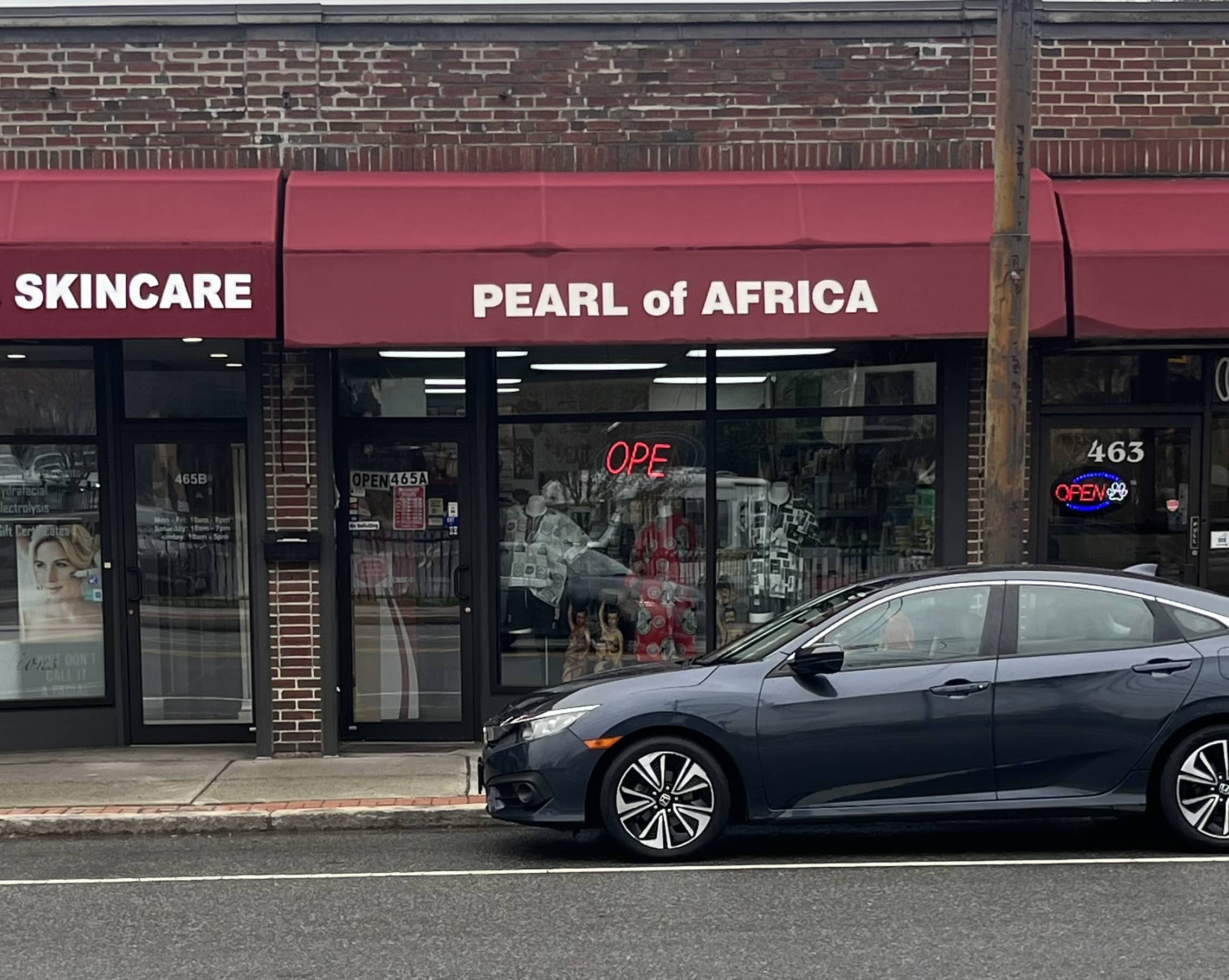
Dinny Myerson tries not to let the dizzying news cycle about tariffs bother her too much. Ismael Rajab’s business is OK for now, but he’s a bit nervous about what’s to come.
Though President Donald Trump sets tariffs from Washington, D.C., on countries around the world, there’s potential for impact in Waltham.
For Myerson, owner of 365 Moody St. shop Gourmet Pottery, the only tariff-related consideration she has made so far is to buy more of the store’s handmade and international fair trade inventory in advance, in hopes of avoiding price hikes for both her business and its customers.
“Things like COVID and this tariff thing make me double-down a bit and put on my hunter/gatherer helmet,” Myerson said. “I just go to work and look for the best stuff I can get given the situation.”
It’s different for Rajab, owner of Pearl of Africa at 465A Main St., which imports goods from Burundi, Uganda, Kenya, Rwanda and Tanzania. Rising tariffs will “impact our margins,” Rajab said, and higher tariffs means higher prices for customers. Many of the food items he sells cannot be bought in advance.
Customers have let Rajab know they aren’t thrilled about rising prices. For example, the tariff on Ugandan goods is expected to rise from 10% to 20%.
“We don’t want to raise prices here, and most of the items I buy here are from people back home, like farmers, who are just trying to get along,” Rajab said. “There’s going to be a ripple effect.”
Small businesses are especially vulnerable
David Gulley, a professor of economics at Bentley University, said the level of uncertainty related to tariffs hamstrings businesses. Oftentimes businesses curb hiring, investing or expansion during times like these.
For example, local food businesses with especially small profit margins may raise prices, but they also could eat costs and decrease staff. While big businesses negotiate with suppliers, smaller businesses usually do not.
“Small businesses don’t have giant piles of cash lying around, and they get a lot of financing from their owners and banks,” Gulley said. “In the current environment, if these tariffs persist and are not reduced to lower levels, these can be existential threats to low-margin small businesses that don’t have a lot of financial flexibility.”
Laura Burkett, executive director at Metalwerx, a non-profit jewelry and metalsmithing school that offers in-person programming at its 50 Guinan St. location and online, said tariffs combined with the rising cost of precious metals have multiple impacts. Also, some Canadian residents who planned to travel to on-site programming canceled their trips due to potential issues at the border.
“We buy and maintain a lot of equipment, tools and materials to support our onsite classes and benchholder community,” Burkett said in an email. “Even though much of this comes from countries that are not as heavily affected by the tariffs … most of them are raising their prices — some by as much as 50%, apparently because of the opportunity to do so.”
It’s not just the small businesses that may be affected by rising costs.
Judith Dean, professor of international economics at Brandeis University who studies global value supply chains, noted that many consumer goods are produced in multiple countries. For example, Samsung has more than 2,000 firms in its supply chain.
“Every time an intermediate piece of a good crosses a border … it raises the entire production cost,” Dean said. “It can cascade.”
A spokesperson for Global Partners, an energy supply company headquartered on South Street near the Newton border, said in a prepared statement to The Waltham Times that they’re staying on top of global economics and the potential impact of proposed tariffs.
“While policy-driven disruptions pose real challenges, we believe we are well-positioned to continue serving our customers reliably through this period of uncertainty,” the statement read. “We have been a cornerstone of the Northeast’s energy supply for more than 90 years, and we will continue to uphold that commitment by prioritizing the needs of our customers and communities.”
Myerson, who has been in business for more than 25 years at Gourmet Pottery’s current location, emphasized that she’s not too worried, nor does she follow dynamic, erratic and unpredictable news about tariffs. She’s “weathered many storms” throughout her time as a business owner and expects to do the same with any tariff-related circumstances.
“It’s so up in the air and changes everyday,” Myerson said. “I’ve got lots to do all the time and try not to worry about it. I’m not stressed.”
Share anonymous news tips
You can leave a news tip anonymously, but if you would like us to follow up with you, please include your contact information
Author