Toxic algae detected in Hardy Pond
Public health officials are advising neighbors and visitors of Hardy Pond to be on the lookout for toxic algae.
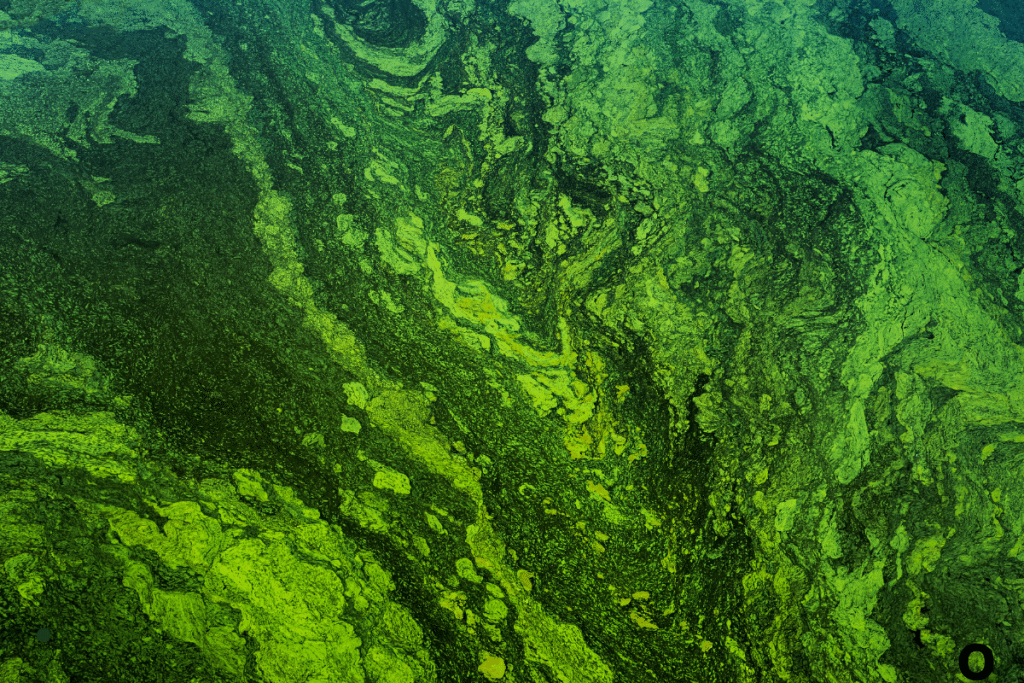
The warning comes after officials detected cyanobacteria algae on Hardy Pond.
According to the Massachusetts Department of Environmental Protection, cyanobacteria are microscopic bacteria that live in all types of bodies of water. A large growth of these bacteria results in algal blooms that pollute the water.
Exposure to cyanobacteria algae is unsafe for both people and pets. Ingesting small amounts of cyanobacteria or cyanotoxin, which is produced by the algae, can cause gastrointestinal symptoms, while larger amounts may cause liver or neurological damage, according to the DEP. Contact with cyanobacteria can cause skin or eye irritation. Inhaling water spray containing cyanobacteria can cause asthma-like symptoms. Small children and pets are more susceptible to the effects of cyanotoxins than adults.
If you or a pet comes in contact with cyanobacteria algae, public health officials urge rinsing as soon as possible to prevent exposure.
Hardy Pond is located within Waltham’s Lakeview neighborhood. All residents and visitors are advised of the following:
- Do not swim
- Do not jet ski or boat
- Do not swallow the water
- Do not fish or consume any fish
- Keep animals away
Author