Bentley professor researching Asian tiger mosquito
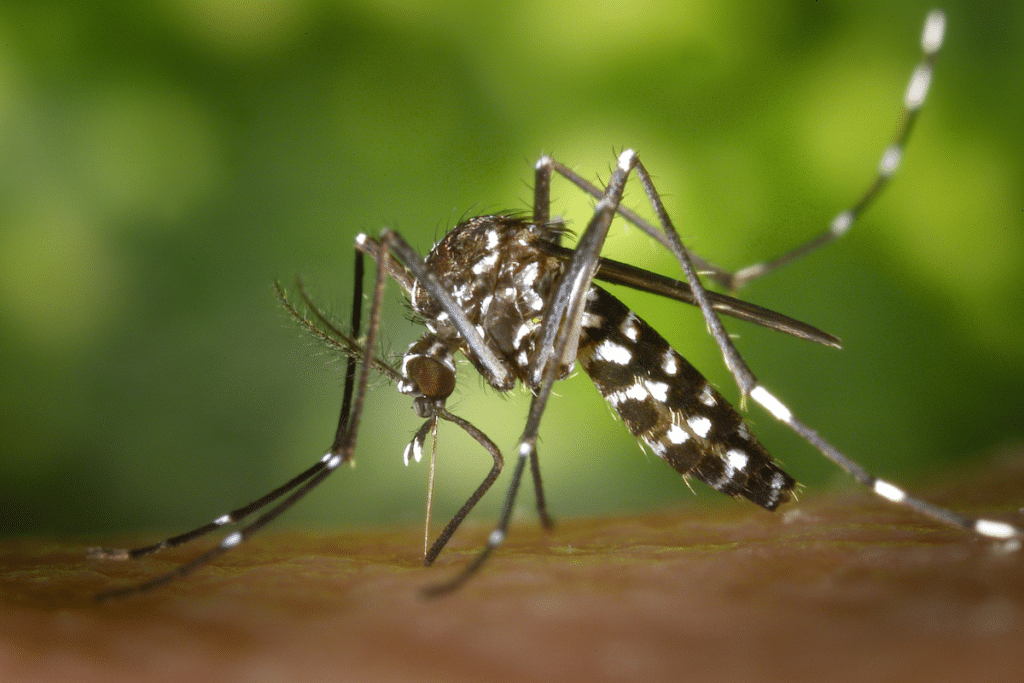
A Bentley University professor is researching whether the Asian tiger mosquito, an invasive species, is present in Waltham.
To do this, Tony Kiszewski, an associate professor of natural and applied sciences, has placed monitoring devices around the Robert Treat Paine Estate, on Bentley’s campus and along the border of West Newton and Waltham.
According to the U.S. Centers for Disease Control and Prevention, Asian tiger mosquitoes favor subtropical environments.
However, “climate change is allowing them to come further north,” Kiszewski said, explaining that New England’s sometimes freezing temperatures typically prevent the species’ eggs from hatching.
These mosquitoes have been found locally, with researchers in the Greater Boston area last summer noticing a spike in the Asian tiger mosquito population.
Kiszewski aims to study this further. “I’d like to collect some to keep in my laboratory and start a colony of them, so I can use them in teaching, and I can potentially do some research with them,” he said.
A potential risk
Subtropical mosquitoes can spread diseases.
To Kiszewski, Asian tiger mosquitoes have yet to become a major risk in the area for humans in terms of disease transmission, but their behavior provides room for that risk to grow.
He said that these mosquitoes are aggressive biters and will bite anything that moves, making them less picky than other mosquito species; That lessens the chances of bites against humans, as the mosquitos spread out their aggression among many targets.
But, unlike other species, Asian tiger mosquitoes bite during the day, whereas Kiszewski said people usually use bug spray to guard against mosquitoes at night. This could lead to the population becoming unchecked, potentially making it a major pest in the summer.
Collecting the species
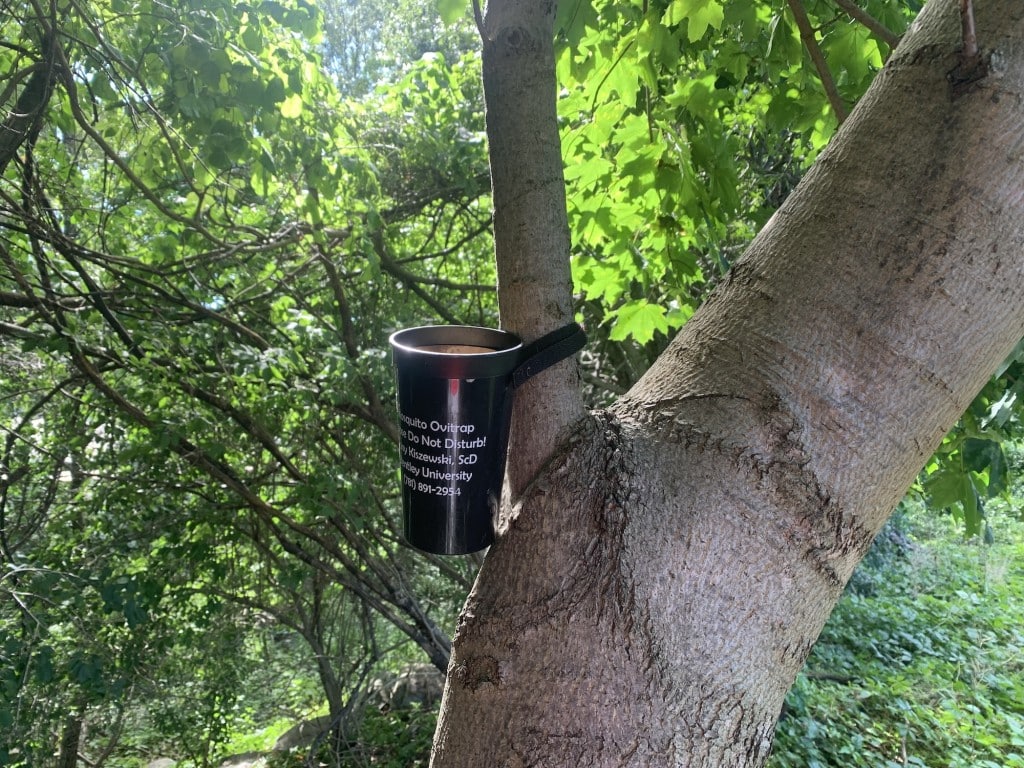
To determine if the species poses a health risk to Waltham, Kizsewski needs to capture some.
Kiszewki set out cups filled with water and attached them to trees. Cardboard liners, similar to the ones used in to-go coffee cups, were tucked into them.
“It’s not really a trap. It’s kind of a lure for female mosquitoes looking for a place to lay eggs,” he explained.
The damp cardboard provides the type of surface female mosquitoes prefer for laying eggs.
If Kiszewski finds proof that the species is present, he will inform the city’s Health Department and the East Middlesex Mosquito Control Project, a locally funded agency that assists municipalities with curbing mosquito populations.
Kisewski said if he captures any, he could also investigate how the insects are surviving the region’s cold climate.
Ways to control the population
Luckily, residents can be proactive in preventing the spread of mosquitoes in the area.
One way is to eliminate standing water, which is a breeding ground for the pests.
According to Kizsewski, gutter extensions, devices used to prevent water from pooling near houses, are “notorious major breeding areas for these Asian tiger mosquitoes,” as they can retain significant amounts of water after rainfall.
Removing these during the summer, as well as bodies of standing water in a backyard, can reduce the spread of the bugs.
“It’s good not to wait until we find these things,” he said.
Author