
Coyote pup found at Brandeis tests positive for rodenticide previously used on campus
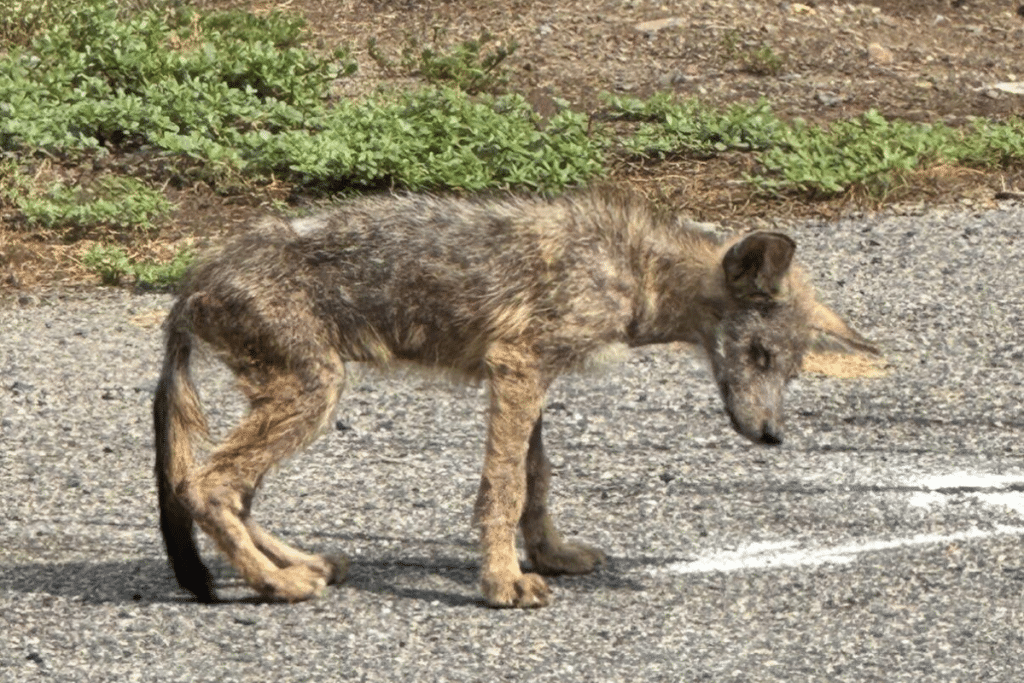
A young coyote found at Brandeis University on July 25 has tested positive for a significant amount of second-generation anticoagulant rat poisons, two of which Brandeis University has reported using in the past. The coyote was found alive and died while in the care of a wildlife rehabilitator. Before its death, the rehabilitator reported that the coyote had a delayed blood clotting time, which is typical of SGAR-poisoned wildlife.
Sonja Wadman, director of Waltham Land Trust, says that Brandeis has pledged to stop SGAR use on their property. Wadman and the president of Brandeis Students for Environmental Action attended a meeting on May 1 with two Brandeis officials to discuss their SGAR use.
“They were shocked to learn that dead and dying hawks had been recovered from their campus,” said Wadman in an email to The Waltham Times.
On July 2, Brandeis told Wadman that they would be terminating their use of SGARs and using vitamin D3, Contrapest rat contraception and snap traps in their place. Brandeis also confirmed the same information in an email to The Waltham Times on Aug. 20. The university has not made a public statement about the subject.
According to a liver panel conducted by chemist Dr. Yuntao Zhang, the coyote had 1432.55 parts per billion of the SGAR bromadiolone in its system. The lethal threshold of this poison for the majority of animals is 100 to 200 parts per billion. The coyote also had 7.40 parts per billion of brodifacoum in its system. Brandeis facilities have used both of these rodenticides on campus according to its March 2022 Integrated Pest Management Plan. However, it is unknown if the coyote consumed the poison on Brandeis property.
Additionally, a necropsy revealed that the coyote was underweight and suffered from internal bleeding and mange consistent with SGAR poisoning in wildlife. Dr. Amanda Leef of Heal Veterinary Clinic in Watertown has been treating and assessing non-target species of SGARs and performed the necropsy of the Brandeis coyote pup.
“Almost every single animal we have tested has come back positive for at least one type of poison, and most of those have lethal levels,” said Dr. Leef in an email to The Waltham Times. “This includes species as unlikely as snapping turtles and the Great Blue Heron.”
Author

Comments (3)
Comments are closed.


Sounds like Brandeis changed their policy to stop using that nasty stuff on July 2nd, but it takes time for it to travel through the food chain. The coyote pup was found 23 days later, so Brandeis might very well have stopped using the stuff, but the coyote ate something which ate something which ate the poison 3 weeks earlier.
Thank you to Sonja Wadman for tireless efforts to shed light on this pervasive problem and to protect local wildlife from the bad choices our institutions make, influenced by a chemical industry willing to poison the earth for profits.
An institution like Brandeis is not SMART enough than to have poison available for to kill birds and animals.
This is a very sad and disgraceful behaviour.