Zoning Board votes to uphold cease-and-desist based on lodging house definition
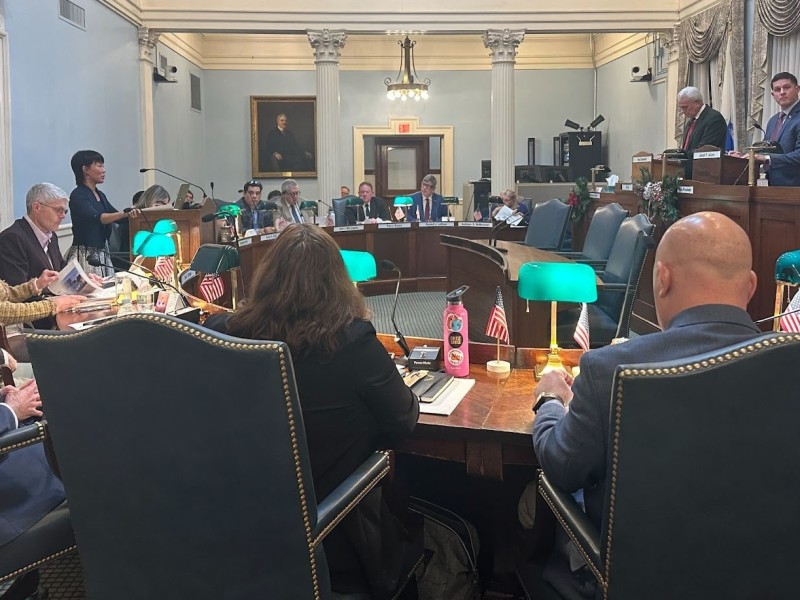
The Waltham Zoning Board of Appeals voted 4–1 Tuesday evening to uphold a series of cease-and-desist orders that city building inspector Brian Bower sent to eight rental properties around the city.
The November 2024 letters ordered owner David Schwartz to halt operation of the properties — most of them located around Waltham’s South Side — on the grounds that they were being run as lodging houses by the zoning code’s definitions.
This case has been ongoing for months, first appearing in front of the board in June. It has since attracted significant public comment. Some renters and housing advocates in the city have argued that classifying these properties as lodging houses could endanger the legal rights of renting with roommates in Waltham. Additionally, some other neighbors have complained about nuisance reports and parking issues at some of the properties.
On Tuesday, the ZBA closed the public hearing without hearing additional comment from the public. ZBA Chair John Sergi cautioned the audience to keep the proceedings “respectful and orderly,” mentioning that there was a police presence in the building to “assist to maintain” order. Two police officers were present outside of the hearing room.
The board asked some additional questions of both Schwartz’s attorney Michael Kelly and City Solicitor Katherine Laughman, who has been representing Bower during this case, before taking a final vote.
Sergi, board members Matthew Deveaux and Stephen Taranto, and associate member Joseph Attardo voted in favor of upholding the building inspector’s decision, and the motion passed with a 4–1 vote; board member Mark Hickernell voted against it.
Kelly emphasized both in letters and in a direct address to the board before answering its questions that Schwartz would have the right to appeal their decision.
The case until now
The ZBA’s choice on this case came down to whether or not to uphold Bower’s decision. Bower, representing the city of Waltham, has argued that Schwartz’s properties should be classified as lodging houses because they are composed of “rooms [that] are rented to four or more persons not within the second degree of kindred to the owner.”
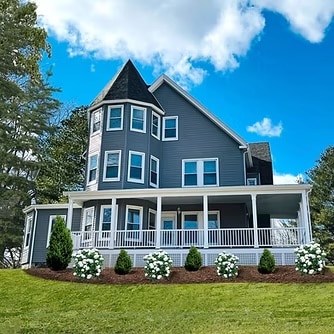
Schwartz’s company GradBnB operates as a roommate-matching service, matching individual applicants together to rent each of his apartments. The city has argued that his properties — houses around the city that he has renovated to add additional bedrooms — increase density within the city and encourage shorter-term tenants that it believes will do less to contribute to the neighborhood.
Laughman also mentioned in an earlier hearing that the city has been taking action against “the use of dwelling units for university and college housing” since the 1990s, because of issues during that period with density and nuisance complaints.
Schwartz, before receiving Bower’s letters, had also individually advertised rooms in his apartments on property rental websites and was writing individual leases with each tenant. Since receiving the letters, Schwartz’s team have revised their advertisements and begun writing joint leases for tenants of the apartments, but the city has argued these properties still fit the definition of lodging houses and cause the harms the statute was designed to prevent.
Kelly has argued the properties are not lodging houses but rather should be classified as “dwelling units,” defined as “one or more rooms designed for… a place of abode by one person or by one family.”
The key point of this argument, according to Kelly, is the definition of “family” within Waltham’s zoning code, which defines it as a domestic, permanent and cohesive “bona fide single housekeeping unit.” He argues Schwartz’s renters, who live, socialize and maintain their units together, classify under that definition.
At its last hearing in July, the board failed to put forward a motion to take further action on the case, instead requesting additional legal guidance.
Initially, the board voted to send their questions to Laughman as city solicitor; because Laughman represented Bower in front of the board, however, in a letter responding to objections from Schwartz’s team, she informed him and the board that she would only be able to respond to their questions as Bower’s representative and not in an independent advisory capacity.
Earlier this month, on Sept. 9, the board agreed to delay their next hearing of the case to this week so that Schwartz’s team could also submit responses to their questions.
The Tuesday hearing
When appearing before the board on Tuesday, Kelly first reiterated the answers he had provided to the ZBA’s legal questions before the hearing.
Both Laughman and Kelly agreed on many of their answers — that the ZBA has the power to overturn Bower’s decision, that involved parties would be able to appeal the ZBA’s decision to a higher court, whether the zoning code regulates things like number of bedrooms in a house and that the board should make their call based on an accurate enforcement of Waltham’s zoning code rather than on whether it could open the city to potential litigation.
Kelly also repeated that he believed Laughman’s July presentation to the board on Bower’s behalf should be disregarded, as it involved a lawyer speaking for their client and was therefore, he argued, inadmissible and hearsay evidence.
In response to board questions, Laughman maintained that her involvement was completely permitted, citing precedent that the rules governing the Zoning Board are different from those of a standard court.
The board additionally asked Kelly to clarify how tenants submit rent for the apartments, and asked Laughman to re-explain the presentation of previous evidence submitted by the Fire Department.
Share anonymous news tips
You can leave a news tip anonymously, but if you would like us to follow up with you, please include your contact information
Author