Toxic cyanobacteria bloom threatened Head of the Charles Regatta

The Massachusetts Department of Public Health issued an advisory earlier this month stating that the Charles River’s cyanobacteria bloom had expanded, triggering a public health advisory for the Charles River and casting a cloud over the weekend’s Head of the Charles Regatta.
But the popular rowing race moved forward as planned, with events Friday through Sunday along the Boston portion of the river.
Water testing earlier in this fall had triggered concerns. Charles River Watershed Association’s river science extern Marielena Lima said the bloom now extends from the Charles River Dam near Boston’s North Station to the Cambridge Street Bridge between Cambridge and Lower Allston.
But water samples collected on Tuesday, Oct. 14, showed that cyanobacteria levels dropped below advisory thresholds. The DPH on Thursday announced it was lifting its cyanobacteria bloom advisory in the Charles River.
The state alerts a municipality to issue a public health advisory when an organization such as the CRWA submits evidence that samples from a water body show total cyanobacteria counts of more than 70,000 cells per milliliter, the concentration of the toxin cylindrospermopsin exceeds 15 micrograms per liter, or the concentration of the toxin microcystins exceeds 8 microgram per liter.
Waltham has its own issues
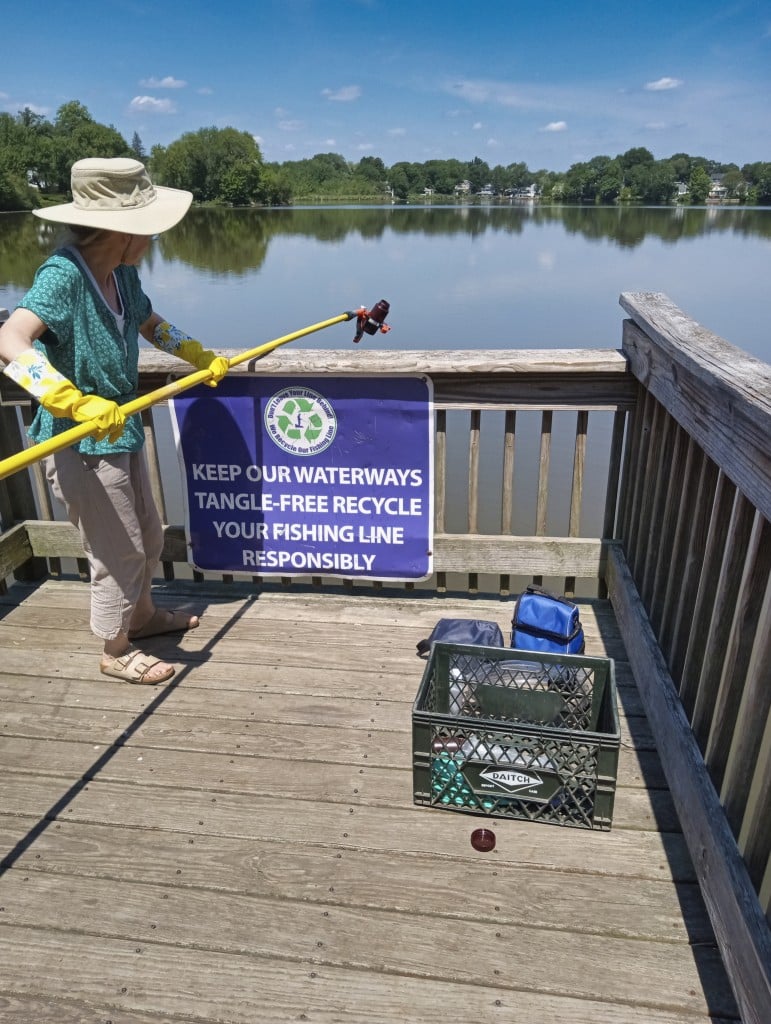
The portion of the Charles River running through Waltham has not tested above the advisory threshold, but advisories have been issued for Hardy Pond.
When advisories have been issued, residents should
- Mind signs related to the cyanobacteria bloom advisory
- Stay away from the water
- Keep pets away from the water
Lima, who is responsible for implementing the organization’s water quality monitoring programs, said pet death is one of the most well-known impacts of cyanobacterial harmful algal blooms.
“I think a lot of people learn what a cyanobacterial bloom is because they had a pet go in the water, then they start seeing symptoms and unfortunately might have their pet die because of the toxins.”
While CRWA doesn’t monitor reports of pet or wildlife illness or morbidity related to cyanoHABs, Waltham Land Trust’s Betty Mackenzie recently testified at a recent Waltham City Council Public Works and Public Safety Committee meeting that the state has deemed Hardy Pond “unsafe for contact by people and pets.”
A global threat with local impact
While cyanoHABs are causing concerns and disruptions locally, Lima explained that this phenomenon extends beyond eastern Massachusetts.
“Cyanobacteria are naturally occurring microorganisms. They’re mostly in bodies of fresh water: lakes, ponds, rivers and estuaries. They’re a part of a balanced ecosystem,” she said. “The problem comes when you have too much, when the population explodes. Usually we see cyanobacteria blooms in the summer, when you have really hot temperatures and more stagnant water.”
However, she said that these algal blooms can happen year-round, sometimes without visual clues.
The cyanobacterial bloom in Hardy Pond, Lima said, is a representative example of how cyanoHABs impact water bodies in Massachusetts and other parts of the United States.
Big eaters
“The main cause of cyanobacteria blooms is when you have too [many] nutrients in the water,” Lima said. “If there’s food, they’re gonna eat it. And so they grow and grow.”
Some types of cyanobacteria create toxic blooms when they grow too much.
Lima said that monitoring and remediating cyanoHABs is still a relatively new field but scientists have been able to determine some of the causes and develop treatments.
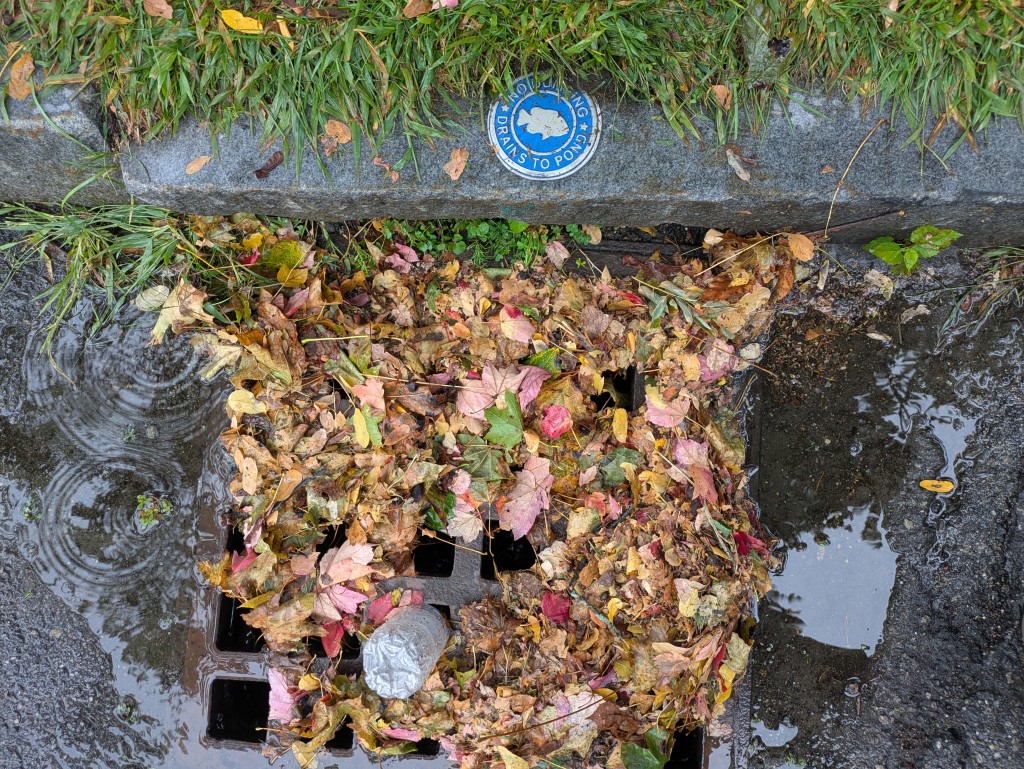
She said evidence points to phosphorus being the main nutrient feeding cyanoHABs in the local watershed, explaining that stormwater runoff carries phosphorus from fertilizers and leaf mulch into the Charles River, Hardy Pond and other local bodies of water.
“We have a lot of phosphorus going into water bodies from stormwater runoff pollution … things like fertilizers that people put on their lawns so that the grass grows green and nice and lush maybe runs off into the nearby sewer system,” she explained.
The CRWA is working with municipalities including the City of Waltham to use natural filters such as rain gardens and tree trenches to reduce the amount of phosphorus going into water systems.
Chain of command
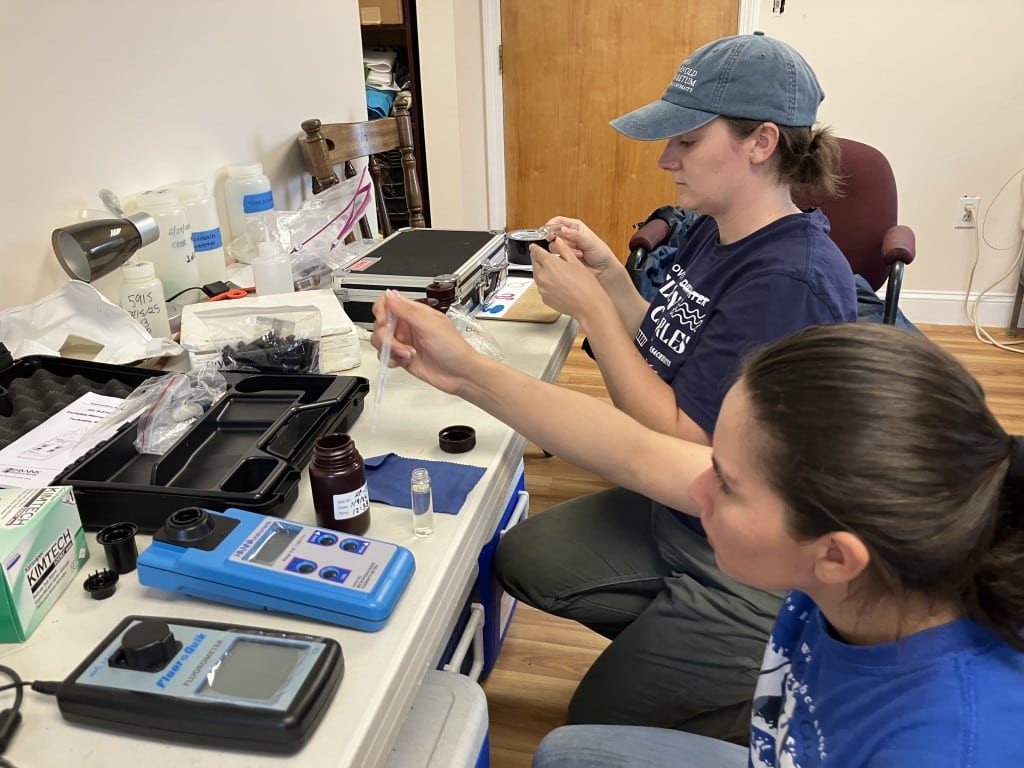
Water testing and water monitoring remains the CRWA’s primary role in studying and managing cyanoHABs in Waltham and surrounding areas, according to Lima. When the organization becomes aware of a potential cyanobacteria bloom, often when a volunteer reports visual clues, CRWA officials take water samples from the water body in question.
Scientists gather data such as what type of cyanobacteria are present in the water samples and how many cyanobacteria cells are present per milliliter of water. Once gathered, the CRWA submits the data to the state. The state uses the data that the CRWA gathers to determine if a public health advisory needs to be issued based on established thresholds.
From there, the state alerts a municipality’s health department if a cyanoHAB public health advisory needs to be issued for a particular body of water.
The municipality and its health department are responsible for alerting residents and posting related signage.
Fix the cause
Lima emphasized that “we need to fix the cause” of these cyanHABs, “not necessarily the symptoms.”
She shared that “there’s a desire to be able to fish or boat in the water without being concerned about cyanobacteria blooms and toxins.” But, she said, focusing on treating the cyanoHABs with chemicals rather than preventing the toxic blooms in the first place has not been a successful long-term strategy.
Lima said there are small steps that individual community members can take to help prevent cyanoHABs:
- Reduce fertilizer use
- Properly dispose of yard leaves as leaf mulch contains high levels of phosphorus
- Never dump material into or near stormwater drains, which empty to local watersheds
- Volunteer with the CRWA or Waltham Land Trust to assist in ongoing water monitoring
“Little things like that do make a difference in the grand scheme of things,” Lima added.
Share anonymous news tips
You can leave a news tip anonymously, but if you would like us to follow up with you, please include your contact information
Author