Waltham woman couldn’t find needed support so she created an online community
Six years ago Waltham resident Darilys Matos Acevedo began experiencing debilitating feelings. She had throbbing head and neck pain, episodes where she felt like she was falling through the floor, and bouts of extreme sensitivity to sound that meant she couldn’t go to places with noise or crowds without then having to rest in bed.
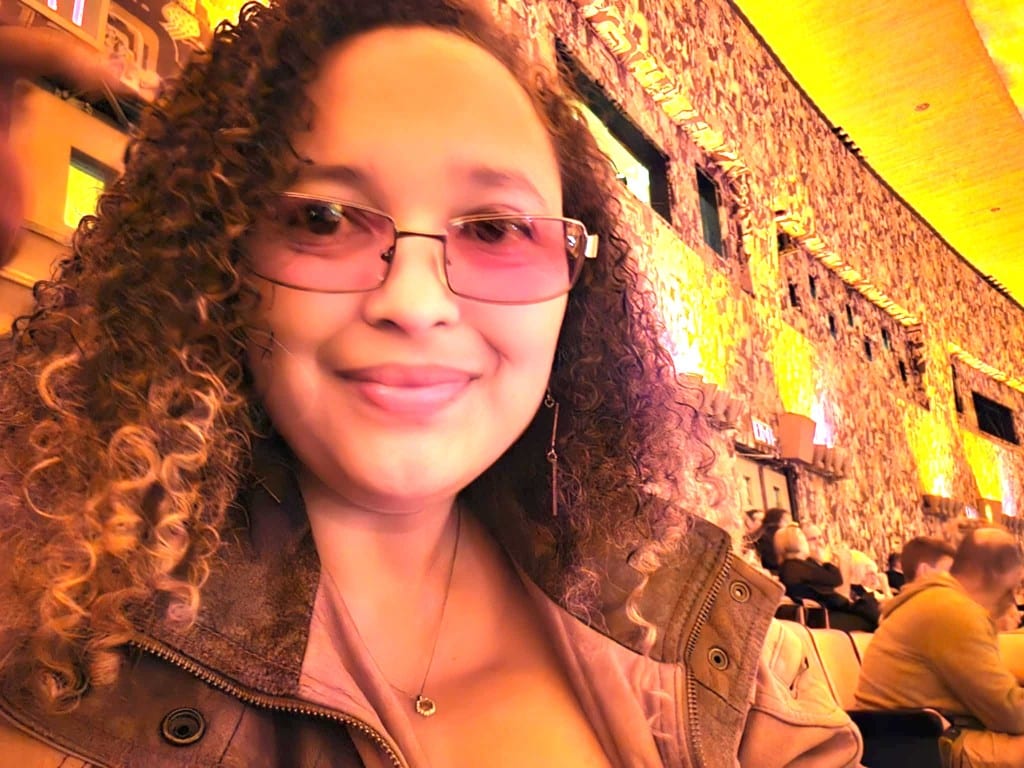
Matos Acevedo couldn’t put a name to these experiences, though not for lack of trying. Visits to doctors had her leaving with diagnoses of anxiety, depression or being “young and healthy” until 2023, when a neurologist finally diagnosed her with vestibular migraine and persistent postural perception dizziness, or PPD.
It was a disease uncommon enough that many doctors had missed it. “That’s the hardest part, that there’s a lack of awareness of vestibular conditions even in the medical field,” Matos Acevedo said.
Even so, the neurologist would not take her on as a patient, leaving her feeling as if she was “back to square one.”
Still, she had a diagnosis.
Armed with that, she sought out more information. That led her to Facebook support groups, which helped her find medication, online therapy and a neurologist to help her manage her condition. The support groups also pointed her to the Vestibular Disorders Association, or VeDA, a nonprofit that provides resources and educational materials around vestibular conditions.
Matos Acevedo joined the organization as an ambassador. Eventually, she was asked to lead a Spanish-speaking support group –— something, she learned, didn’t exist.
“[I knew] how much the support groups really helped me when I was at my worst and the thought of my community not having any, not even one…I said yes.”
She launched the Spanish-speaking support group in August 2023. She has since separated from VeDA to operate the group independently.
Meetings are held Tuesdays at 7:30 p.m. over Zoom. Matos Acevedo, Ana Fuentes and Angélica Martínez García co-host the meeting, although Matos Acevedo considers herself a member as the group is peer-led. “We meet over Zoom to share stories, experiences, and coping strategies (translated),” the group’s landing page reads. The group also has a page to share both English- and Spanish-language resources on vestibular conditions.
Mackenzie Syron LaRovere, who has a doctorate of physical therapy, founder of the Massachusetts-based service Dizzy Diagnosis, which provides vestibular physical therapy, said support groups such as Matos Acevedo’s can provide a “confirming” experience for those with vestibular conditions, as they are considered an “invisible illness” that makes it difficult for others to identify when an individual is dealing with one.
Martínez García, who lives in Mexico City and who first joined the group as a member, found it after the limited number of resources on vestibular conditions in Spanish had her looking at English-language sources. She said other group members received her with respect and empathy and that due to her participation, “Today, I have a better understanding of my diagnosis and have learned to accept and manage it in a way more beneficial to me (translated).”
Matos Acevedo had to stop organizing a local social group during the lowest point of her condition, but has since been able to resume it. She manages gatherings while accommodating her condition, which may look like bringing the group to businesses earlier in the day to avoid crowds –— though that doesn’t mean her symptoms are never triggered.
As for the support group, she said that new people joining reaffirms why her and her cohosts run it; most people come lacking resources and thinking that their condition is “this sort of like, death sentence of their lives,” she said before adding, “We can talk to them and tell them that it doesn’t have to be like that.”
Author