New MWRA proposal continues to allow sewage dumping into the Charles River
The Massachusetts Water Resources Authority during a board meeting this week put forth a new plan for mitigating a certain amount of combined sewage overflow leakage into the Charles River. A previous plan presented in October raised concerns from the community about the amount of sewage content making its way into the river. Combined sewage overflow happens when outdated pipe systems that have the dual purpose of removing stormwater and moving wastewater to treatment plants become overwhelmed by a heavy rainstorm. The system then releases the excess sewage-contaminated water into the river.
According to Charles River Watershed Association executive director Emily Norton, the plan is an improvement, but it isn’t perfect. “It will still result in frequent sewage discharges,” she explains. “According to the MWRA’s own numbers, for the difference of under four dollars a month per household, we can virtually eliminate sewage discharges. Why wouldn’t we do that?”
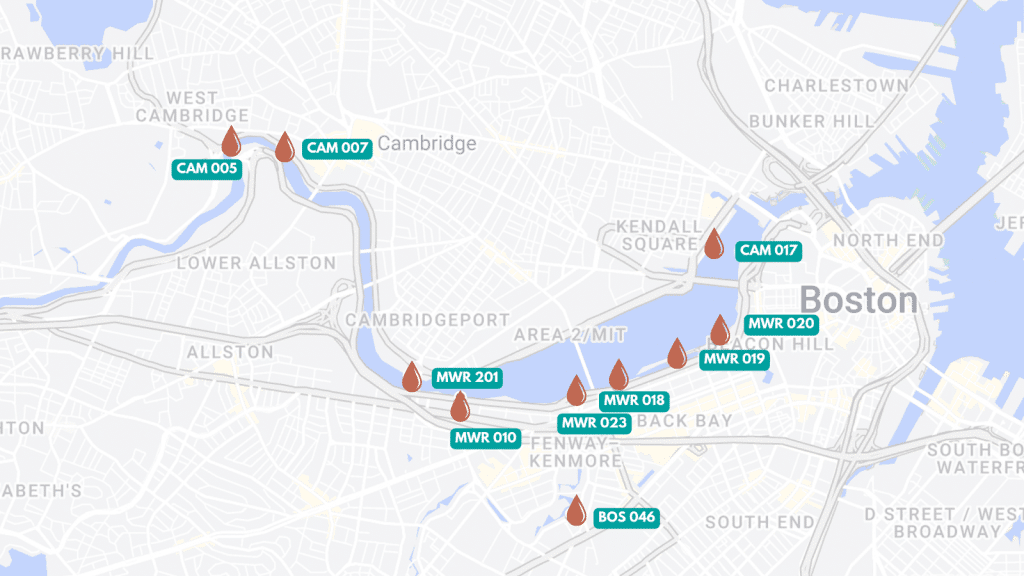
The proposal put forth on Feb. 4 before the MWRA Board of Directors would mean that some sewage overflows into the Charles caused by rainstorms with over three inches of precipitation would be diverted into storage tanks that would partially separate the sewage and stormwater.
The plan would create an additional $43 of yearly costs for each MWRA ratepayer by 2050. According to calculations by CRWA, a plan that completely eliminates sewer leakage would cost an additional $125 per ratepayer.
According to CRWA senior communications director Stefan Geller, the effects of combined sewage overflow most likely will not be felt upstream in Waltham, as all the overflow sites are in Cambridge and Boston. However, in order for people to swim in the Charles, all combined sewage overflow into the river will need to be eliminated.
The CRWA’s Cut The Crap campaign, launched in April 2025, aims to create public awareness around sewage in the Charles and put pressure on the MWRA and the City of Cambridge to address the issue. The deadline for submitting a preferred project option for addressing combined sewage overflow is April of 2026, extended from the end of 2025 due to public pushback on the initial plan.
Author