Auditor’s Office says city is on budget halfway through the fiscal year
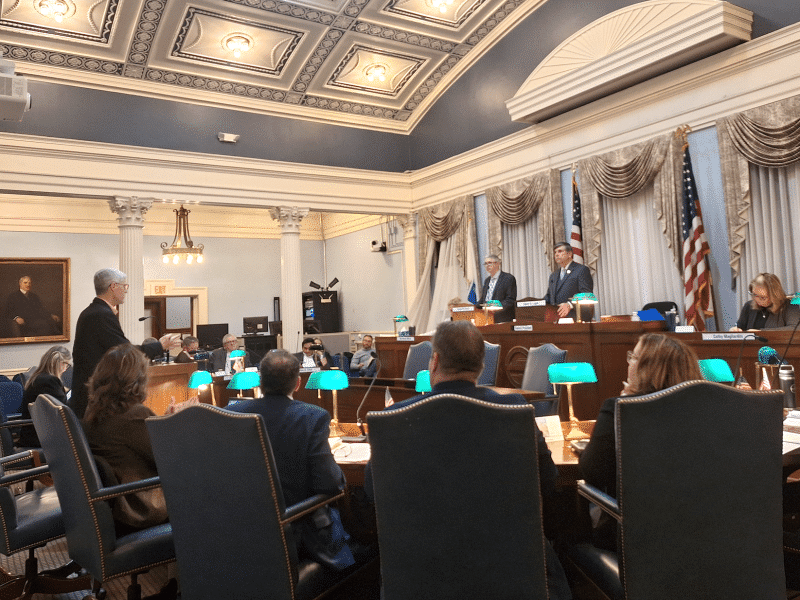
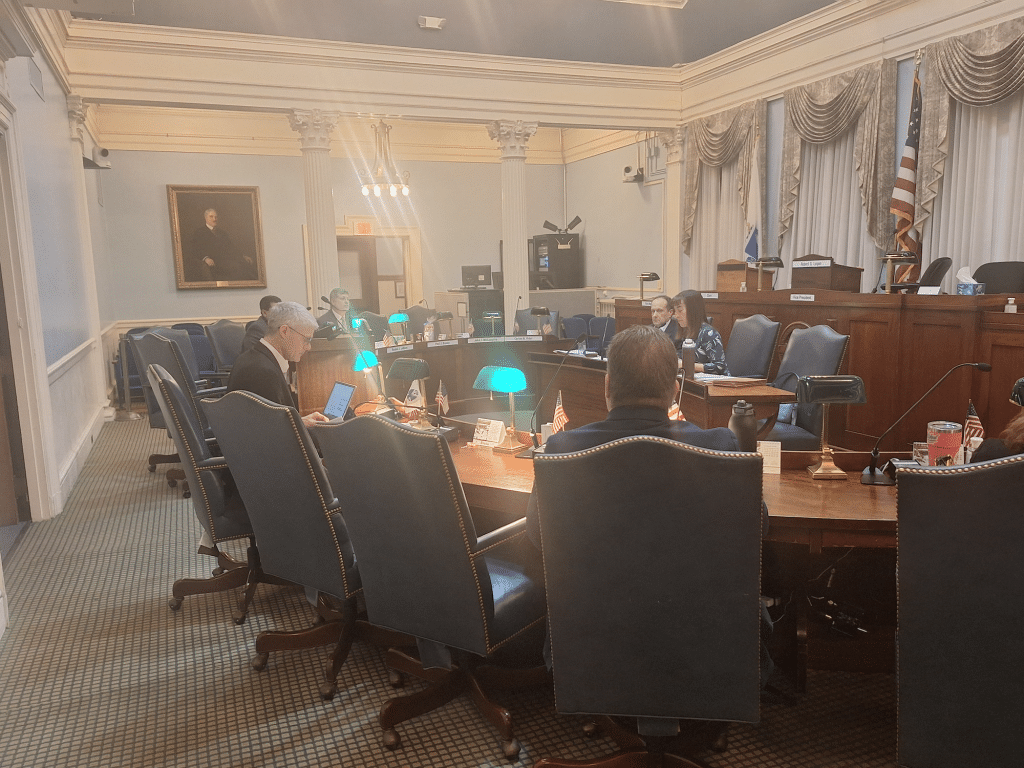
Assistant City Auditor Laura Doane told the City Council’s Finance Committee on Tuesday that the city’s revenues and expenses have stayed approximately on track with its budget so far this fiscal year.
Waltham’s fiscal year begins in July, and the City Council votes on its budget in June. By council rules, it is required to hold a midyear budget review hearing in February.
Doane said that the city’s revenue streams have nearly all reached the halfway point of the amounts in the budget. A few items, such as motor vehicle excise charges, which receive a larger share of their revenues in the spring have not yet reached that 50% mark. Others, however, have produced more revenue than expected. For example, revenue from liquor licenses and one-day liquor permits for events has already surpassed what the city predicted for the year.
Similarly, the city collected more than three times as much as it had predicted for its marijuana tax revenue for the year, the first year it has collected this tax; the city took in $15,459 to date. Doane said she isn’t sure the city’s fiscal year aligned with the opening schedule of the dispensary, but that this figure represents only the first quarter of the city’s tax earnings from the dispensary.
Doane said the majority of departments’ spending so far has fallen within 40-60% of their yearly budgets, although some saw slightly higher or lower spending because of the timing of some of their expenditures.
The city’s Information Technology Department, for example, was significantly above the halfway point of its spending because it purchases all the city’s software licenses at the beginning of the year; on the other side, the Recreation Department has spent less of its budget because many of its expenses come from its spring programming.
One of the city’s major financial projects is its Other Post-Employment Benefits fund, which pays for the medical insurance of retired employees.
Doane said this is a relatively new program. Between regular budget allocations and employee contributions, Doane estimated the city put between $23 million and $24 million toward the project this year, but the city requires a total of approximately $600 million to operate these benefits for retired employees without taking on debt.
Doane predicted Waltham would not be able to reach that $600 million until 2032 but said it was making good progress. “It’s going to take a long time to get to that same level where we are with retirement. Medical insurance is very expensive,” she said.
Meanwhile, the city has been chipping away at some of its debts.
Ward 1 Councilor Anthony LaFauci pointed out that the city has paid off some of its bonds issued for school construction projects and that the city projects it will pay off construction costs for the Fitzgerald and Whittemore elementary schools by 2028.
He also said the city has been steadily growing its “free cash” fund, which is where the city allocates unplanned revenue and unused money from other departments at the end of the year to use as an emergency fund.
Ward 6 Councilor Sean T. Durkee pointed out that the fact that Waltham has money available to spend through the free cash fund contributes to the city’s high bond rating
Author