
Native gardens give pollinators the habitat they need
Waltham’s Meadowscaping for Biodiversity hosted a “Cherry Pie and Butterflies” gathering last week at McDevitt Middle School to show how native plants support a healthier environment.
Led by director Barbara Passero, the event highlighted how replacing traditional lawns with native plants can create better habitats for butterflies, bees and other pollinators. These insects play an important role in growing many of the foods people rely on. Passero has been creating native gardens in Waltham for more than 10 years.
“All flowers and plants aren’t the same,” she said. “Native plants like milkweed, asters and sunflowers are especially important because they help pollinators thrive and keep our local environment healthy.”
Small changes at home can make a real difference across Waltham, according to Passero. Planting native gardens will improve soil and reduce the need for watering, making them a low-maintenance option for homeowners. They don’t require pesticides like other flowers or grasses.
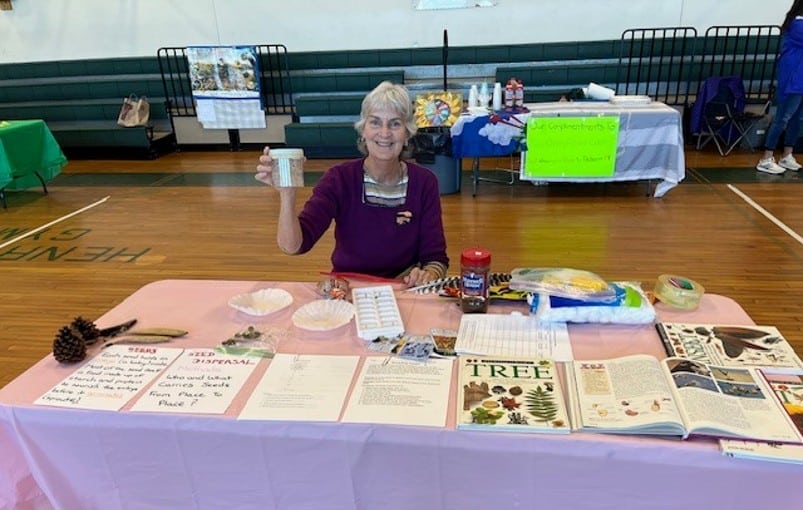
Educator Sandra Locke hosted a seed table where attendees could learn about native plants and take seeds home to try planting themselves. She also talked about how seeds naturally spread and grow in new places, helping keep flowers blooming through the seasons and giving pollinators steady food sources.
The day ended with a cherry pie-making activity, tying the importance of pollinators and native plants to something familiar and fun.
Meadowscaping for Biodiversity engages many young people in Waltham through events at elementary schools and the Waltham Boys & Girls Club to teach children about native species.
Author






Comments (0)
There are no comments on this article.