Healey’s Ride Safe Act would set speed‑based rules for e‑bikes, mopeds and scooters
Gov. Maura Healey has filed legislation that would create a first‑in‑the‑nation, speed‑based system for regulating e‑bikes, scooters and mopeds in response to rising safety concerns on Massachusetts roads, sidewalks and paths. The proposal, dubbed the Ride Safe Act, echoes warnings raised in a December Waltham Times report that electric two‑wheelers are outpacing existing laws and putting young riders and pedestrians at risk.
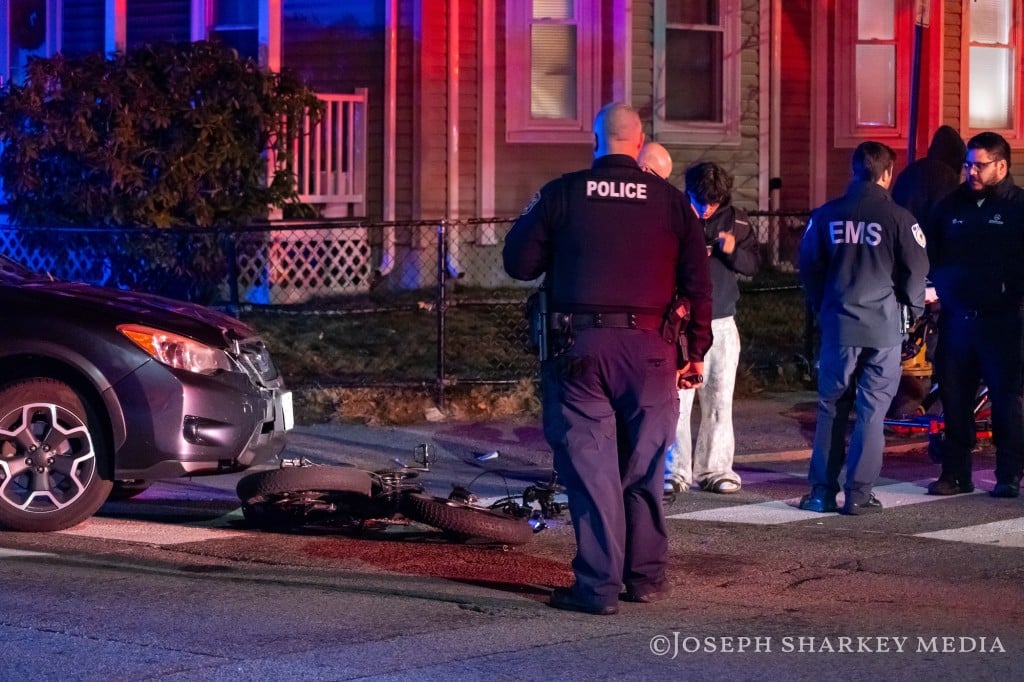
Filed May 4, the Ride Safe Act aims to clear up confusion about where electric two‑wheelers belong and what safety standards should apply as the devices proliferate across the state. Healey said current rules are “unclear and inconsistent” and that the bill is intended to “protect people and prevent tragedies before they happen” by spelling out clear expectations for riders and law enforcement.
Under the proposal, micromobility devices would be regulated primarily by how fast they can go rather than by their marketing label. State officials say the bill builds on recommendations from the Special Commission on Micromobility convened last year and would position Massachusetts as a national leader in regulating these vehicles.
The legislation would sort devices into tiers based on speed, with lower‑speed e‑bikes generally treated like bicycles and higher‑speed machines facing stricter rules. Lower‑speed e‑bikes would follow bike lane rules but be subject to helmet requirements and added protections for riders under 16. Faster devices, such as moped‑like bikes and modified machines, could only be ridden by people 16 and older and would require registration, insurance and specific roadway restrictions.
Across the board, the bill would codify safety standards that include minimum age requirements for certain devices, helmet mandates (especially for riders under 16), and equipment such as lights, reflectors and effective braking systems. It would also tighten rules about where different devices may operate, limiting higher‑speed vehicles in areas where pedestrians and slower traffic are most vulnerable.
Enforcement, data and local impacts
The Ride Safe Act is designed to give police clearer authority to stop and penalize unsafe behavior, including the use of modified or illegally powerful machines that can exceed manufacturer speed limits. It calls for improved crash data collection even when a motor vehicle is not involved, closing a reporting gap that safety advocates say makes it hard to understand the true scope of e‑bike and e‑scooter injuries.
The bill would also give the Registry of Motor Vehicles power to respond more quickly to new technologies without waiting for additional legislation, and it would establish a statewide working group to advise on future rules for registration, enforcement and infrastructure. Transportation and public safety leaders, along with municipal officials from communities across the state, have endorsed the approach as a way to reduce confusion and design safer streets and paths.
The proposal arrives less than six months after The Waltham Times published an Ideas column in which the author, John Allen, asserted that electric two‑wheelers present “a public safety crisis,” highlighting crashes, near‑misses and unsafe riding on city streets and the Mass Central Rail Trail.
Author