
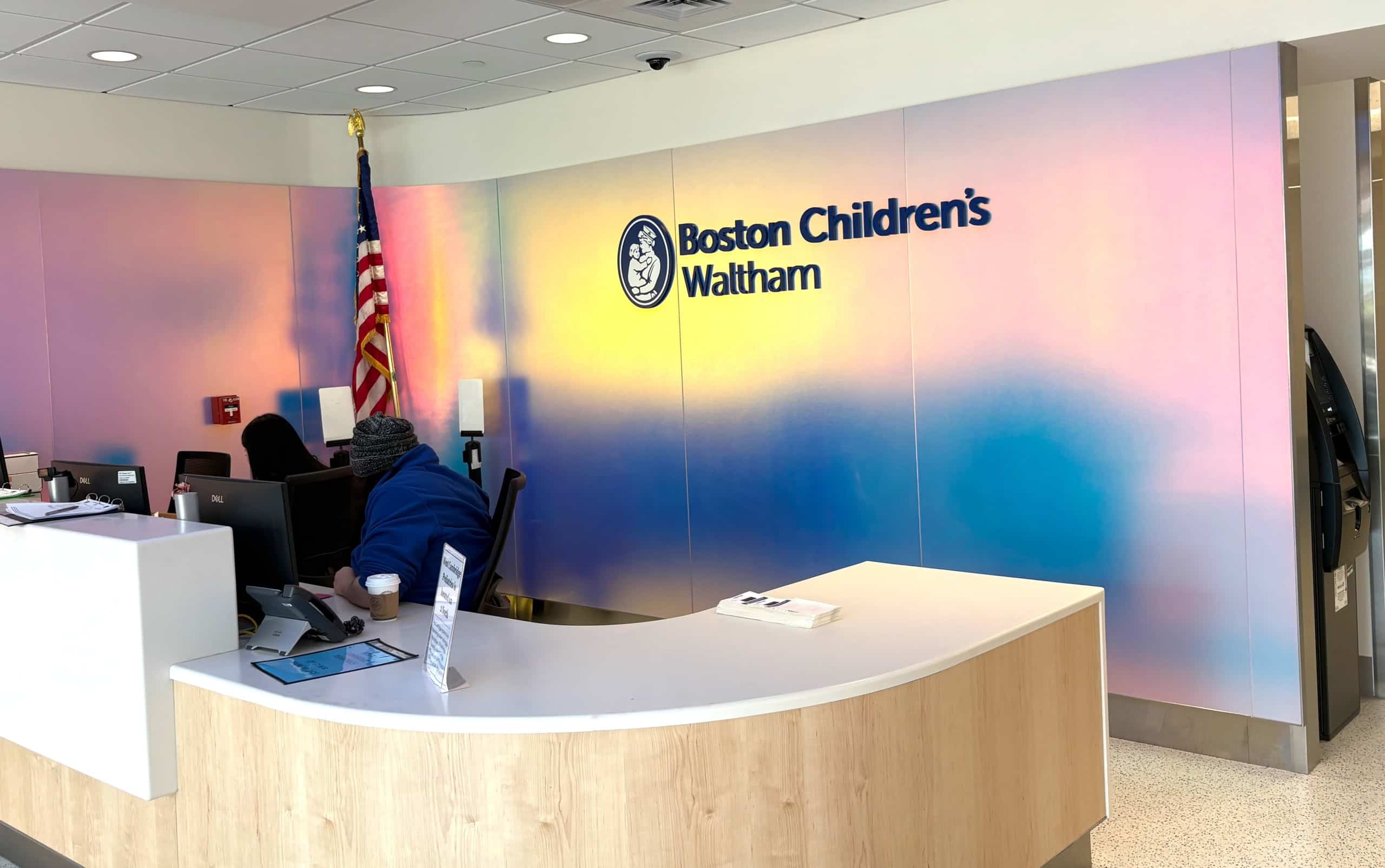
For more than a century, Waltham Hospital was the medical backbone of the city. Founded in the 1880s, the 159-bed facility was one of the first community hospitals in the nation, and was where generations of Waltham residents were born.
But in 2003, following a dwindling patient count and a hemorrhage of costs, it closed for good. Despite an emergency state aid package and the board’s battle to stay open, the hospital was unable to sustain its own volume. It left a void where consistent, local medical care was once offered.
Though various tenants took over certain operations of the hospital, a permanent host eluded the lot.
That was until Boston Children’s Hospital stepped forward, expanding its flagship Boston operations to 9 Hope Ave. in Waltham. The institution acquired the site in 2004 and opened the following year. Over 21 years, the Waltham satellite has grown into the largest and most comprehensive of the hospital’s eight locations outside Boston.
“After the closing of Waltham Hospital, our city faced a healthcare void,” said Ward 3 Councilor Bill Hanley, who toured the facility along with other city leaders in April. “Boston Children’s Hospital stepped in not only to provide world-class care for Waltham kids and families, but also to become a true community partner. BCH’s continued investment in social and behavioral health has made a meaningful difference, and I hope they remain in Waltham for generations to come.”
Gregory Hamann, director of operations for all eight of the hospital’s satellite locations, touted BCH’s offerings. “A lot of people in the Waltham community would be surprised at the level of services we offer,” he said. “It’s really a mini hospital.”
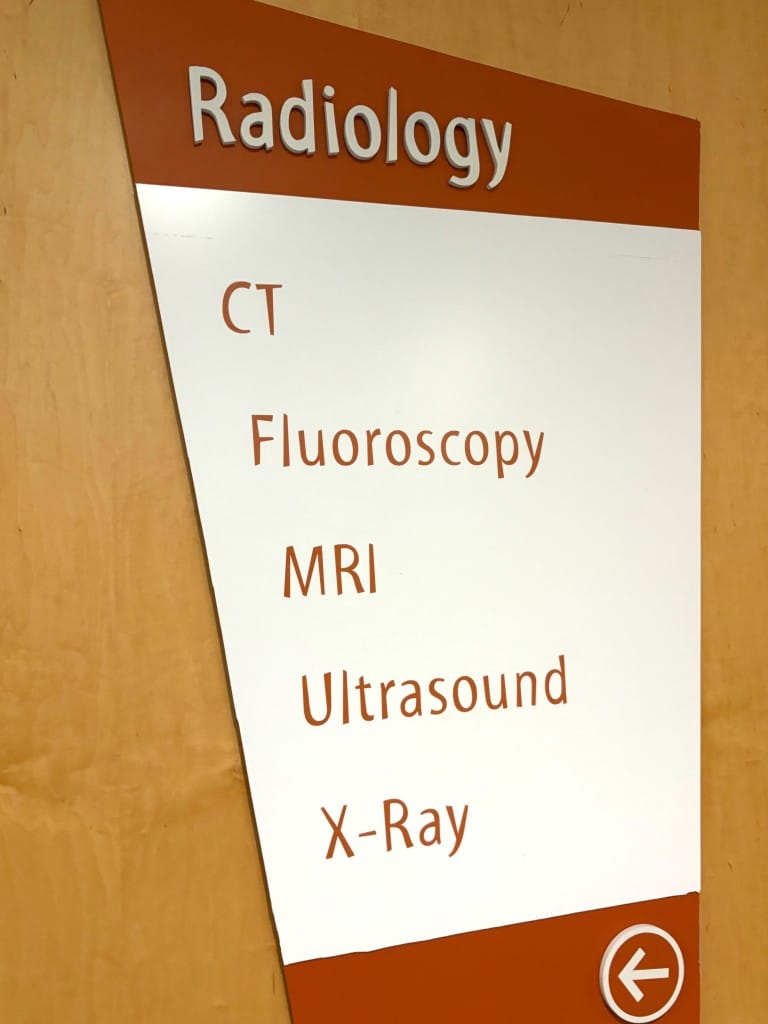
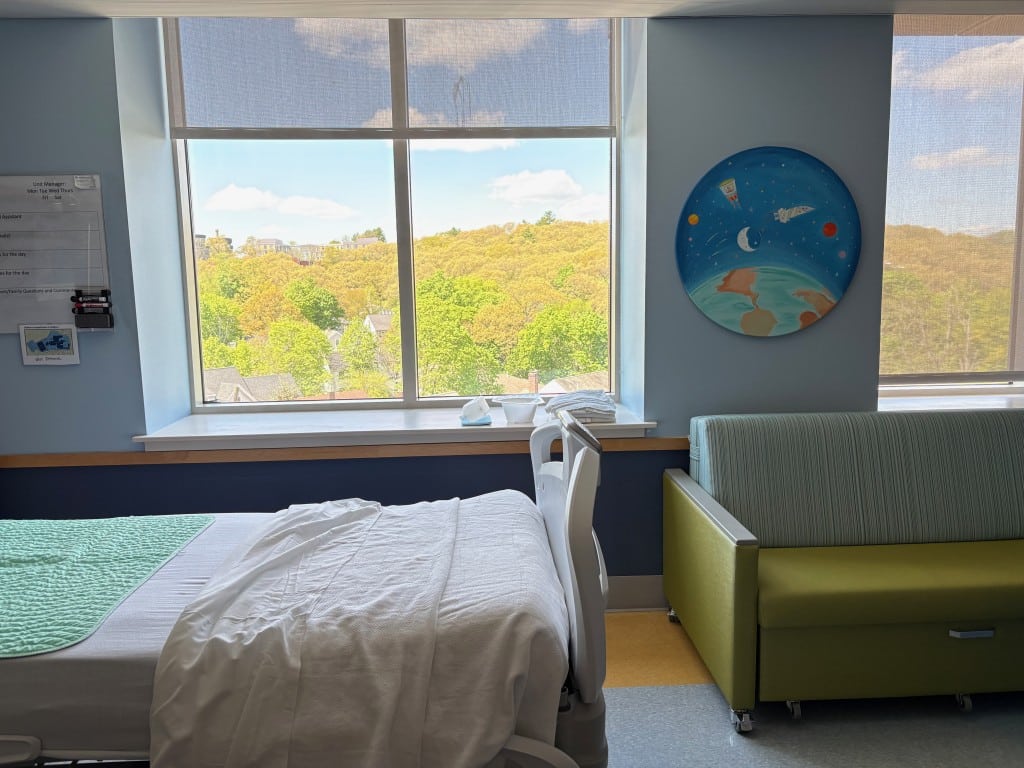
Boston Children’s Waltham is the only Boston Children’s Hospital location that offers full-service MRIs, CT scans and inpatient beds, he said. Every week nearly 700 patients visit their radiology department alone.
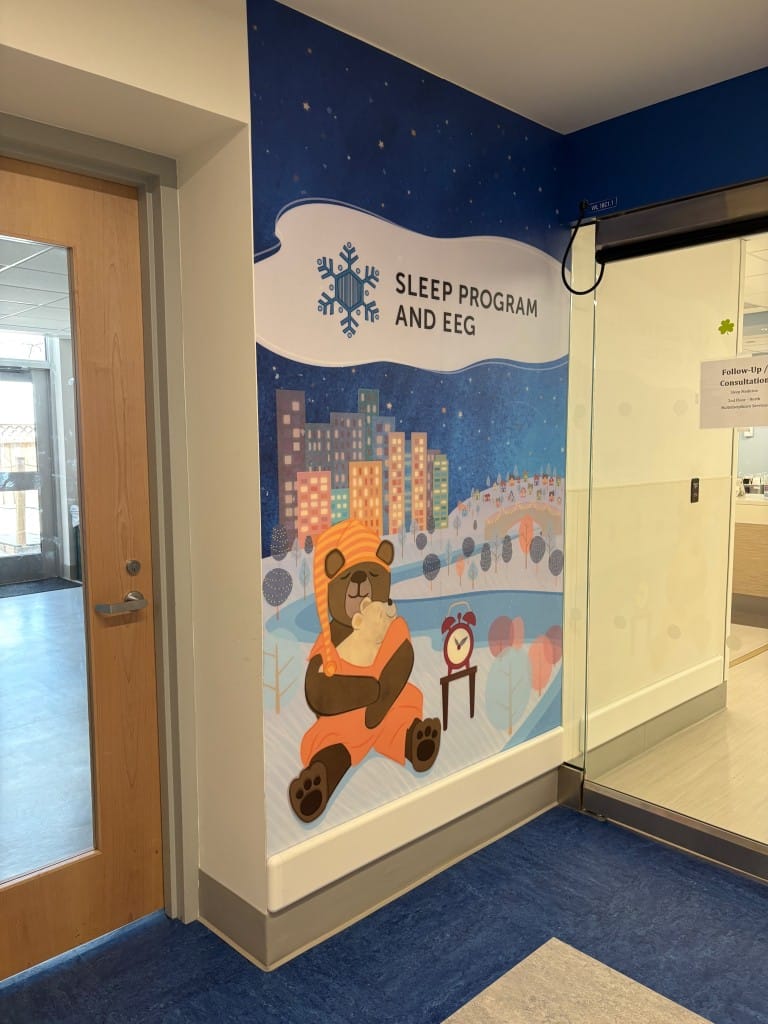
Specialties on-site include a sleep clinic, an ophthalmology department and an autism assessment center. The campus also houses an 11-bed surgical recovery unit and two inpatient psychiatric programs.
Smoothing the path to care
Two years ago, Boston Children’s Waltham expanded operations to a multidisciplinary clinic. Each day the clinic focuses on a single complex condition — spina bifida, cerebral palsy and muscular dystrophy to name a few — and coordinates all relevant specialists for a single appointment rather than requiring families to schedule separately. Patients come from across the country to access its care, which aims to anticipate the common struggles for parents of sick children to preemptively smooth the path forward.
Hamann acknowledged that not everything can be replicated at a satellite location. There is no urgent care, and some services require the resources housed at its main campus.
However BCH has kept the patient in mind when possible — blood is drawn in an onsite phlebotomy clinic and then couriered to Boston, for instance. In response to community feedback that wayfinding in the labyrinthian campus was too challenging, Hamann’s team color-coded the different wings in reds and yellows.
City Councilor-at-Large Tim King has watched the campus grow into a fixture of the city’s civic life. “Boston Children’s Hospital has proven to be a valuable addition to the Waltham community by providing specialized medical and mental health services to patients from the Metro West area, as well as having a positive economic impact by offering opportunities for Waltham residents seeking careers in the medical field,” he said.
After nearly 21 years in Waltham, Hamann said he hopes that relationship endures, and that more locals learn what’s already there. Off Prospect Street, the original historical entrance to Waltham Hospital still stands, preserved by Boston Children’s as a reminder of what came before. The site has changed hands, but its identity as a place where the community comes to heal has not.
Author

Comments (3)
Comments are closed.





as the last president and chairman of the board of waltham hospital, it pleases me to know that we were able to convince the children’s hospital to come to waltham. losing the hospital was a “major” blow to the community and we tried every possible scheme to preserve the institution. sadly the lack of community support in addition to the lack of interest in saving the hospital led to its demise. so sad.
anthony mangini
There is still a void in health care in Waltham. we need a hospital affiliated urgent care. Emergency room waits are ridiculous. they are clogged with non emergency patients who want care at a reputable Institution who can access their medical history. Closing of Waltham hospital remains a travesty it was a great community hospital. Newton Wellesley, Mt Auburn and Lahey ignore Waltham. yes there are offices and surgery near Costco. But we need a hospital based urgent care. Also was it not included in the documentation when the hospital closed that care ?
Children’s is great for Children in Waltham and surrounding communities, but there is still a void.
Thank you, that was a very informative article and heartening to know that Waltham houses this treasure!