
Girl Scout Gold Award Project adds biodiverse beauty to Prospect Hill
In response to the loss of native plants and pollinators worldwide, a Waltham Girl Scout installed a native plant garden at the Prospect Hill overlook as part of her Gold Award project.
A Gold Award is the highest achievement for a Girl Scout. To receive the award, a Girl Scout must independently complete an 80-hour project positively impacting their community.
Alaina Ferree, the architect of the native plant garden project, is a 2026 Waltham High School graduate and member of Girl Scouts of Eastern Massachusetts. She will attend the University of California, Berkeley this fall to study earth and planetary science.
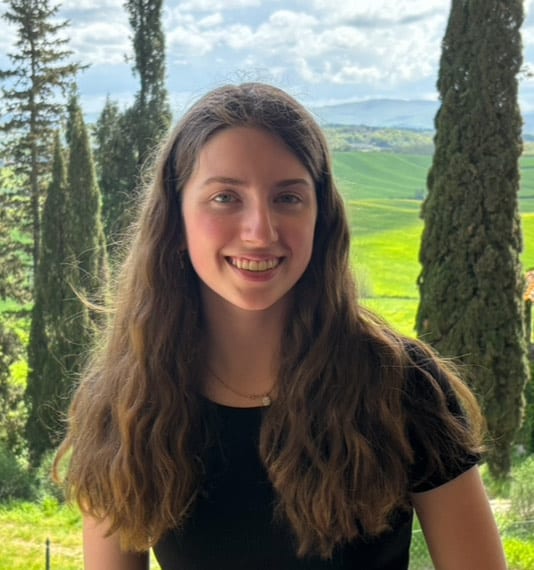
While the project was planned independently, its execution was very much a community effort. Working with volunteers, Waltham Park Ranger Adam Green and Waltham Public Library, Ferree completed a multi-stage program to install the garden and educate the community.
A passion for conservation
The idea for the native plant garden came from Ferree’s own passion for the environment and conservation.
“My project is about supporting biodiversity at a local level,” Ferree said. “A native flower garden is a good way to do that.”
Ferree spent time with Barbara Passero, owner of GirlMeadowscaping for Biodiversity, to learn about the installation, components and upkeep of native gardens. Passero donated the plants for the project and helped install the garden.
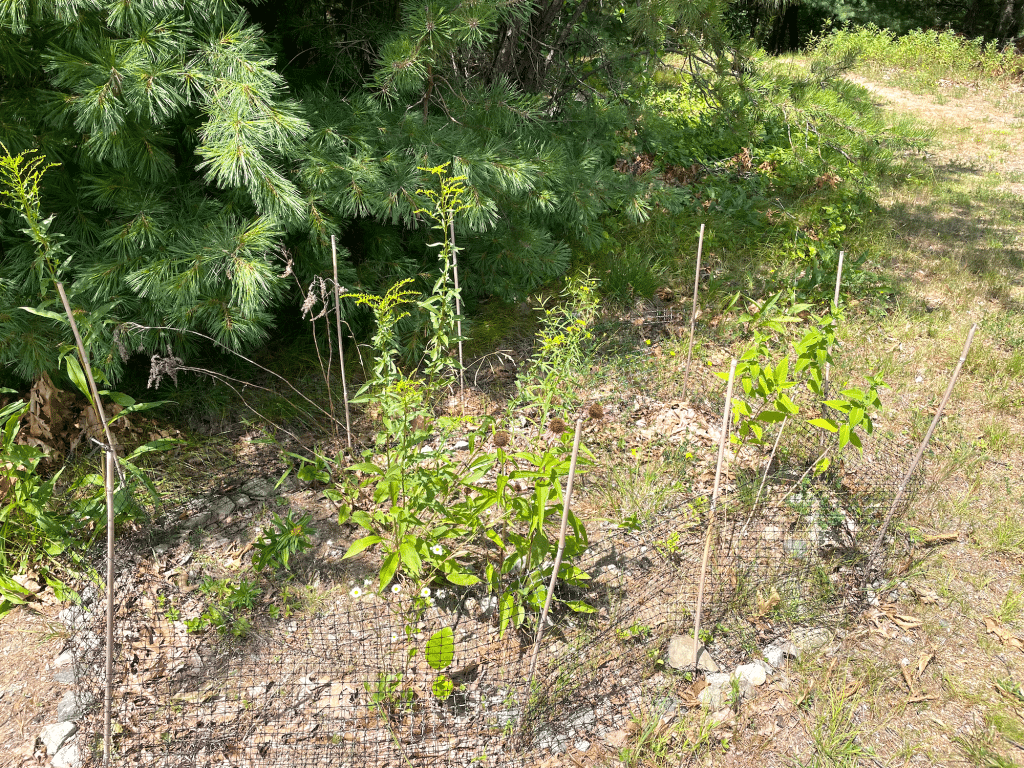
Amending the dry soil on the summit was the biggest hurdle to installing the garden. With an army of volunteers, Ferree was able to put in place both new soil and all of the plants. Some of the native plants included in the garden are butterfly milkweed, goldenrod, Joe Pye weed, wild aster and purple love grass.
In the first few months, Ferree and her friends brought water for the garden, but haven’t watered the garden since.
“The benefit of native plants is that they come back every year but don’t need maintenance,” Ferree shared.
Ferree notes that, with climate change bringing higher temperatures earlier in the year, the garden’s plant blooming cycle might not align with the pollinator life cycle. Despite this challenge, the garden still persists.
Library programs and long-lasting impact
While the lack of native plants and pollinators is a current issue, Ferree realized that generational awareness is needed to fully address the problem in the long term. To educate the next generation, she designed a program for children and their parents on the library’s front lawn to learn about pollinators and native plants. The program included planting a butterfly milkweed plant to take home, coloring pages featuring native flowers from craft supplies.
“It was interesting because the planting at Prospect Hill was an older audience, but with the kids, it was more about fun and trying to put topics on their radar,” Ferree said.
After completing her project, Ferree thought, “‘That’s so exciting, I made this impact, and now the project is over.’” However, her perspective changed when she attended the Gold Award Ceremony at the Girl Scouts of Eastern Massachusetts headquarters on Beaver Street.
Learning about other girls’ projects made her realize the longevity of her impact and that making change could be a part of her life, not just through the project, but in life going forward.
“It inspired me to keep going, and I can continue to do those types of things in the future,” Ferree said.
Those interested can visit the garden at the summit of Prospect Hill. There is no signage, intentionally, to keep the area as natural as possible.
Author

Comments (2)
Leave a comment
When commenting, please keep in mind we are a small non-profit focused on serving our community. Our commenting policy is simple:
- Common sense civility: we’re all neighbors, but we can disagree.
- Full name required: no anonymous comments.
- Assume the best of your neighbors.



As a Girl Scout Gold Award recipient and a hiker who is interested in gardening and native plants, I love this! Congratulations to Alaina for a job well done, and I look forward to seeing this garden next time I’m at Prospect Hill.
This is awesome! Prospect Hill is such a gem, and seeing it made even more vibrant with native planting is fantastic. Thank you for using your Gold Award project to make a real, lasting impact right here in Waltham!
see