
Native flower gardens bloom across Waltham, bringing many benefits to the ecosystem
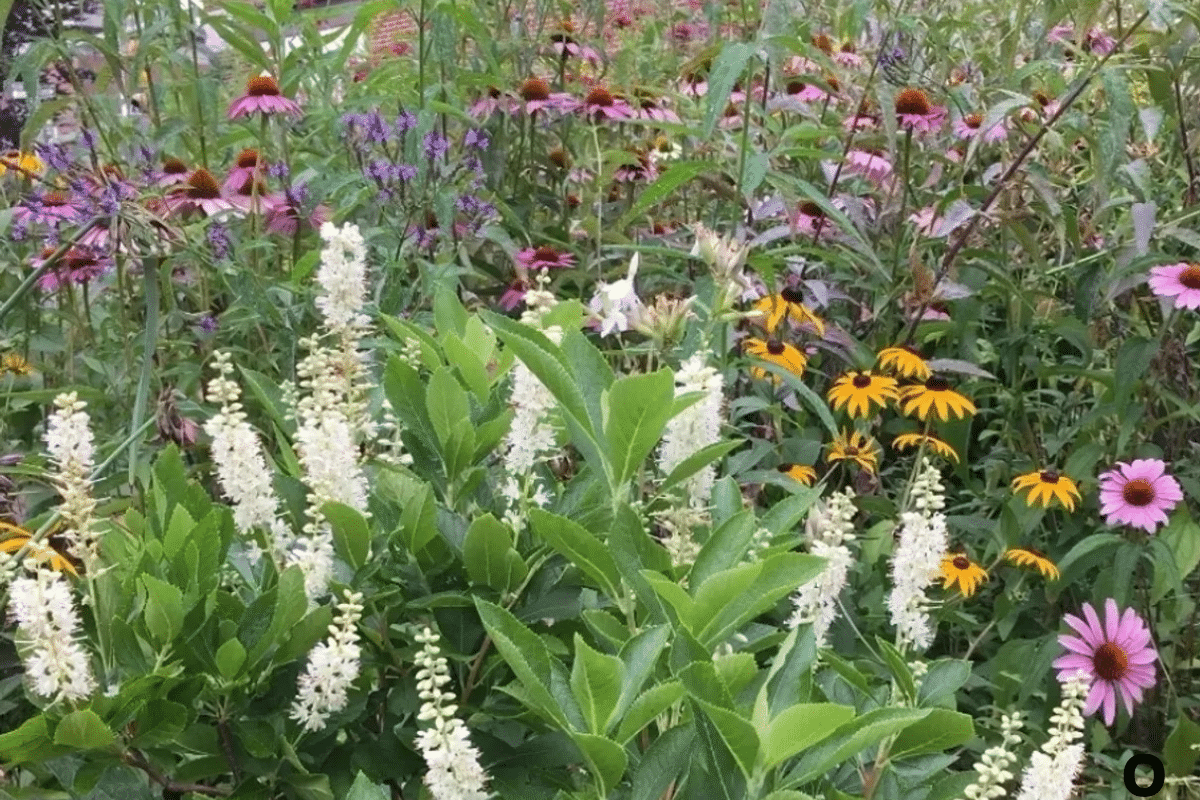
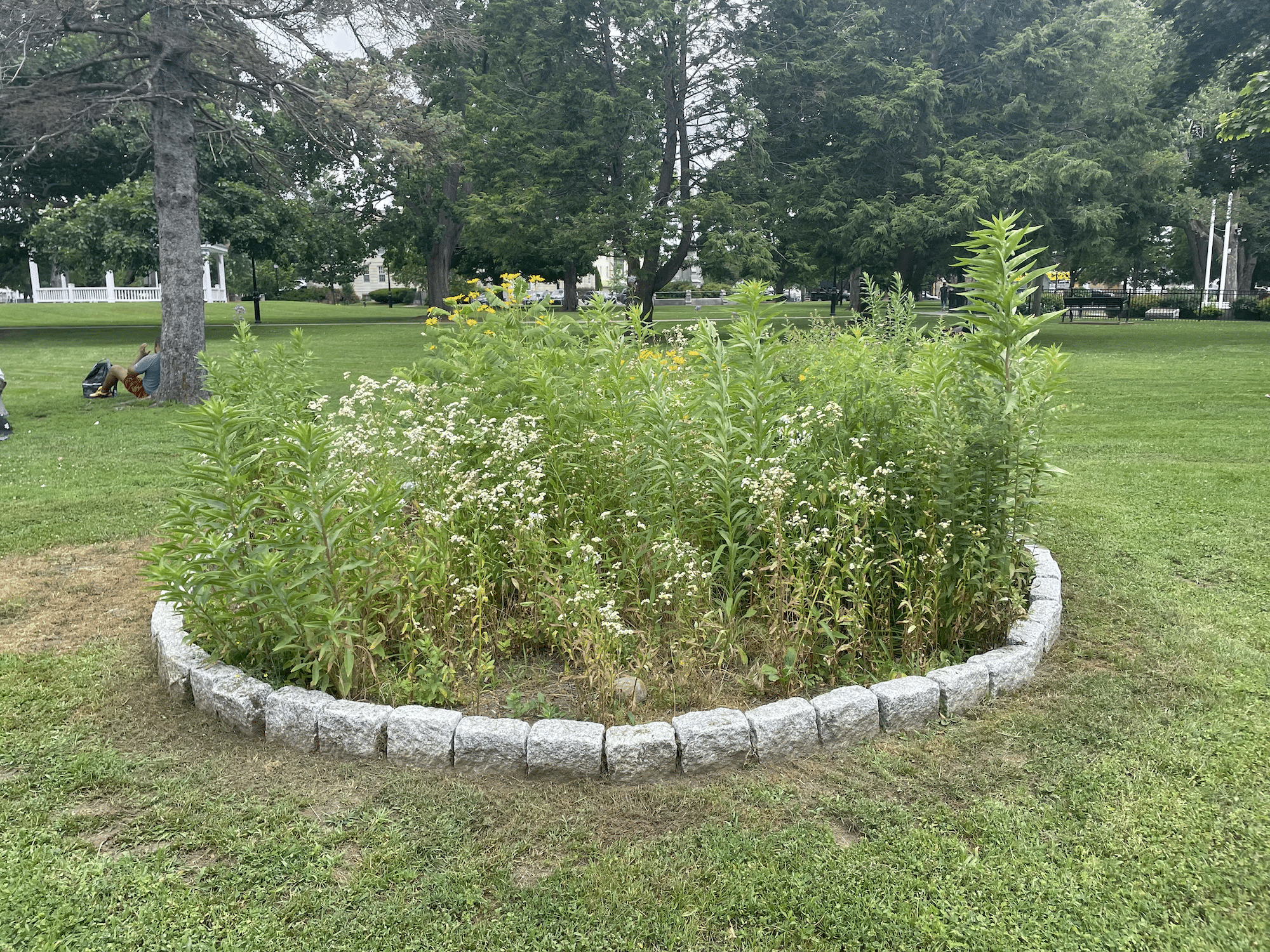
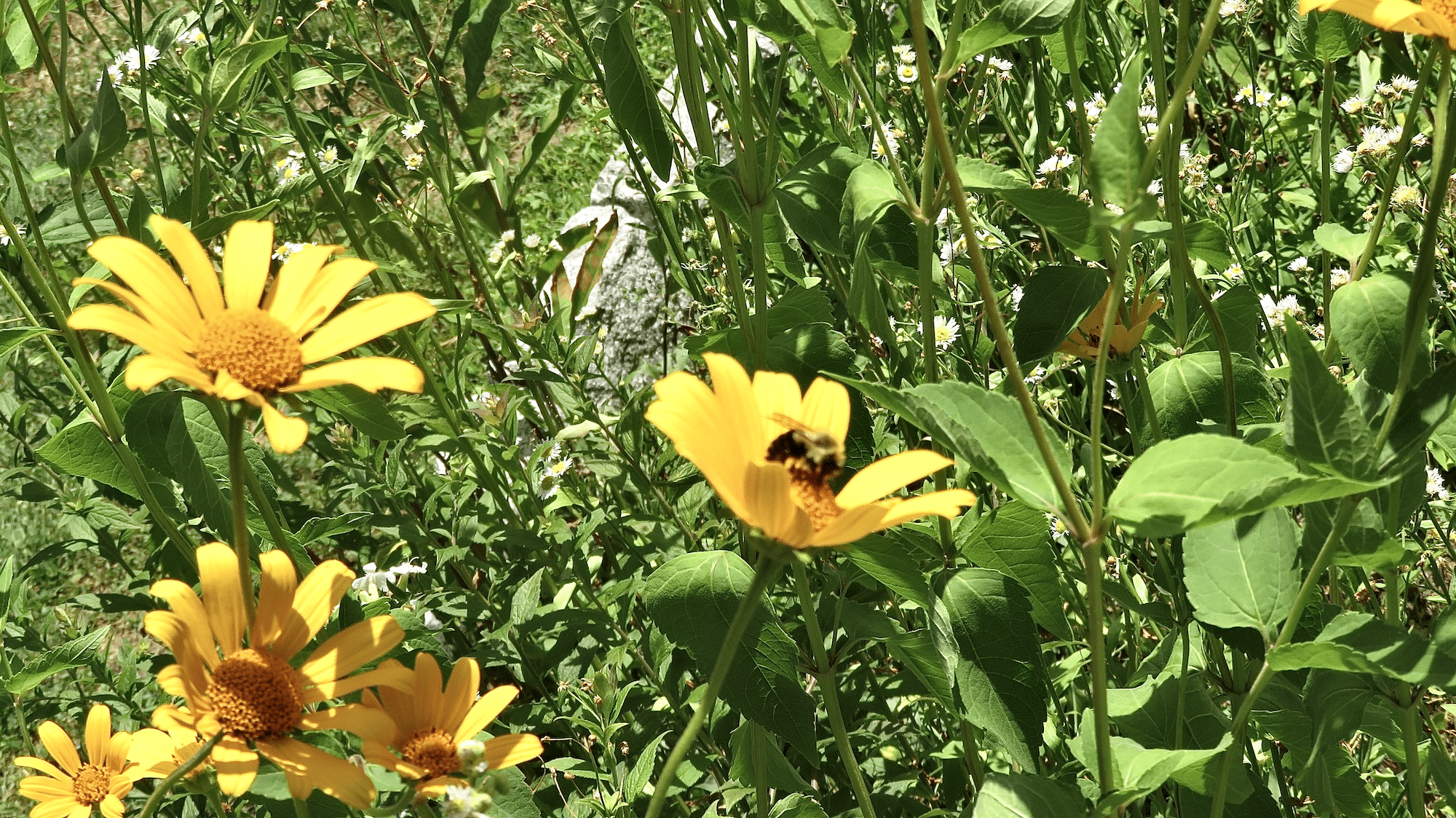
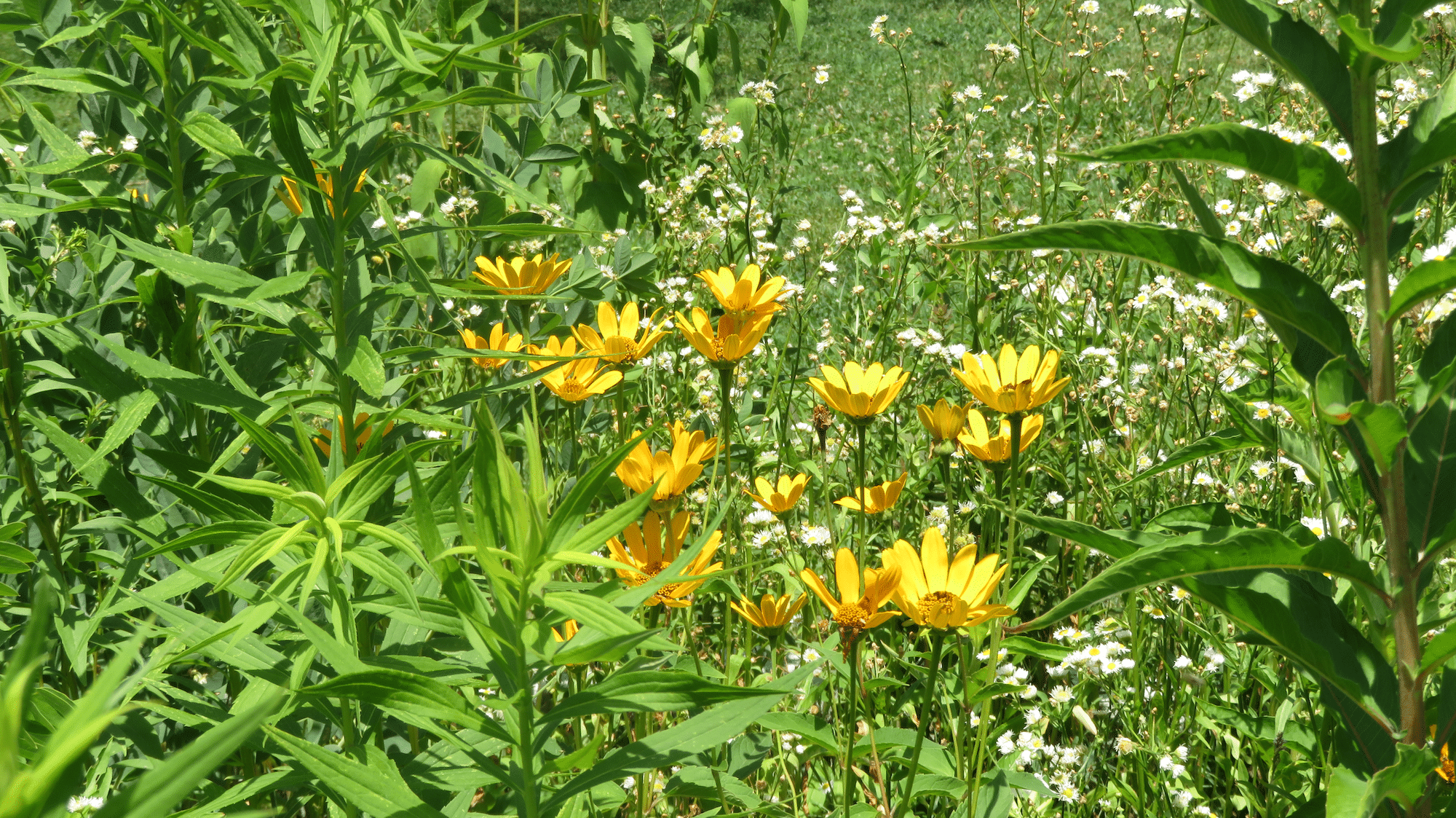
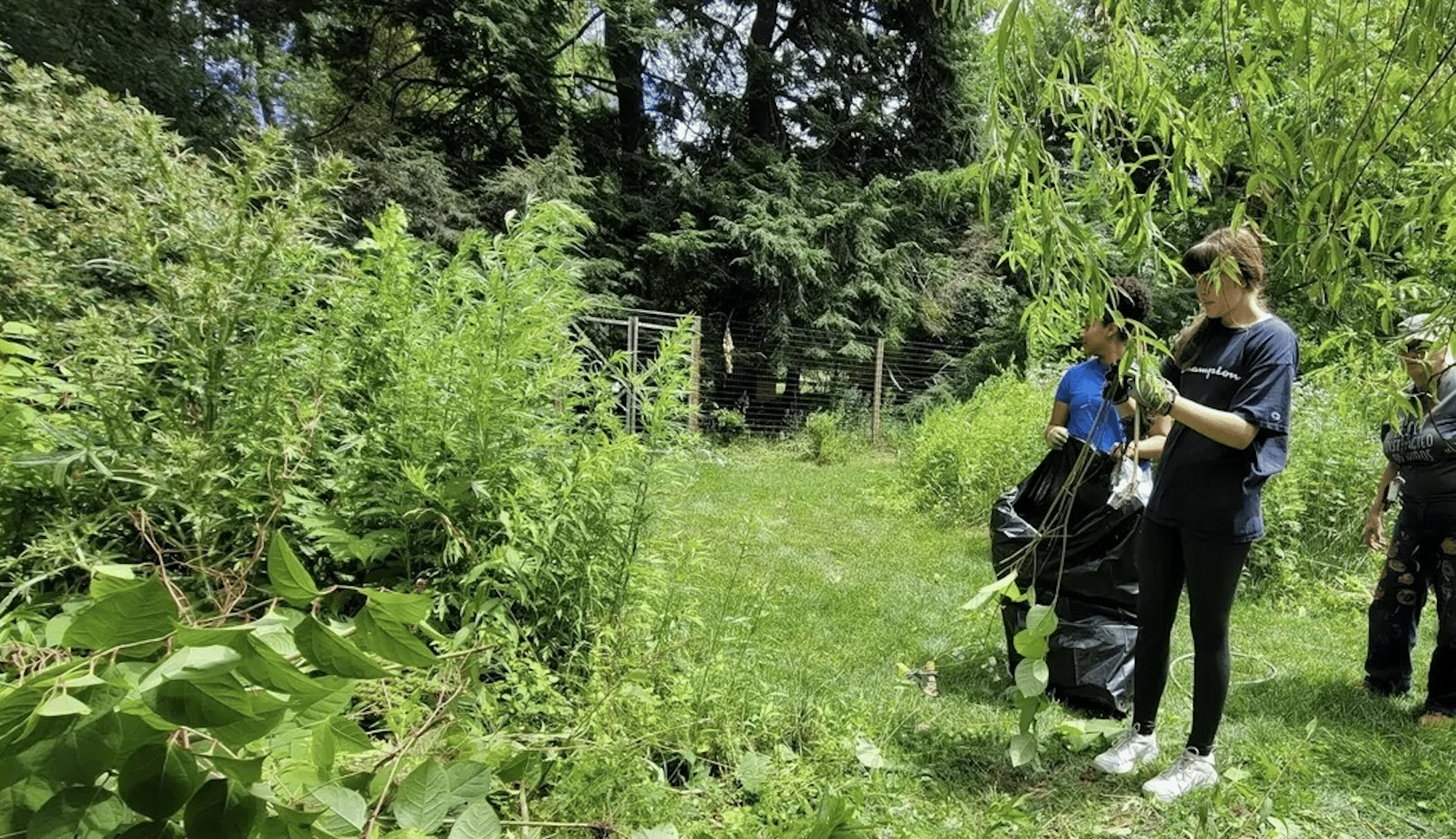
Barbara Passero has been planting native gardens in Waltham and surrounding communities through her company, Meadowscaping for Biodiversity, for more than 10 years, with a primary goal of restoring pollinator habitats.
Pollinators such as butterflies and bees are essential for biodiversity, adapting to climate change and pollinating food crops for humans.
However, their numbers are plummeting in New England. Since 2000 butterfly populations have declined by 22%, according to Science Magazine. The Bee Informed Partnership estimates that bee populations have declined by more than 40% in the past 15 years.
Passero and her team have come to their aid. They provide habitats for pollinators by planting gardens filled with native plants such as milkweed, aster, red columbine and sunflowers. Residents can see these gardens at the Waltham Common, First Parish Church and the Charles River bike path.
This work is critical for the pollinators’ survival.
“[Native flowers] are the only plants that can sustain native pollinators,” Passero said, explaining that pollinators such as bees, butterflies and hummingbirds rely on native plants for both habitats and food.
Human preferences for lawns and non-native plants, together with a warming climate, combine to spread invasive species to the detriment of native plants that support pollinators.
Native plants offer numerous benefits
Passero said humans receive numerous benefits from pollinators. Fruits, vegetables, nuts and seeds all require pollination. By supporting pollinators, native plant habitats can benefit nearby farms and help feed local communities.
Native gardens require less maintenance than typical lawns, Passero added.
“[Native plants] don’t require pesticides like other flowers or grasses,” she said. In addition, native plants have deeper roots and can soak up more rainwater so they require less watering and reduce the risk of floods.
The landscaping team buys the plants at the Native Plant Trust in Framingham and plants them in public and residential areas.
After Passero and her team establish perennial plants, they bloom each year. The plants don’t need extensive care because they are accustomed to New England’s climate and can withstand harsh events such as droughts and fires.
Passero also removes invasive plants from the gardens. These are non-native plants that can crowd out other plants and harm other species by taking natural resources, transmitting diseases or altering habitats. Bittersweet is a common invasive vine that suffocates trees and is toxic to both humans and animals. Honeysuckle, an invasive bush that shades out other plants, has poisonous berries. These invasive plants are able to spread rapidly and reduce biodiversity because native predators cannot control the populations.
Despite such problems, Passero said that “it’s hard to convince people that they should give up their grass.”
Growing knowledge
Passero also wants to cultivate knowledge in the next generation.
Meadowscaping for Biodiversity engages many young people in Waltham through events at Plympton Elementary School and the Waltham Boys & Girls Club that teach children about native species.
Passero also employs local high schoolers, who have found the work informative. “Working at Meadowscaping for Biodiversity was such a unique and important experience,” said Avery Bross, a former high school student employee. “It’s a process that teaches patience, resilience and the simple pleasure of watching life unfold.”
Author

Comments (3)
Comments are closed.
Related Articles

Waltham Connections focuses on inclusion for growing senior population
Waltham Connections for Healthy Aging is helping the city’s growing senior population age with independence, dignity and stronger community ties.





Alaina , thank you for covering Barbara’s work and the irreplaceable role of local plants in ecosystems
It is so wonderful to read about this critical initiative to support native plants and thus pollinators in our community!
Thank you to Alaina of the Waltham Times for highlighting this company and the important work they do.
I’m the owner of Green Urb Gardens and we do similar work in residential gardens in Waltham and the surrounding neighborhoods. It’s great to know there are more and more people who really care about supporting our local habitats and ecosystems. Every little garden we can plant helps!
My family has a beautiful pollinator garden planted by Barbara and her students three years ago. It’s amazing how it has flourished with minimal care and attracts countless bees and butterflies.