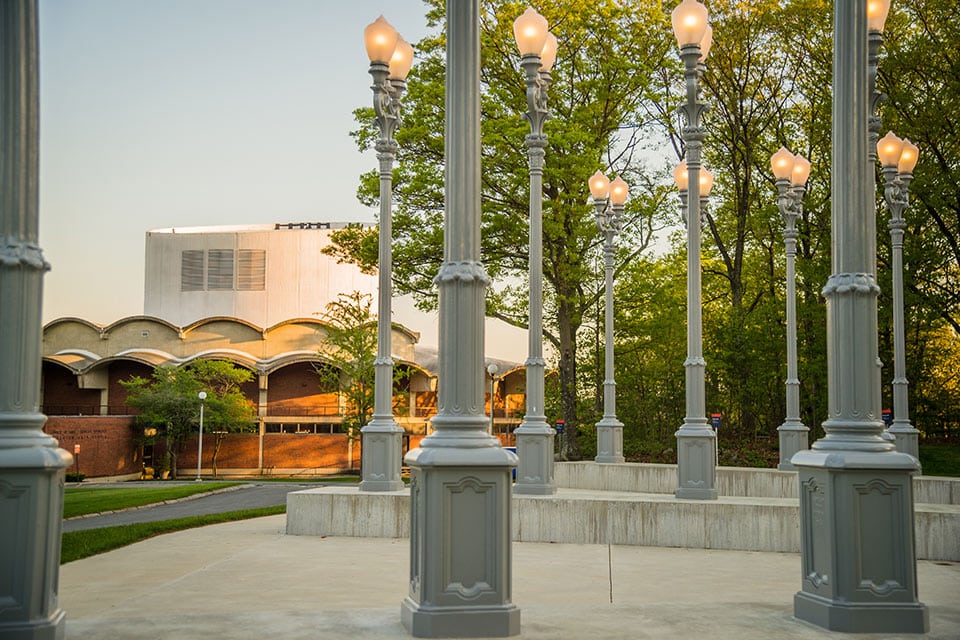
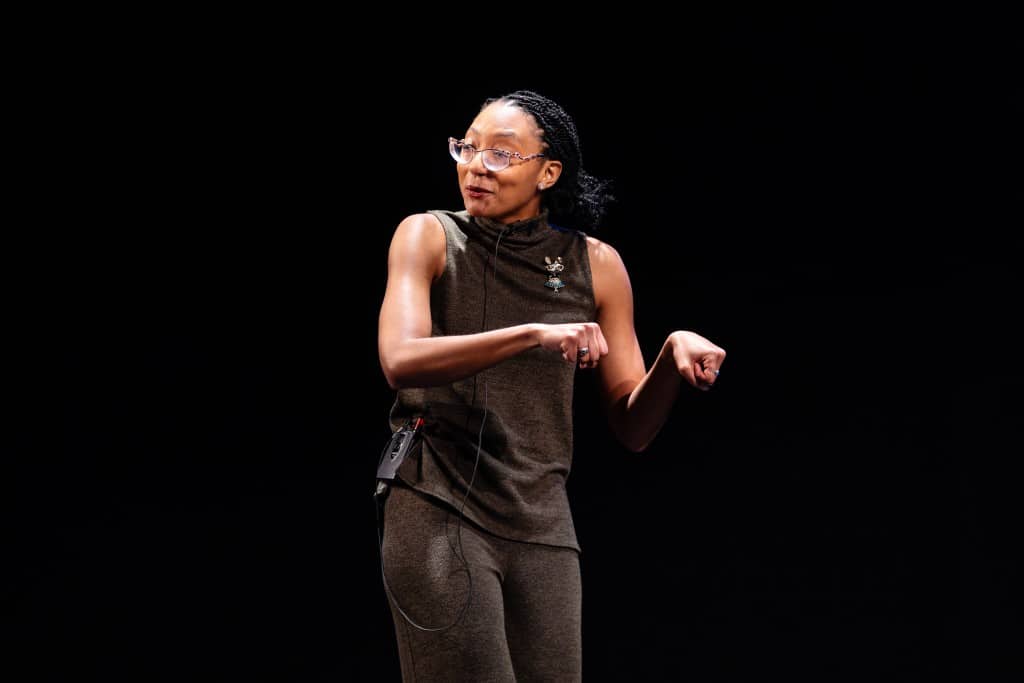
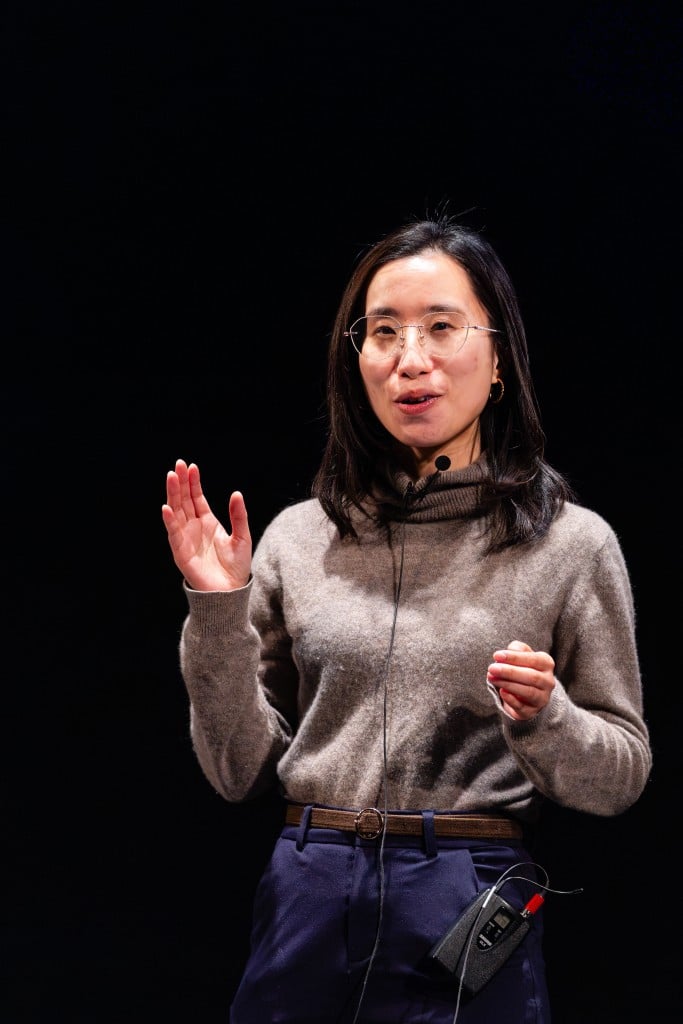
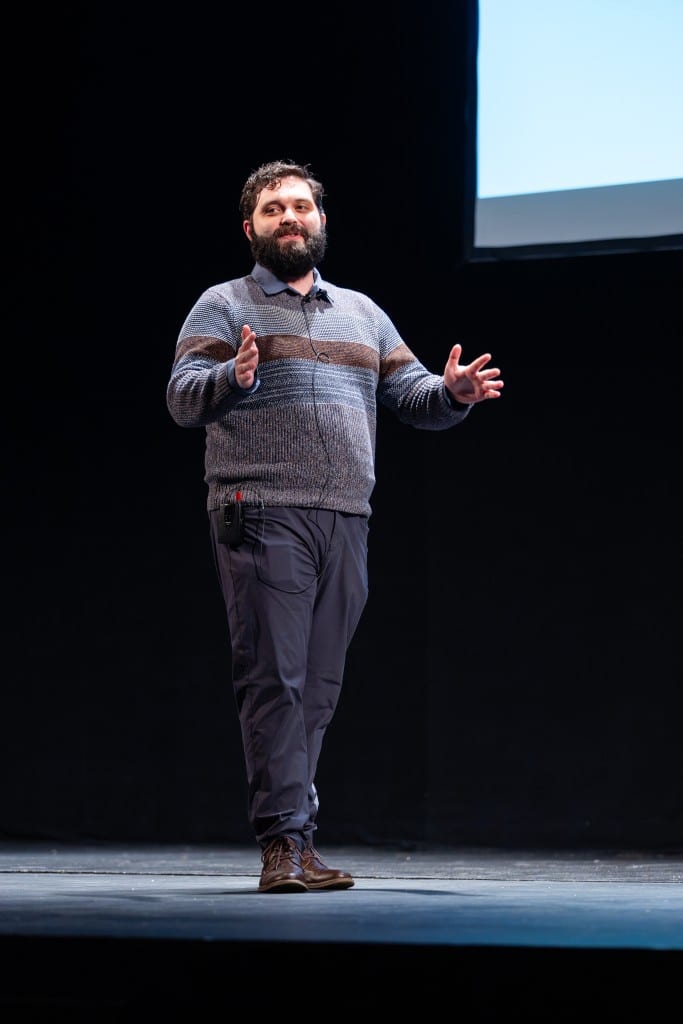
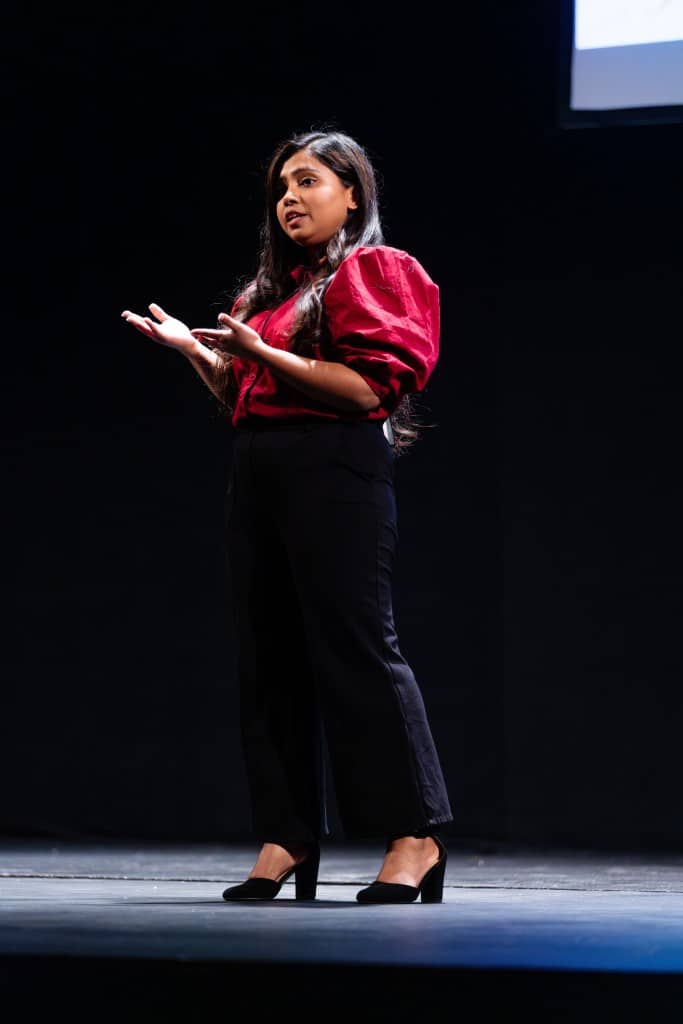
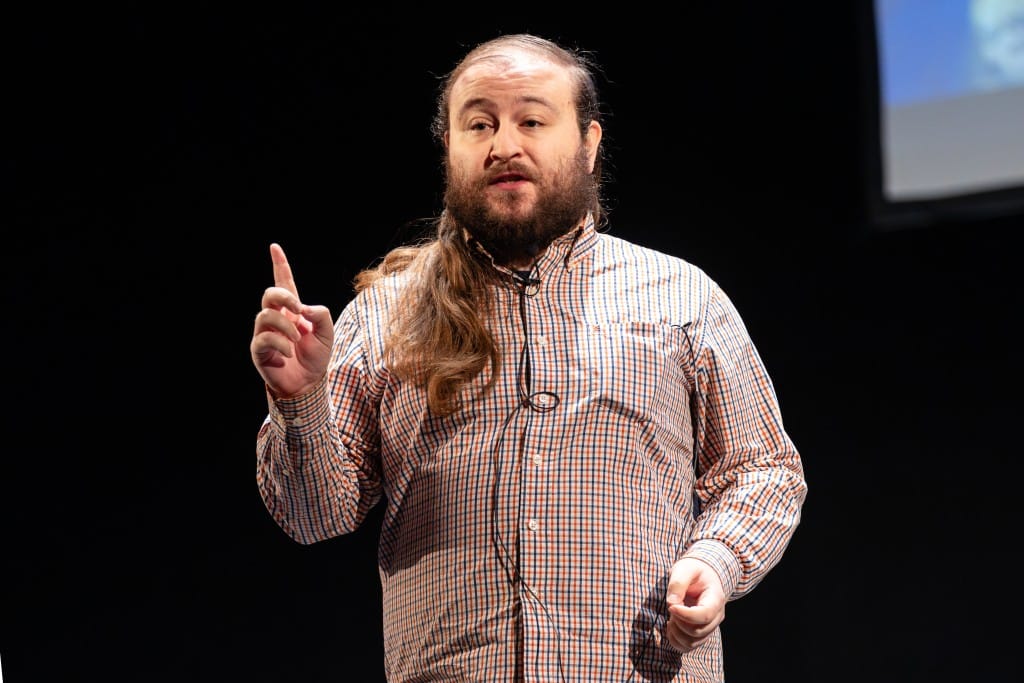
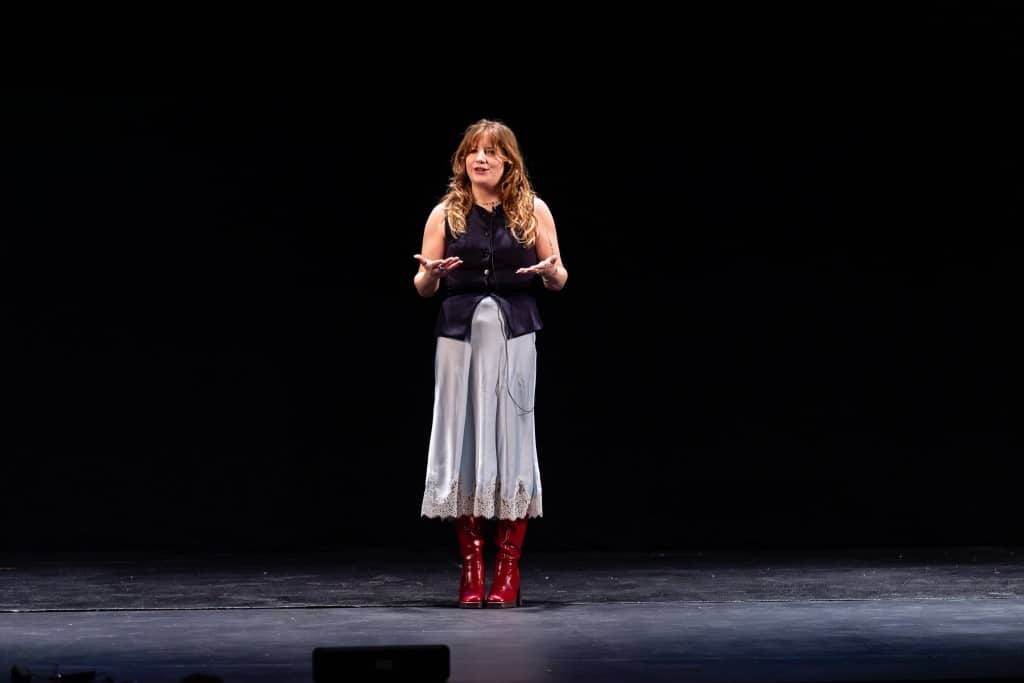
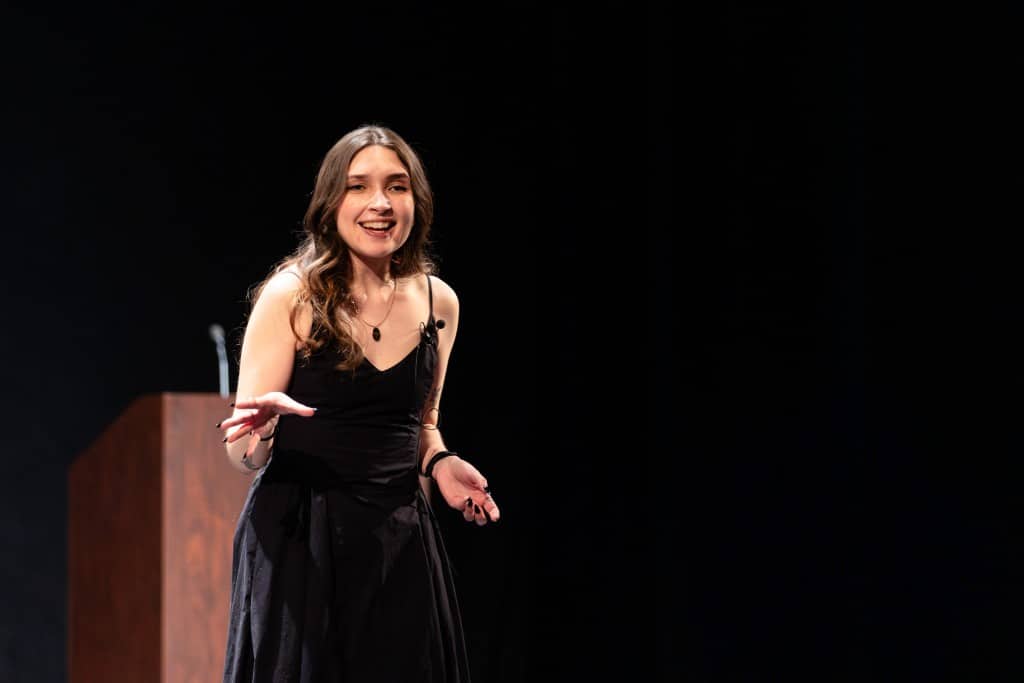
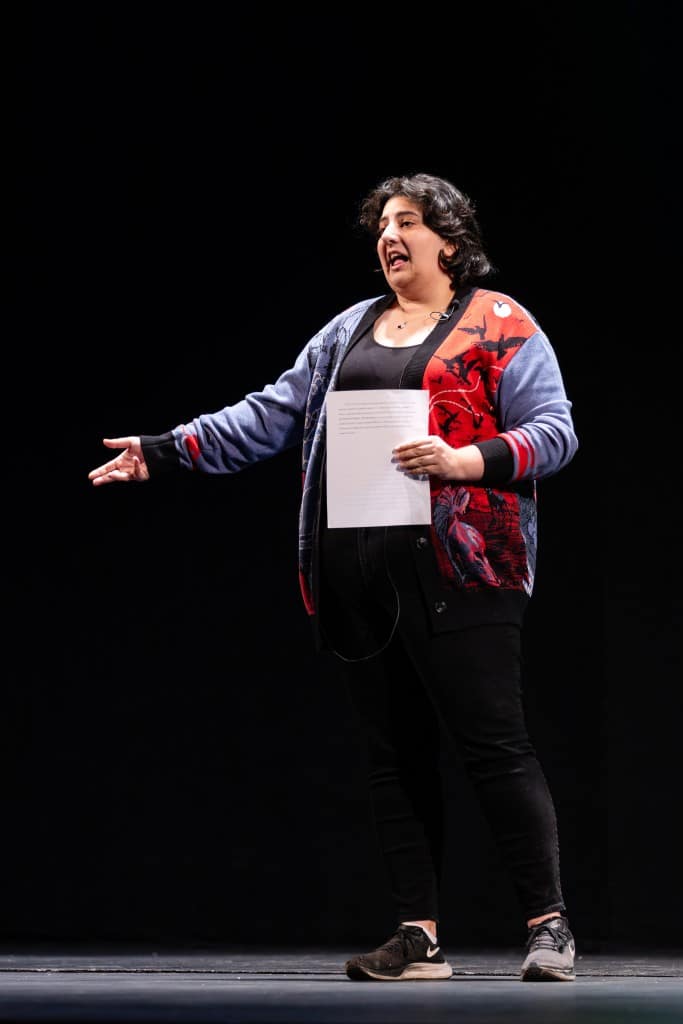
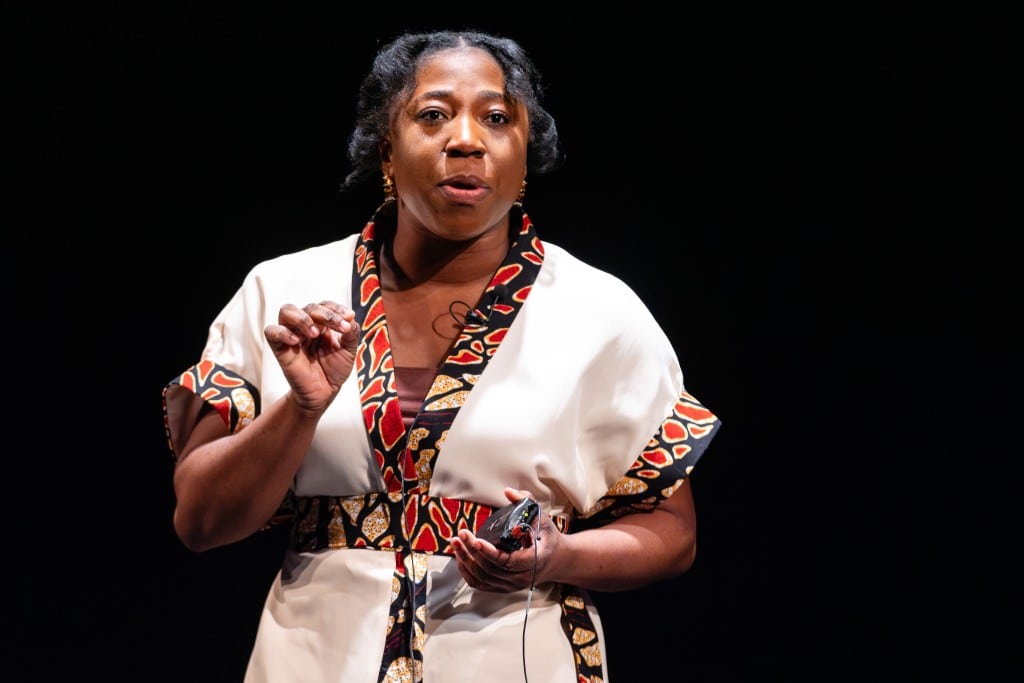
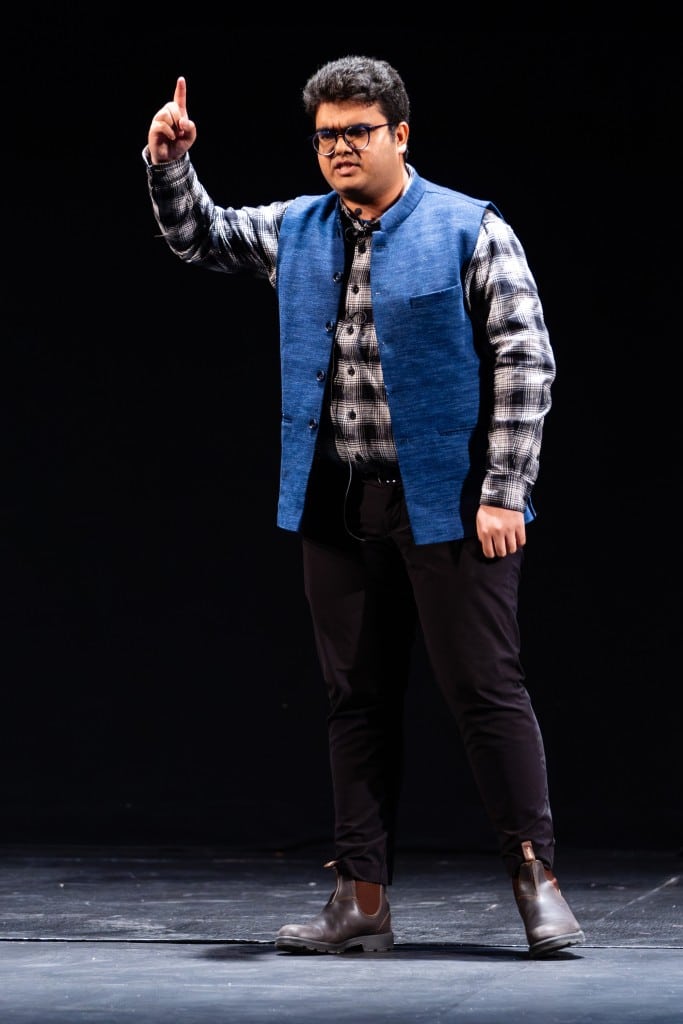
With just three minutes and a single slide, 10 Brandeis University graduate students transformed years of research into bite-sized stories, hoping to captivate an audience and win cash prizes at the 5th Annual Three-Minute Thesis competition. The event took place last Friday, March 27, at the university’s Spingold Theater.
The contest required the participants to explain their work concisely, in non-technical terms. For students steeped in the language and intricacies of their fields, the challenge was considerable.
“Graduate students’ research is often hundreds of pages long in its completed form and has many nuances, so distilling it down to three minutes is a big challenge,” said Abigail Arnold, assistant director for graduate academic affairs and one of the organizers of the competition.
“But participating in the competition gives them the opportunity to practice the important skill of conveying their work to a general audience quickly, which can help them greatly in interview and networking situations across a range of fields,” she added.
Read about each presenter’s talk in this photo gallery:
Several of the participants had explored research questions with everyday applications.
Jillian Franks, in psychology, developed a way to simulate how much doctors’ ability to empathize with patients suffers when they are busy typing information into their computers for electronic health records, thereby increasing their cognitive load. “Empathy is a critical part of the doctor-patient relationship,” she said.Tong Lin, also in psychology, sought to understand how emotions are communicated in daily life. Assessing heart rate and facial expressions, as well as brain activity using electroencephalography, she found that emotional understanding arises from not just a single factor but a combination of influences that can result in brain wave patterns in two people showing synchronicity. Mike Vivian, in neuroscience, asked the seemingly simple question of how a moment in a person’s life becomes fixed in memory, while thousands of other moments are fleeting and quickly forgotten.
“The brain has to be flexible enough to incorporate meaningful experiences while avoiding all kinds of information that you see in the day,” he said. For this work he studied brain cells that appear to be involved in learning, and he noted that memory is fundamental to how we navigate the world.Samitha Ramasinghe, in chemistry, worked with computer models that show how enzymes work. Without enzymes to speed up slow chemical reactions, life would not be possible. Better computer models that simulate their activity will help scientists design improved medicines, she noted. Jonathan Schaffer, in English, said that 200 million Americans regularly play video games, and a popular one — “Metaphor: ReFantazio” — was the target for his investigation into the ways in which video games use narrative techniques to deliver political messages — in this case, endorsement of liberal democracy. Cali McKenzie, in anthropology and women’s, gender and sexuality studies, asked why the movie “Fifty Shades of Gray” captured so much public attention and studied what the everyday kinky experiences of gender non-conforming individuals reveal about how we listen to each other. They conducted ethnographic interviews with kink practitioners across the Northeast. “As you leave today, I invite you to notice the next time someone is trying on a new way of being and to listen to them,” they said. Dagny Michaels, in anthropology, reached back in time to the Byzantine Christians and their practice of wearing enkolpia — reliquary cross pendants. Her study, using 3D scanning technology in archaeological analysis, examined how people form attachments to objects, and she said that the Byzantines were not so different from people today who wear their wedding rings and other jewelry with fond attachment.
“Your descendants might come across a photo of you and catch a glimpse of that wedding ring or favorite necklace that’s become a part of you,” she said. “They might not necessarily have the same emotional connection to that object as you did, but they’ll know how much it meant to you. This is precisely what happens when a 3D model of an enkolpion is made, rendered and viewed. We might not be Byzantines, but that one thread of emotion held within material, image and story ties us together through space and time.” Ancient history also figured into the research of Alexandra Burkot, in musicology, who studied a little-known musical work for a full symphonic orchestra by a composer active in 1943 Athens, which was then occupied by the Nazis. The work was a lament for the warrior Hector in Homer’s “Illiad,” but was never performed. The composer’s niece rediscovered the manuscript in 2010. Burkot’s goal is to stage this work, thereby rescuing a lost piece of history. Research at Brandeis has a global reach. Ophelia Delali Akoto, in social policy, was drawn to the study of how STEM education affects prospects for girls in Ghana. She used quantitative data and conducted 87 field interviews in three Ghanaian cities to assess the barriers and challenges girls face in STEM education and employment.
“Around the world, including in the United States, women remain underrepresented in STEM fields,” she said, noting that the significance of her work extends beyond Ghana. For a study of protest movements, Arjun Kumar Singh, in global sustainability policy and management, examined protest movements by poor farmers in India who organize into cooperatives. He built a dataset covering more than 150,000 farmer cooperatives across India and matched them with 110,000 protest events. He found that when cooperatives are rare, no one is organized to protest, but when cooperatives are plentiful, problems are solved before anyone needs to march. It’s the middle zone where there are many cooperatives but not an overwhelming number where challenges to authority arise.
‘These are the moments when ordinary people refuse to let their world be shaped without their voice,” he said.
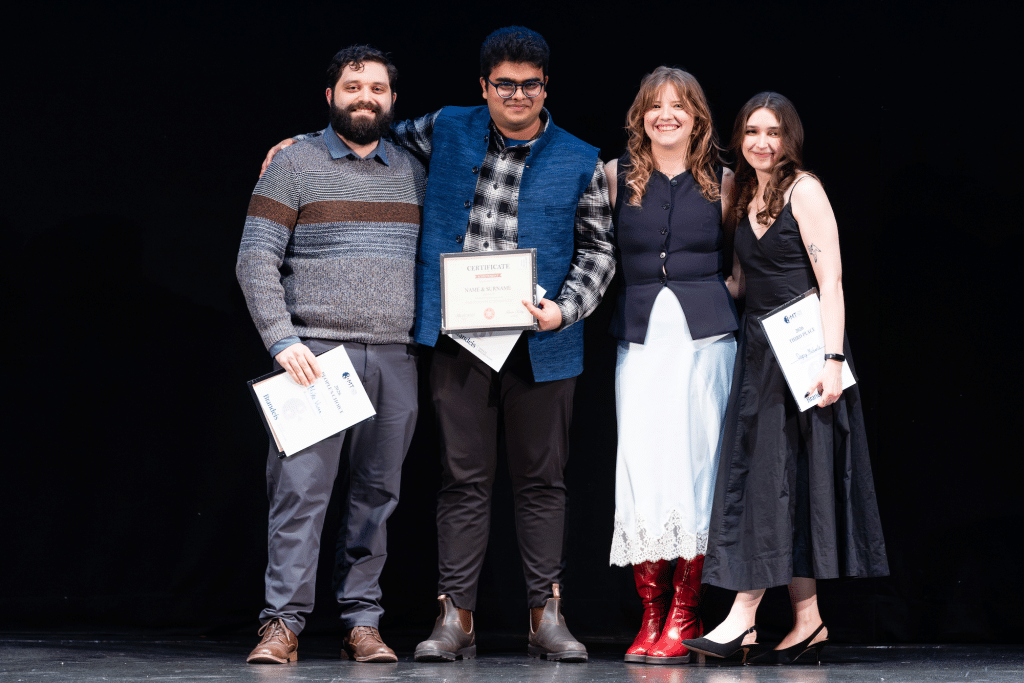
A panel of judges, including Waltham Mayor Jeannette McCarthy, awarded Arjun Kumar Singh first place, followed by Cali McKenzie in second place and Dagny Michaels in third. Members of the audience were invited to vote for their favorite, the People’s Choice Award, and that honor went to Mike Vivian.
Singh will participate in a regional competition, to be held virtually on April 22, and potentially a national one as well.
All 10 participants will receive cash awards ranging from $300 to $1,000.
Other members of the organizing team are: Marika McCann, associate director of professional development and employer outreach in the Office of Graduate Affairs; Becky Prigge, vice provost for Student Affairs; Anahita Zare, director of Education and Special Programs at the Materials Research Science and Engineering Center and director of the Sci Comm Lab; and Atiqua Prithu, Marketing and Communications student assistant.
Advertisement
Winners of the Three-Minute Thesis Competition at Brandeis University are (from left to right) Mike Vivian, the People’s Choice Award; Arjun Kumar Singh, first place; Cali McKenzie, second place; and Dagny Michaels, third place. Photo credit: Gaelen Morse.
Bill Holder retired as director of communications at Wesleyan University in Connecticut, where he also served as editor of the university’s alumni magazine. He began his career at a small-city newspaper in Connecticut and later worked as a science writer at Cornell University. He moved to Waltham in 2021, and he particularly enjoys learning about Waltham history.