
Brandeis opens up to the public for a deep dive into 250 years of American Jewish history
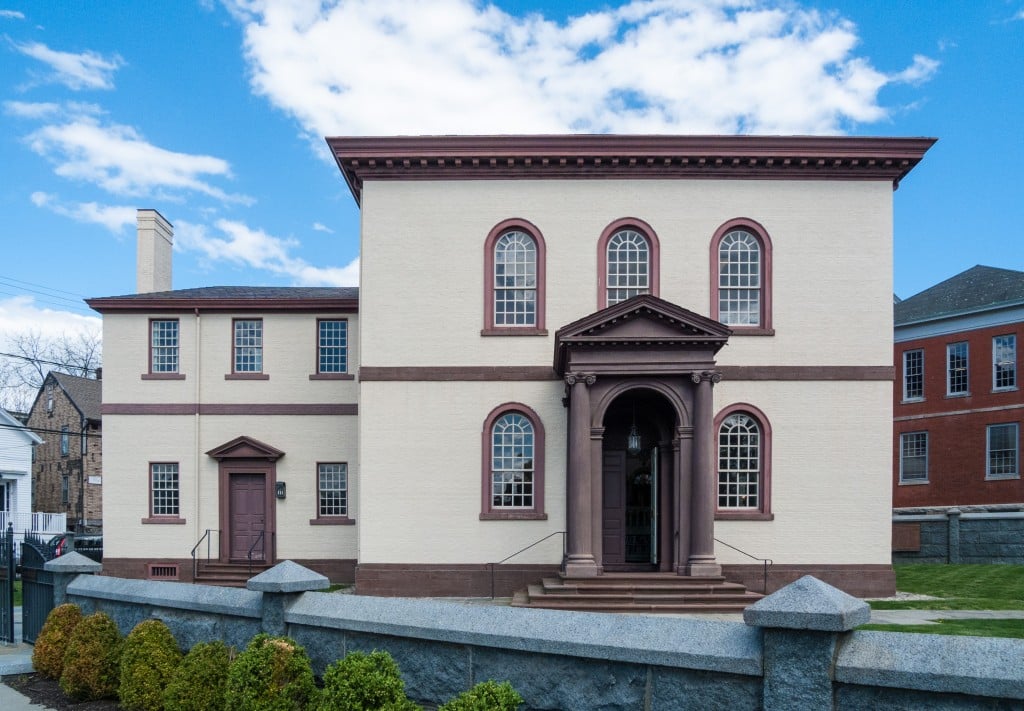
This fall, Brandeis University is turning a full-semester Jewish studies course into a public event.
“America and its Jews at 250,” a new course co-designed by Brandeis professors Flora Cassen and Dalia Wassner, will trace the history of Jewish life in America from the colonial era to the present. In a twist on the usual college format, members of the public will be able to join the classroom alongside enrolled students for the entire semester.
The course begins Aug. 26 and runs through early December, timed to coincide with the 250th anniversary of the United States. In a politically divided time, Cassen and Wassner decided to invite a more diverse set of perspectives into their class.
“Why not invite the public into our classroom?” Cassen said. The idea, she explained, grew partly out of a broader concern about public trust in higher education. “The way to gain that trust back isn’t to say trust us, it’s to say, join us.”
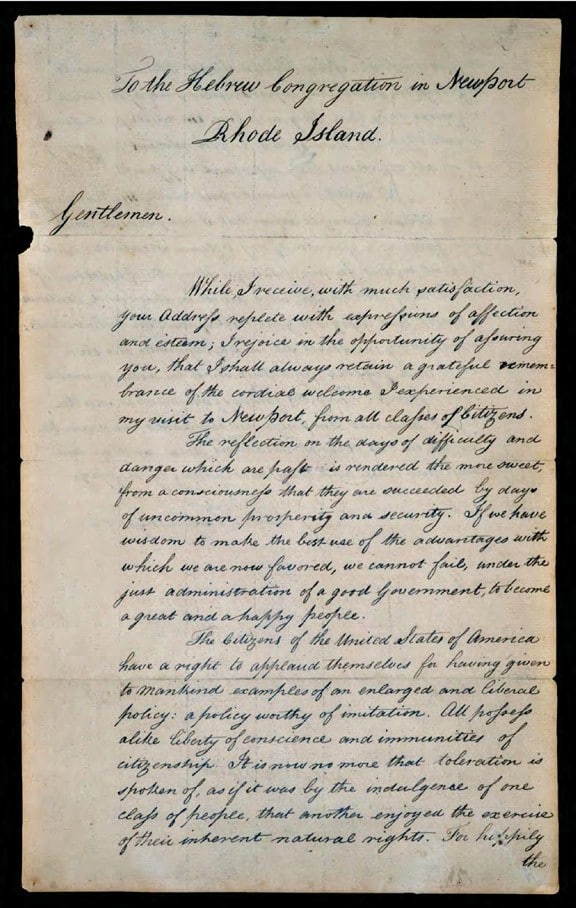
The new course is structured around 28 sessions and taught by 26 different visiting lecturers, including a mix of current Brandeis faculty and outside scholars. Topics move chronologically, from George Washington’s 1790 letter promising citizenship to Jews in Rhode Island, through Black-Jewish relations during the civil rights era and up to contemporary debates over U.S.-Israeli policy.
Despite the rotating cast of guest lecturers, Cassen and Wassner said they built in both a narrative throughline and standalone accessibility, so that someone who misses a week won’t be lost. Members of the public are welcome to do the readings and attend but aren’t required to complete any coursework.
Though their reserved classroom holds 50 people, the professors have saved half the seats for members of the public. Anyone can register to attend a given session in person, and each lecture will be edited and posted to YouTube for free viewing after class.
However, the in-person experience includes something the recordings don’t: a live discussion section. Multiple cameras take high-quality video of each lecture, but they turn off for an open conversation on the day’s topic between students, professors and guests.
There’s no single registration deadline for the semester. Instead, members of the public can register session by session right up until the date of the class. Attendees can commit to one class at a time for $18 each. Seats are limited, so the professors recommend early registration.
For remote participants who can’t attend in person, the course also offers six Zoom lectures and discussion sections dispersed throughout the semester.
Cassen and Wassner said they hope the course draws not just Brandeis alumni and Jews but a broader audience, including people with no prior connection to Jewish studies. “We really are making a big effort to make it clear that this is a course for people of all backgrounds,” Wassner said.
Cassen, who grew up in Belgium, said one goal of the course is to give people, Jewish or not, a fuller picture of the American Jewish community beyond topics that tend to dominate headlines. She pointed out that Jews were able to become American citizens before they could in Europe. “It’s the place in the world where Jews have been citizens the longest,” she said.
That lengthy history has allowed Jews to come to occupy a hybrid identity: “Jewish Americans, not just Jews in America,” Wassner said. The professors hope to explore the complexities of that unique identity this fall.
On what didn’t make the syllabus, Cassen and Wassner said the editing process was harder than expected. Topics like Jews in the U.S. military and Jewish contributions to the visual arts were cut for space. They said a sequel –— “America and its Jews at 251” — might be in order.
Author
Comments (4)
Leave a comment
When commenting, please keep in mind we are a small non-profit focused on serving our community. Our commenting policy is simple:
- Common sense civility: we’re all neighbors, but we can disagree.
- Full name required: no anonymous comments.
- Assume the best of your neighbors.



When does the course meet, how does someone sign up for either live or zoom sessions, what’s the cost?
Information about the course is posted here: https://brandeisuniversity.my.site.com/s/event-detail?language=en_US&eventId=a4xQK00000057Lp
How do I access the YouTube videos to see the lectures after the fact?
You can sign up for a reminder when the recordings are posted here – they will be free!
https://docs.google.com/forms/d/e/1FAIpQLSdhhNI4-3te1Bc5bYljyLnIyBY02-68bxbdoyRTEdzQyBSf5A/viewform