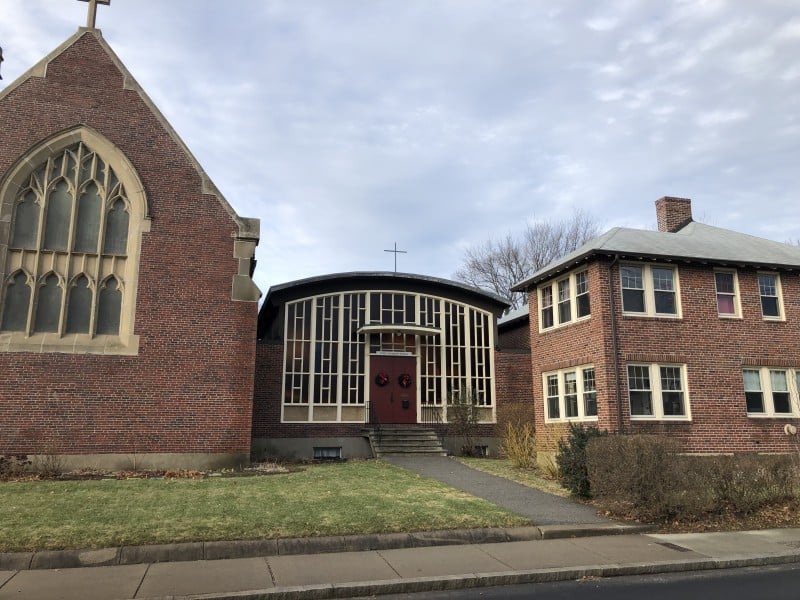
Fire Department screens for esophageal cancer
By CHRISTIAN MAITRE
Waltham Times Contributing Writer
Waltham firefighters took part in a new DNA-testing program that can detect early signs of esophageal cancer.
EsoGuard, developed by Lucid Diagnostics, involves inserting a tube-shaped device into an individual’s esophagus. Cells are collected and tested for esophageal precancer, also called Barrett’s esophagus.
Fifty-two Waltham firefighters were tested at the Moody Street fire station using EsoGuard in the first week of January, according to Tim Pratt, Waltham’s deputy chief of fire training.
January is Firefighter Cancer Awareness Month.
“We are trying to be preventative, which is a culture shift,” Pratt said.
He said it once had been an accepted norm for firefighters to get hurt or die as a result of the job.
But an increase in research done on the increased risk of cancer among firefighters helped shift this narrative.
For example, studies have found that modern buildings constructed with synthetic plastics can release carcinogens such as polycyclic aromatic hydrocarbons when burned.
“Once the science came out, the facts came out, the numbers came out, it was undeniable,” said Lt. Mike Murphy, the department’s public information officer.
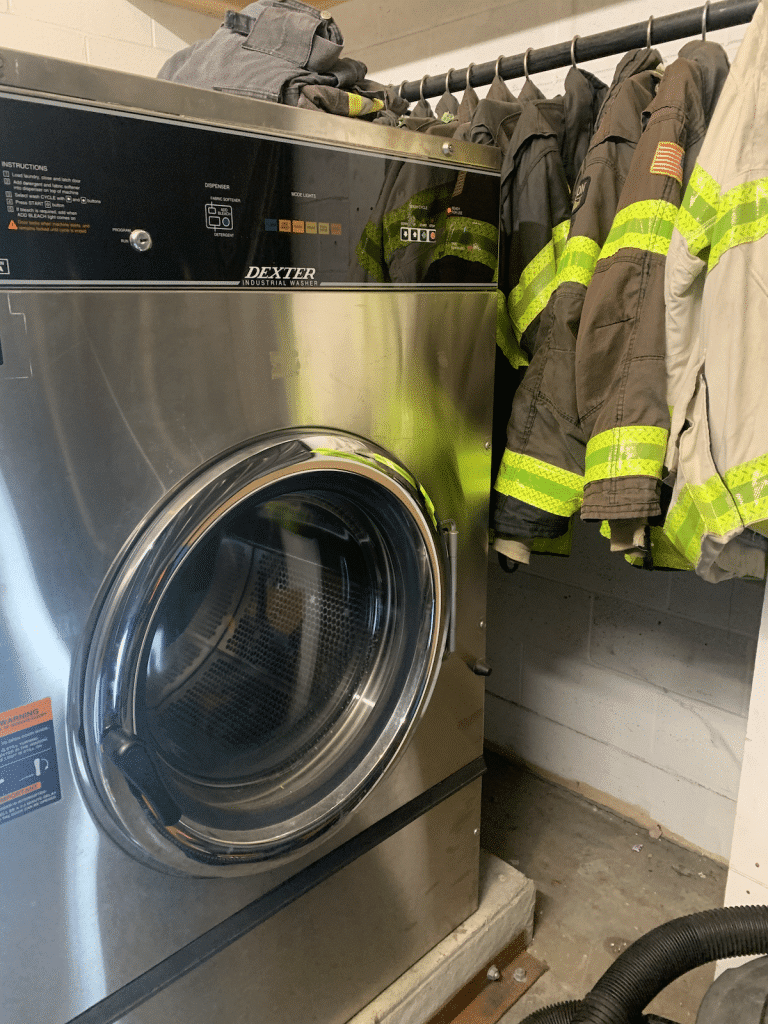
When the risks of firefighting became better understood, so did preventative practices.
Murphy explained that firefighting gear is washed and dried regularly at the station to get rid of harmful contaminants.
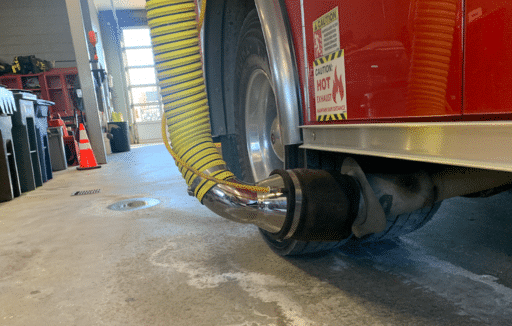
Fire truck tailpipes that emit diesel exhaust, a known carcinogen, are connected to hoses that keep the emissions from reaching the station’s living quarters.
The hope is that these measures, paired with Lucid’s EsoGuard, will help the department reduce cancer risks among its firefighters and help detect early warning signs of the disease.
Pratt thought Lucid offered the department and the city a good deal. He said the company will bill the department’s insurance provider for the testing, and if not compensated, the company will write off the cost.
Test results are expected to be released in two to three weeks.
We are a reader-supported nonprofit newspaper. If you value our reporting, please support The Waltham Times through a tax-deductible gift.
Author