
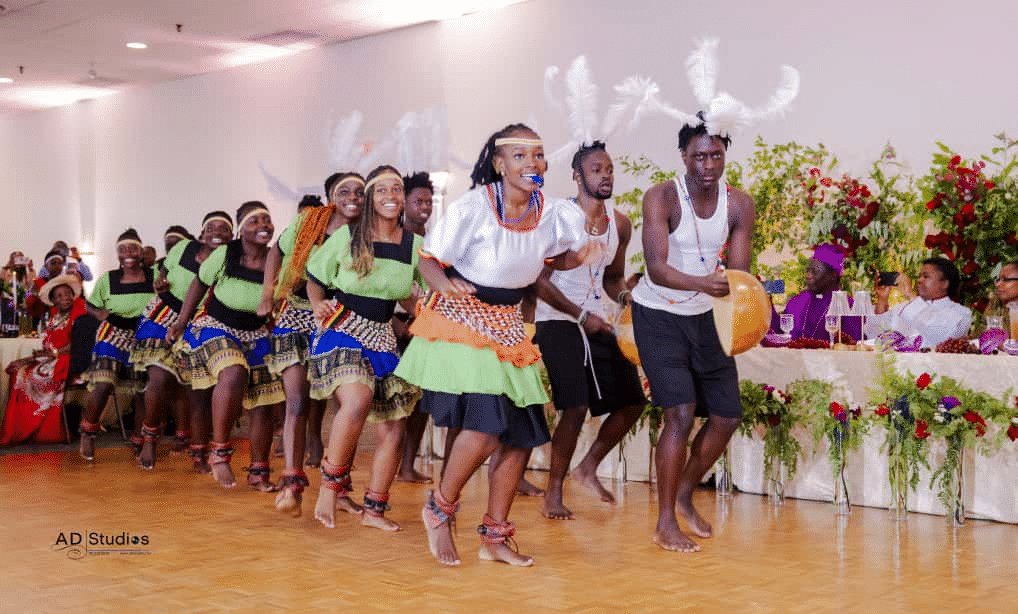
Cover photo by AD Studios
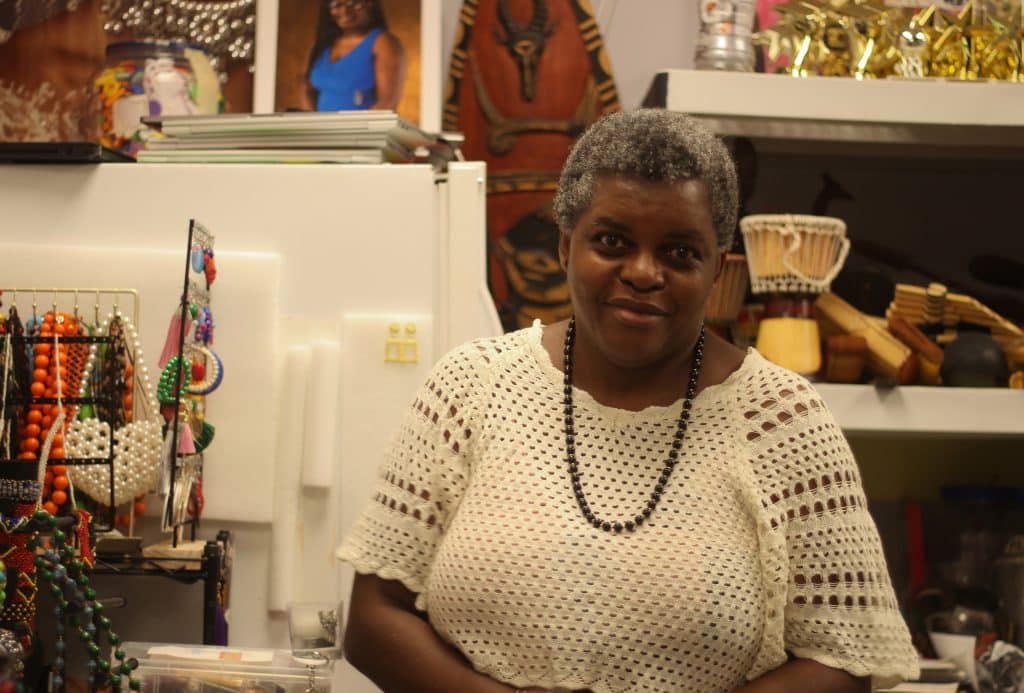
African paper beads are made by rolling a piece of paper around a toothpick small enough to be threaded, then sealed with glue, explained Juliet Najjumba, founder of Africano Waltham.
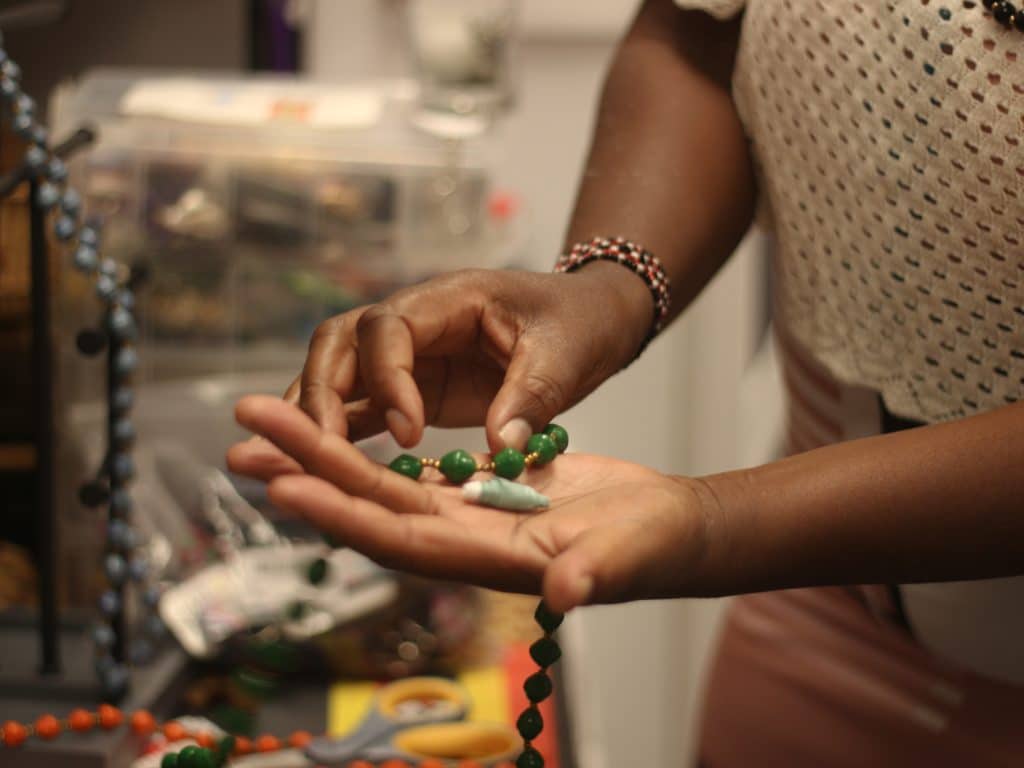
In Africa, beads are a symbol of wealth or status, but for Najjumba they symbolize the passing down of traditional artistry.
“[In Uganda] we are trained by default to be artists as soon as you can walk,” she said.
After going to school in Germany to study tourism, marketing and business administration, Najjumba established a cultural center there before relocating to Waltham.
Waltham has the largest Ugandan population in Massachusetts, making it the perfect place to move to when she became a mother and needed more family support. The city is even nicknamed “Little Kampala” because “almost every Ugandan either lives here or works here,” said Najjumba.
Najjumba founded Africano Waltham in 2010, at first gathering the neighborhood children to perform at the local senior center, then moving into a dedicated space on Main Street.
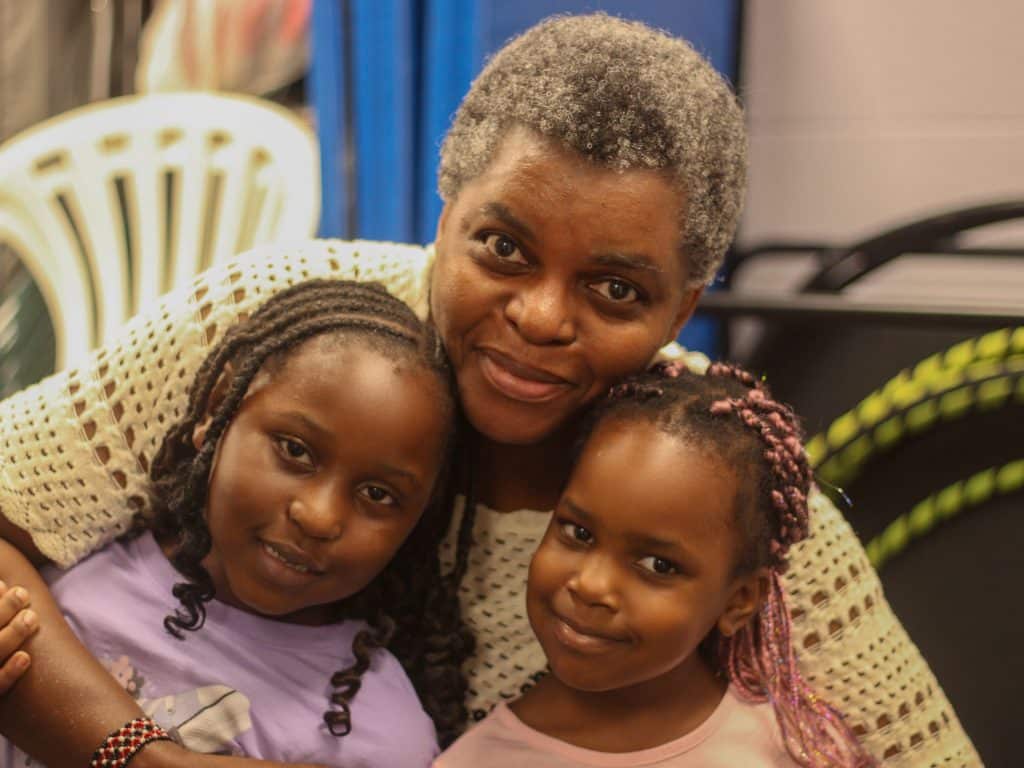
“Because my idea was, let me educate these kids right from the start. You’re brilliant, you’re amazing,” she said.
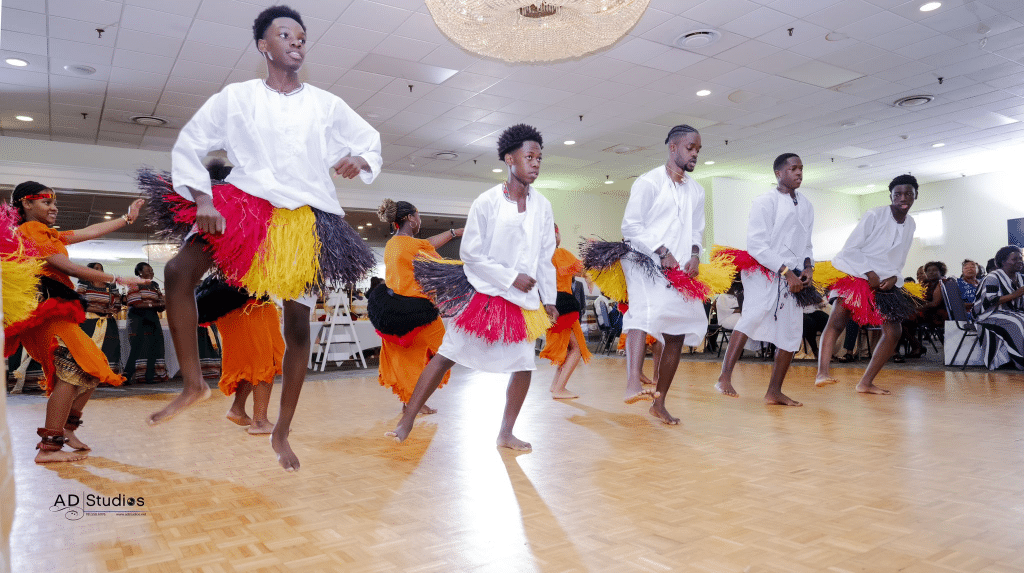
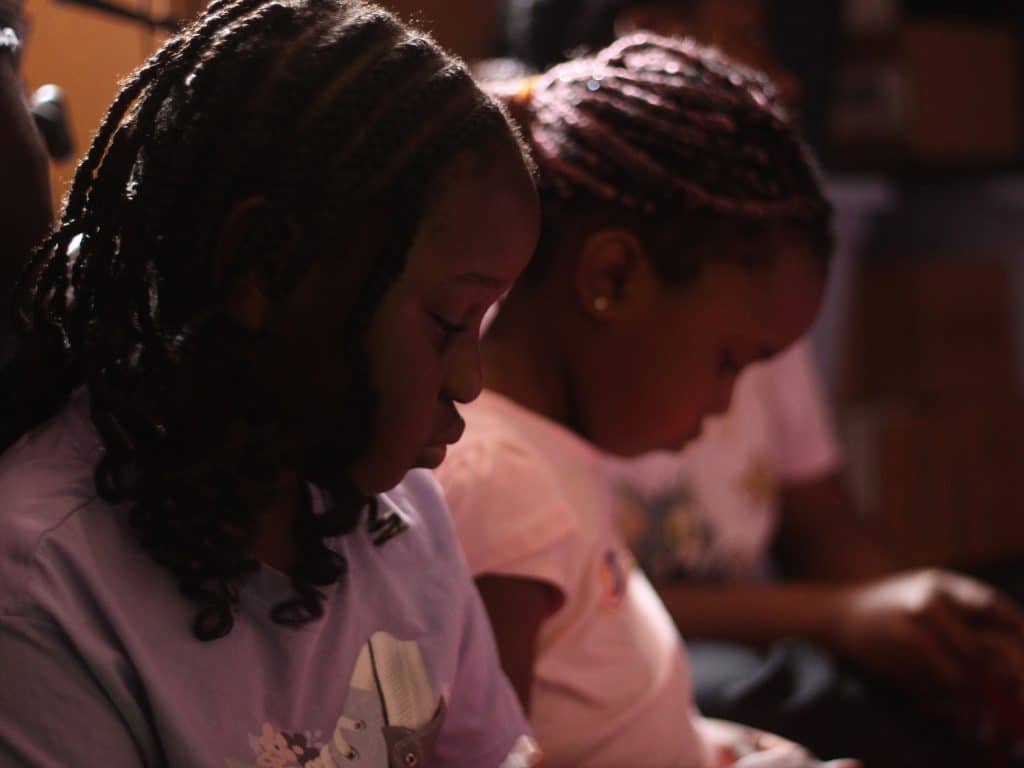
Africano Waltham aims to serve the community through art, dance and career development. Staying true to the traditional skills Najjumba learned in her youth, Africano Waltham centers traditional African artistry through their programming with the Afro Diamonds, a drum and dance performance group, and other youth enrichment programs.
She is especially proud that her students create and publish Your Stories Matter magazine, which features poetry, articles, photos, art and more created by students to showcase Africano Waltham programs.
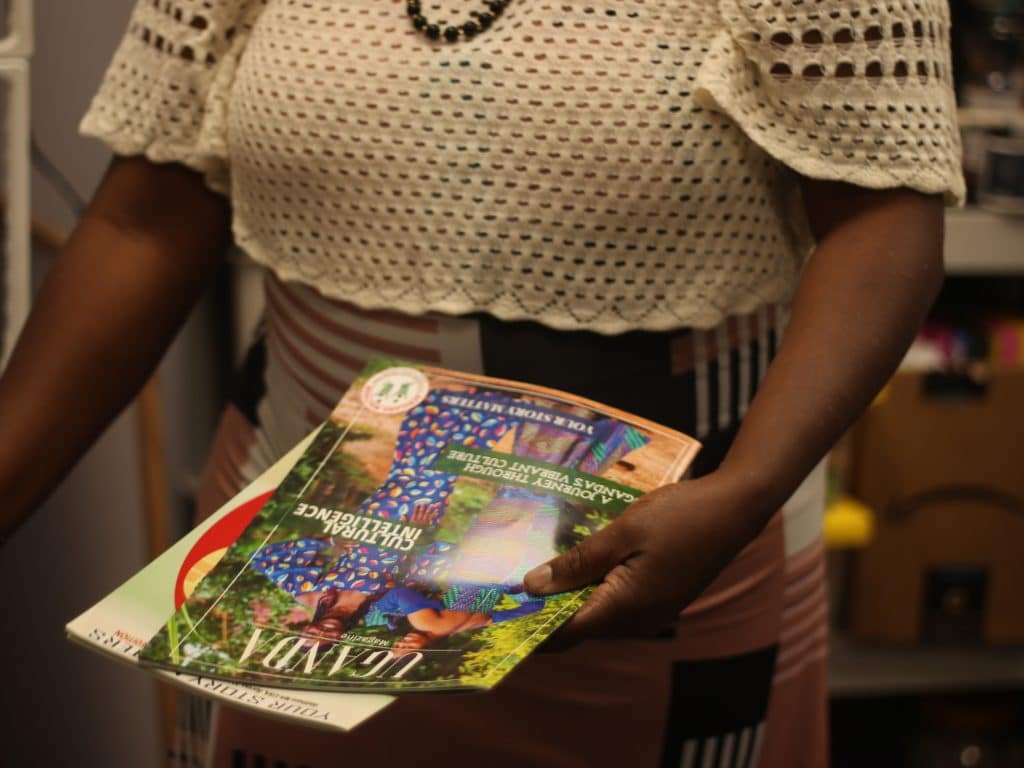
As the organization began to grow, so did its outreach. Najjumba integrated reading, writing and homework assistance as a way to “use my art to help them,” she said.
While fostering youth talent, Africano Waltham also invites bridging generations through a senior tea or Twejjukanye, meaning “let’s remember,” as a way to gather community elders for discussion and listening to speakers.
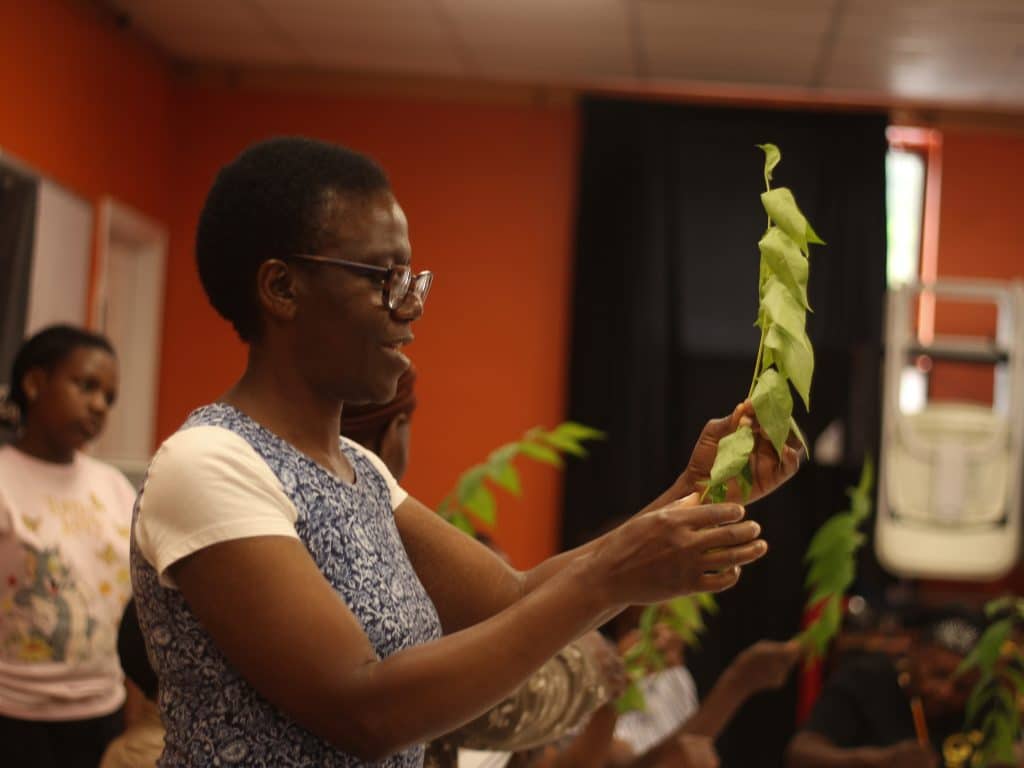
In African culture, it’s common for grandparents to raise the children as the parents work, she said. But the two generations in Waltham experience conflict as they’ve been raised in two different cultures.
She found that there is a “disconnect” between the older and younger generations due to the difference in unspoken rules in Western culture.
Fifteen years after its founding, Africano Waltham continues to grow, now with the help of grants to aid in workforce development for college students to help run programming.
“So I’m trying to slowly say, you got it. You know what to do. You can run the center,” she said.
For the future, Najjumba plans to hand off the nonprofit Africano Waltham to the students she trained while she expands into African Heritage Venture LLC, a mission-driven, for-profit enterprise that sells the Your Story Matters magazine, handcrafted African jewelry and live music and dance performances.
Her goal is to create a “sustainable revenue stream to support the nonprofit’s programming [that] also promotes African culture, talent, and youth voices, helping combat stereotyping and promoting intercultural understanding,” she said.
As for Najjumba herself, she has her eyes on Hollywood for retirement.
“Where else do people go when they want to retire? I mean, my head thinks the only place people can go is Hollywood,” she said.
Author

Comments (3)
Leave a comment
When commenting, please keep in mind we are a small non-profit focused on serving our community. Our commenting policy is simple:
- Common sense civility: we’re all neighbors, but we can disagree.
- Full name required: no anonymous comments.
- Assume the best of your neighbors.



It’s super work,it’s so professional and explained all the facts
Africano Waltham is a one stop haven for the young, the middle and the elders. We converge for love & hope, for information & knowledge, for laughter & warmth, for food & comfort, for peace & security. Africano portrays the African proverb so well.. “if you want to go fast, go alone; if you to go far, go together”.
We are proud of you Africano. Thank you so much for bringing out the culture and teaching the young generations. God bless you