Detective division wraps up Citizens Police Academy with hands-on investigation
Detectives Michael Maher and Christopher Bastarache led the final session of the city’s Citizens Police Academy community program on Nov. 12, demonstrating how local investigators build criminal cases and preserve evidence during crime scene investigations.
Maher and Bastarache described their roles as beginning after patrol officers make an arrest, explaining that detectives are responsible for securing the crime scene, photographing and sometimes sketching details, and methodically gathering physical and digital evidence. Their systematic approach, they said, helps “paint the picture” for each case, requiring thorough documentation in criminal applications and search warrants. Once a case goes to court, detectives can no longer add further information, making early documentation critical.
The session distinguished between interviews — where a person is free to leave — and interrogations, which require officers to issue Miranda warning, a list of the legal rights. The detectives also illustrated the expanding use of digital evidence warrants, which can link suspects to crimes through cellphone data or social media activity.
Much of the evening focused on types of evidence and proper preservation methods. Bastarache referenced Edmond Locard’s influential Exchange Principle — “every contact leaves a trace” — emphasizing the importance of what suspects bring to and take from crime scenes. Investigators always wear gloves and are vigilant against contaminating evidence, he said.
Attendees learned how detectives process fingerprints from different surfaces — distinguishing porous materials such as paper from nonporous surfaces such as glass or metal. Bastarache demonstrated techniques for lifting prints from a soda can, which, once obtained, can be sent to the FBI’s Integrated Automated Fingerprint Identification System, a national fingerprint database.
Collecting DNA evidence was presented as simpler than gathering fingerprints, typically using sterile cotton swabs rather than powders. Unlike popular portrayals, however, DNA results may take months or even years to finalize.
The session concluded with an interactive case study. Participants helped solve a simulated string of car break-ins in North Waltham, reviewing the initial police report and investigative videos. Detectives walked the group through analyzing evidence and reconstructing events, ultimately showing how suspects were apprehended.
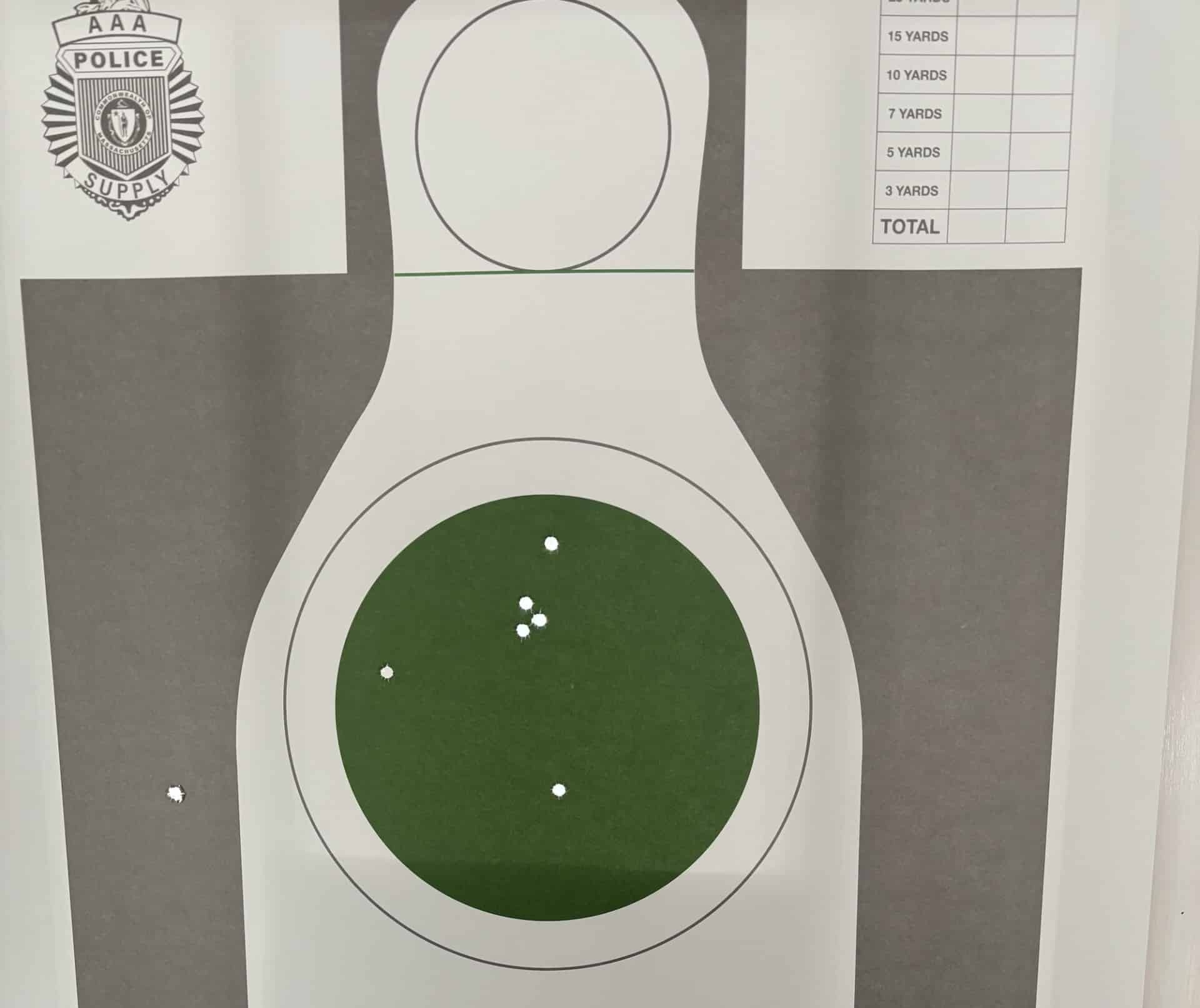
Attendees pursuing extra credit joined officer ride-alongs, observing everything from ordinary patrols to traffic stops and interactions with various people in the city. A separate session at the shooting range, led by Officer Paul Hanley, allowed participants to receive safety instruction and supervised practice with a 9 mm firearm, taking home their targets as keepsakes.
The class marked the end of the academy’s detective module, leaving community members with firsthand knowledge of police work and forensic investigation.
Share anonymous news tips
You can leave a news tip anonymously, but if you would like us to follow up with you, please include your contact information
Author