
Community block grant funds senior housing, after-school program, services for homeless neighbors and local business
The Waltham Planning Department presented its Consolidated Annual Performance and Evaluation Report for last year’s Community Development Block Grant on Aug. 26, part of an annual process to distribute federal funds to municipalities and collect feedback on how effective those funds were.
The report highlighted several community projects. The Beaverbrook Senior Apartments, owned by the Waltham Housing Authority, received a gut renovation of all 60 units, plus grab bars, walkway repairs and a rebuilt community center. Construction, which is still ongoing, used $240,621 of CDBG funds allocated to the project.
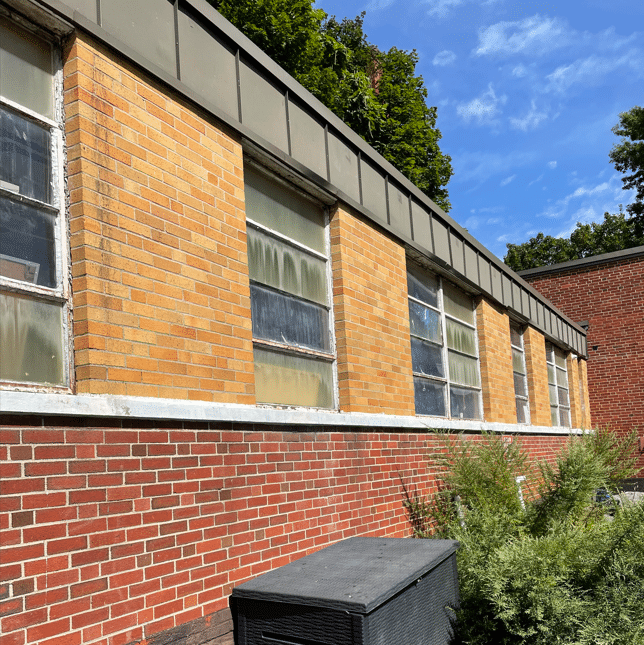
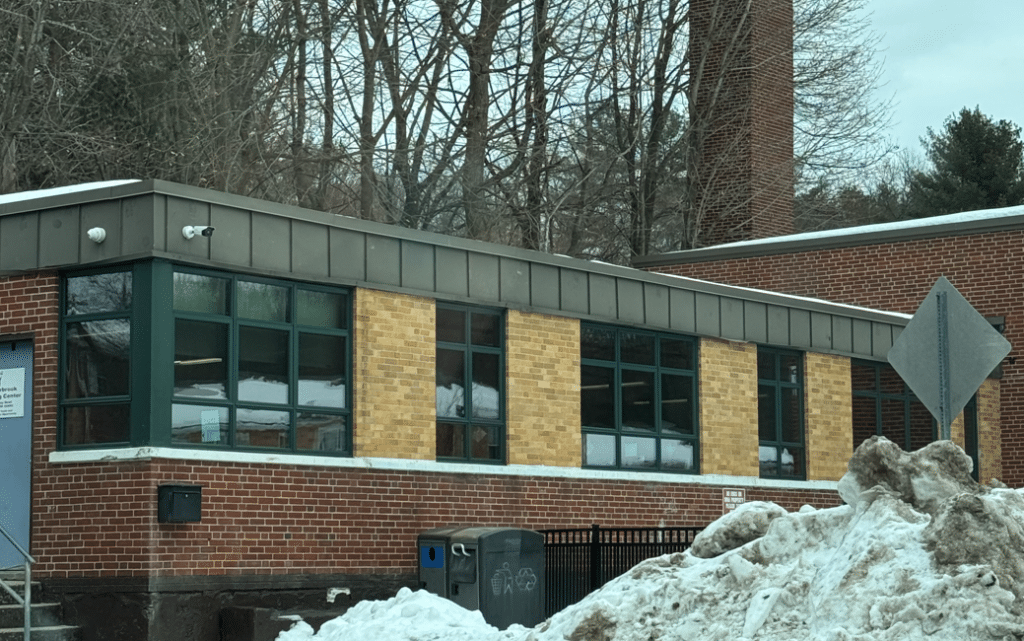
The Chesterbrook Community Foundation received $77,322 to replace deteriorating windows, which will benefit its children’s after-school program.
Four businesses also received $31,997 in funding through the Downtown Waltham Partnership for exterior improvements.
Homeless assistance programs received $51,945 in funding, including Healthy Waltham’s food pantry, Chaplains on the Way’s free breakfast program and the Salvation Army’s Hope Kitchen.
The CDBG program, run by the federal Department of Housing and Urban Design, allocates money to cities so they can develop housing opportunities and quality-of-life improvements for residents. The grants are intended for low- and moderate-income residents and for residents in vulnerable populations, such as survivors of domestic violence and people experiencing homelessness.
In project year 2025-26, Waltham received $850,450 from the U.S. Department of Housing and Urban Development, and spent $868,727, with extra funds carrying over from prior years. More than 1,100 residents were served overall, 99% of whom were low-income.
Some funds went unused
The report also included lapses in impact, particularly with a housing rehabilitation initiative that went unused by residents. Listed as a priority in Waltham’s five-year funding plan, the program would provide interest-free loans for home repairs.
However, for the second consecutive year, the city received no eligible applications for the program. The report attributed this to the $10,000 loan cap, which may not provide enough assistance for low-income individuals “amidst general increasing construction and material costs,” the report states.
Despite positive impacts, uncertainty about funding framed the Planning Department’s presentation. The CDBG program serves municipalities across the country, and as participation goes up, available funding is stretched thin.
Since the program’s inception in 1975, the number of eligible cities has roughly doubled, while annual funding levels have not increased proportionally or kept pace with inflation. “The CDBG program has significantly less purchasing power to service significantly more people,” a 2023 U.S. Department of Housing and Urban Development study stated.
Frank Nakashian, the city’s assistant director of planning and sustainability, also alluded to confusion about how HUD doles out the funding they do have. “[The government] has their own equations that we’re not pretty sure of,” he said. The 50-year allocation formula HUD uses is under active scrutiny, and Congress proposed a modernization act in 2024.
Because of this uncertainty, both situational and systemic, Waltham is looking to the future with only placeholder numbers. “We know that we have $846,000 to play with for next year, but we haven’t got the money yet,” Nakashian said.
A few years ago, he said, Waltham received more than $1 million in CDBG funding. The oldest CAPER report available on the Planning Department’s website, for project year 2021-22, lists the amount at $978,390. “We get less and less … but we just have to play by the rules and see what we get.”
Residents can submit comments on the report draft until Sept. 18 by emailing walthamcdbg@city.waltham.ma.us, or mailing directly to the Planning Department.
Author


Comments (0)
There are no comments on this article.