
High school students pitch engineering startups through innovative Spark Program
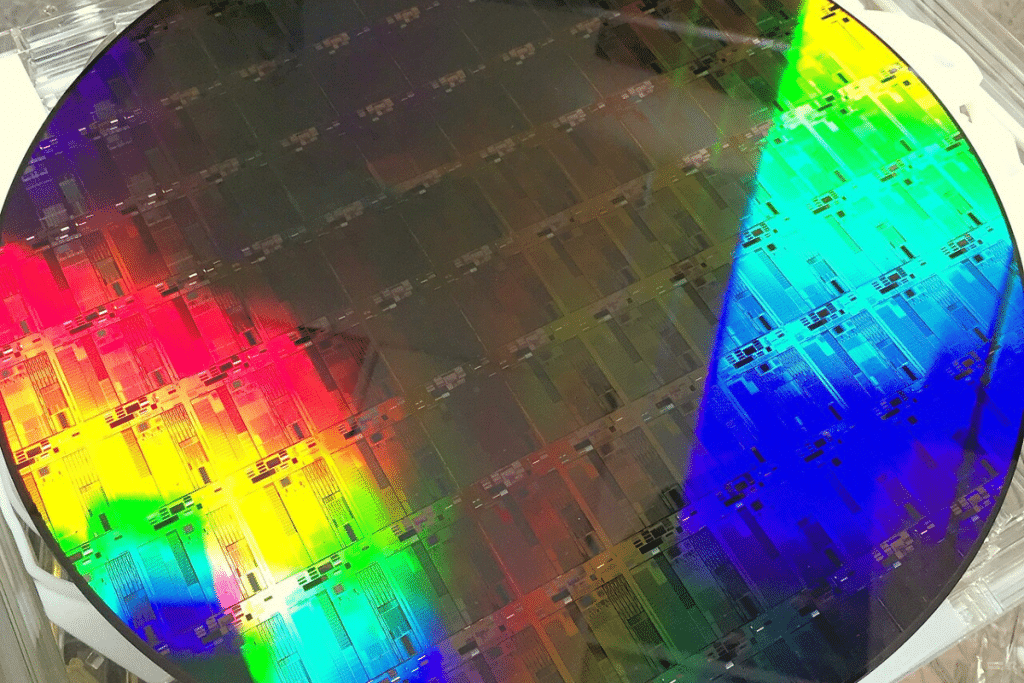
An initiative from the Waltham-based Spark Photonics Foundation, supported by new funding from Intel, is bringing a project-based learning program called SparkAlpha into classrooms across the country.
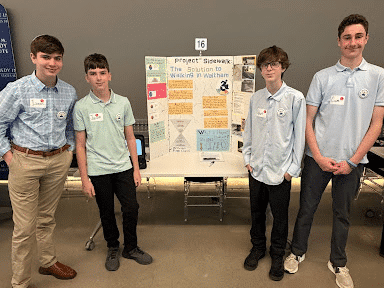
Mike Wilder, who teaches an entrepreneurship elective at Waltham High School, has seen firsthand how students engage with the program. On the day his students were supposed to present their final projects, he wasn’t sure what to expect.
For weeks, his class had been working through a curriculum built around photonics technology most of them had never heard of before. Wilder himself had felt like a beginner. But when his students stood up before a panel of judges and laid out their business plans with confidence, the whole curriculum clicked. “I was kind of unsure how it was going along,” he said. “But when they put it all together in the end and stand up and do it, that’s when I realized there was engagement.”
Spotlight on photonics
Semiconductors — the chips that power everything from smartphones to medical devices — rely increasingly on photonics, the use of light to create and transmit data. The technology, which has become central to modern electronics manufacturing, plays front and center in Spark’s interdisciplinary programming.
“We know that we’re going from zero percent awareness to 100 percent awareness,” said Kevin McComber, the foundation’s executive director. McComber, who previously worked in semiconductor manufacturing at Intel, co-founded both a for-profit photonics design company Spark Design and the education nonprofit Spark Photonics Foundation.
SparkAlpha gives teachers and students access to an online platform with lesson materials, videos and a structured final project template, all based on the semiconductor industry. The curriculum is built to supplement a wide range of courses, from marketing to engineering. “It’s not really a technology program — it’s an awareness program, and in large part a communications program,” McComber said.
A set of modules about photonics might seem unlikely to capture the interest of an average high school student. But part of the appeal of SparkAlpha is to build professional competence before students enter the workforce.
Wilder teaches SparkAlpha in his class as a final module, only after students have spent weeks on resume building, cover letter writing and interviewing. The photonics project gives those skills something concrete to attach to.
Sparking a business plan
The curriculum guides students through a four-step process: identifying a real-world problem, conceptualizing a photonics-based solution, building a business plan and pitching their idea to a panel of judges. Classes go through a series of hurdles in small groups as they navigate a hypothetical semiconductor business. Where is there a need for semiconductors? How do you engineer a product so it can be brought to the marketplace? Who will manufacture it, and who will you market it to? “I think the benefit has been just having structure, a real streamlined approach to entrepreneurship,” Wilder said.
One group of students in Wilder’s class chose the relevant problem of perpetually low phone battery. They came up with a device called Aura, which would use integrated photonics to remotely charge all the phones in its vicinity. Along with the concept, students worked together on a manufacturing budget, marketing strategy, and even made plans for brand partnerships.
“As their teacher, I loved this idea as it truly speaks to an issue with all humans, but particularly their target market of 14-22 year olds,” Wilder said. “These students were creative and spoke to an audience they’re familiar with.”
That kind of outcome is what McComber hopes for, even from students with no interest in engineering. Getting young people to understand how pervasive semiconductors are in everyday life, he argues, is its own form of literacy. “We’re really looking for teachers to be creative and innovate with the program,” he said. “It’s meant to be a platform for them to have this tie into real technology in business, but however they want to do that is up to them.”
In three years of teaching SparkAlpha, Wilder has watched students who arrived with little interest in technology work through the program and emerge, eight weeks later, with a finished pitch. He hopes that kind of learning gets more credit from the wider community. State rankings and standardized test scores, he noted, tend to dominate public conversation about schools. “There’s a lot of skill that is happening,” he said, “that I just wish the community would recognize.”
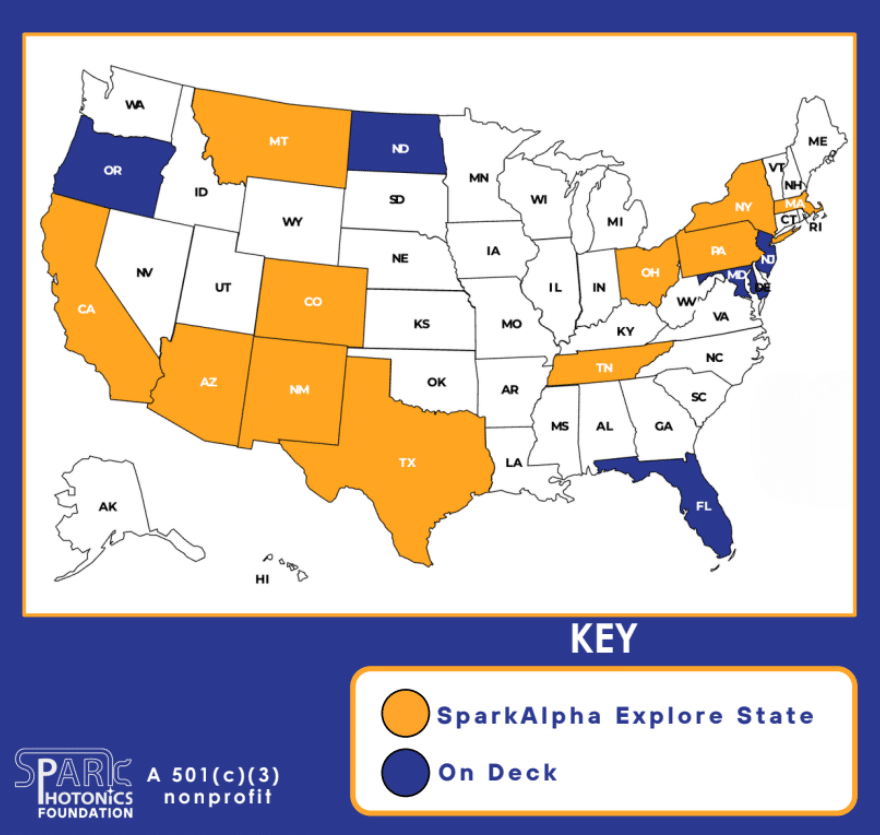
Waltham-based Spark Photonics Foundation’s SparkAlpha is taught in schools across 11 states, and is slated to start in six more. Courtesy of SPF.
Author





Comments (0)
There are no comments on this article.