
Councilor-at-large candidate Carlos A. Vidal
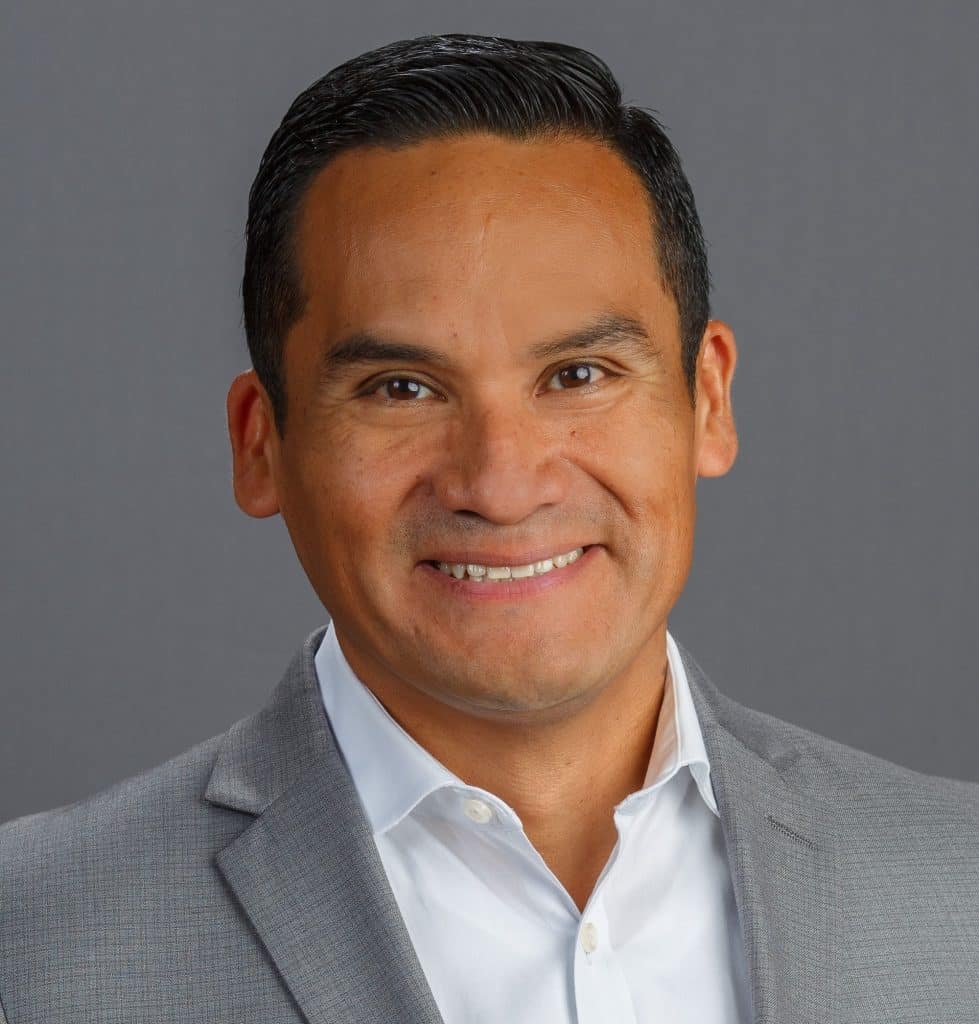
Carlos A. Vidal has lived on the South Side since he moved to Waltham in 2003. “I’m a city kid,” he told The Waltham Times, laughing.
“When I first moved to Waltham, I didn’t know anyone in the city,” he said. He and his wife — just recently married at that point — had originally planned to stay in Boston but found themselves priced out. They liked Waltham, seeing it as a central location that offered diverse experiences to its residents. “My wife and I are happy to call Waltham our town, our city,” he said. “I love Waltham. Even the traffic, I enjoy.”
After they moved, Vidal quickly got involved with various community nonprofits, including the Waltham Partnership for Youth, the Boys & Girls Club and Reach Beyond Domestic Violence. He said he has always had an interest in local politics and was disappointed with the lack of Latino role models on City Council.
He decided to run for an at-large seat in 2013. Although he was unsuccessful that year, he was elected to the post in 2015 and has been an at-large councilor ever since..
He said being a councilor-at-large means representing — and working with — everyone from every part of Waltham.
Vidal has stepped back from volunteering so he can participate in more votes without being in a position where he has to recuse himself. He still maintains his position as anchor on the Waltham Newswatch program of the Waltham Community Access Channel, which he said doesn’t often appear in front of the council.
When asked about transparency regarding communication from Waltham’s government — an issue that our readership survey identified as an area of concern, he said information is there in open meetings, recordings and minutes, noting that people need to be willing to look for it. He said residents should reach out to him, Mayor Jeannette A. McCarthy, their ward councilors and news outlets such as WCAC and The Waltham Times to get more information.
Vidal said he values feedback and works to bring constituent feedback to other councilors and to city bodies such as the School Committee. He said being an at-large councilor means backing up ward councilors on projects in their wards, citing as an example working with Ward 6 Councilor Sean T. Durkee to secure Community Preservation Act funds for the St. Mary’s apartments project.
He said his role of the council also involves making sure city departments have the resources they need and evaluating them to ensure their performance measures up.
“We provide the best services to our community,” he said of Waltham. “The city is run very efficiently, thanks to the mayor, thanks to City Council, because we work together to make sure that everyone who lives in Waltham has the services they need.”
Whether the topic is municipal services, schools, ward-specific land issues or zoning, he emphasized the power of communication and collaboration. “City Council — it’s a moving target. The objective is to accomplish things together as a team. … There’s 15 of us, and I’m just one vote. However, if I’m able to work with all the other councilors, that’s a win for the community. ”
Similarly, he said one of the city’s zoning priorities should be making sure all residents get input into how their neighborhood changes. “We need to work closely with neighbors and constituents — not just the people who get online … because there are 65,000 people in Waltham. I want to make sure everyone is heard,” he said. “It’s [about] making sure people in those neighborhoods are the ones to make those decisions.”
He said that although creating housing is important, there are limits on how much the city can do to improve housing affordability in the region. Similarly, he said a city council doesn’t have much influence on federal or state issues — another topic readers told us was important to them in the election.
“The federal government is the federal government. Can we influence the federal government? No, we cannot. Can we make a stand on something? Yes… [but] I think at a state or federal level, it’s very hard for a city of 65,000 people in the state of Massachusetts to respond to,” he said. “I care about all the things that are going on in the country. But you know who you talk to? You talk to your governor, your state reps.”
What the council can do most effectively, he said , is work together to make sure the city is a good place to live. “It’s about compromise. It’s about human relationships. People need to know that,” Vidal said.
Author





Comments (0)
There are no comments on this article.