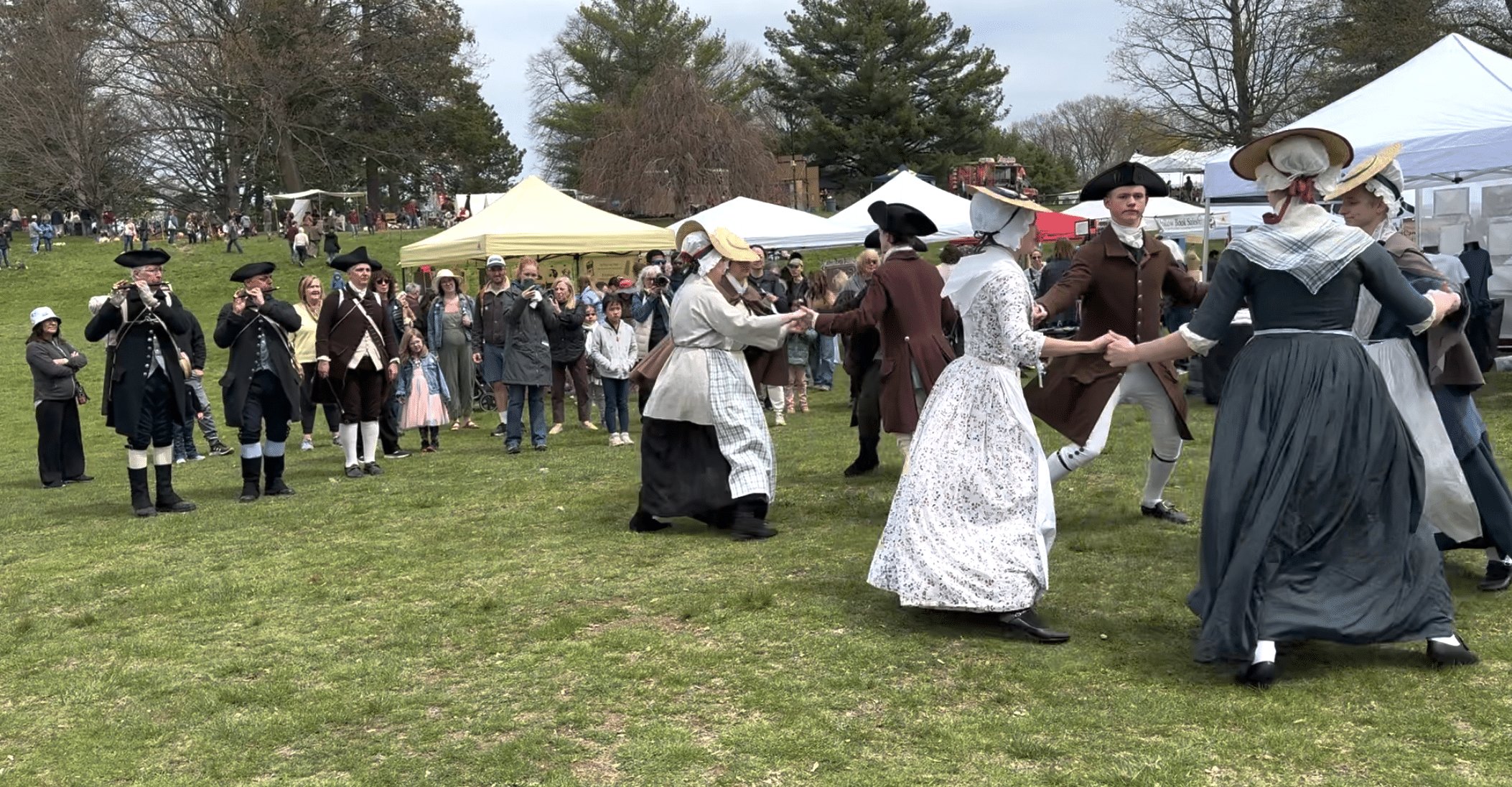
Hundreds of performers, crafters, vendors and historical reenactors presented a colorful spectacle, but the sheep were the superstars of Gore Place’s biggest annual event.
The Sheepshearing Festival drew thousands of visitors Saturday to the 50-acre historic estate and working farm that straddles the border of Waltham and Watertown. Now surrounded by city life, Gore Place has been preserved to show children and adults alike what country life was like in early 19th-century New England.
During the seven-hour event, professional sheep shearers Kevin Ford and Leslie Sullivan clipped about 20 sheep, while spectators of all ages marveled and cheered and bleated along with the animals.
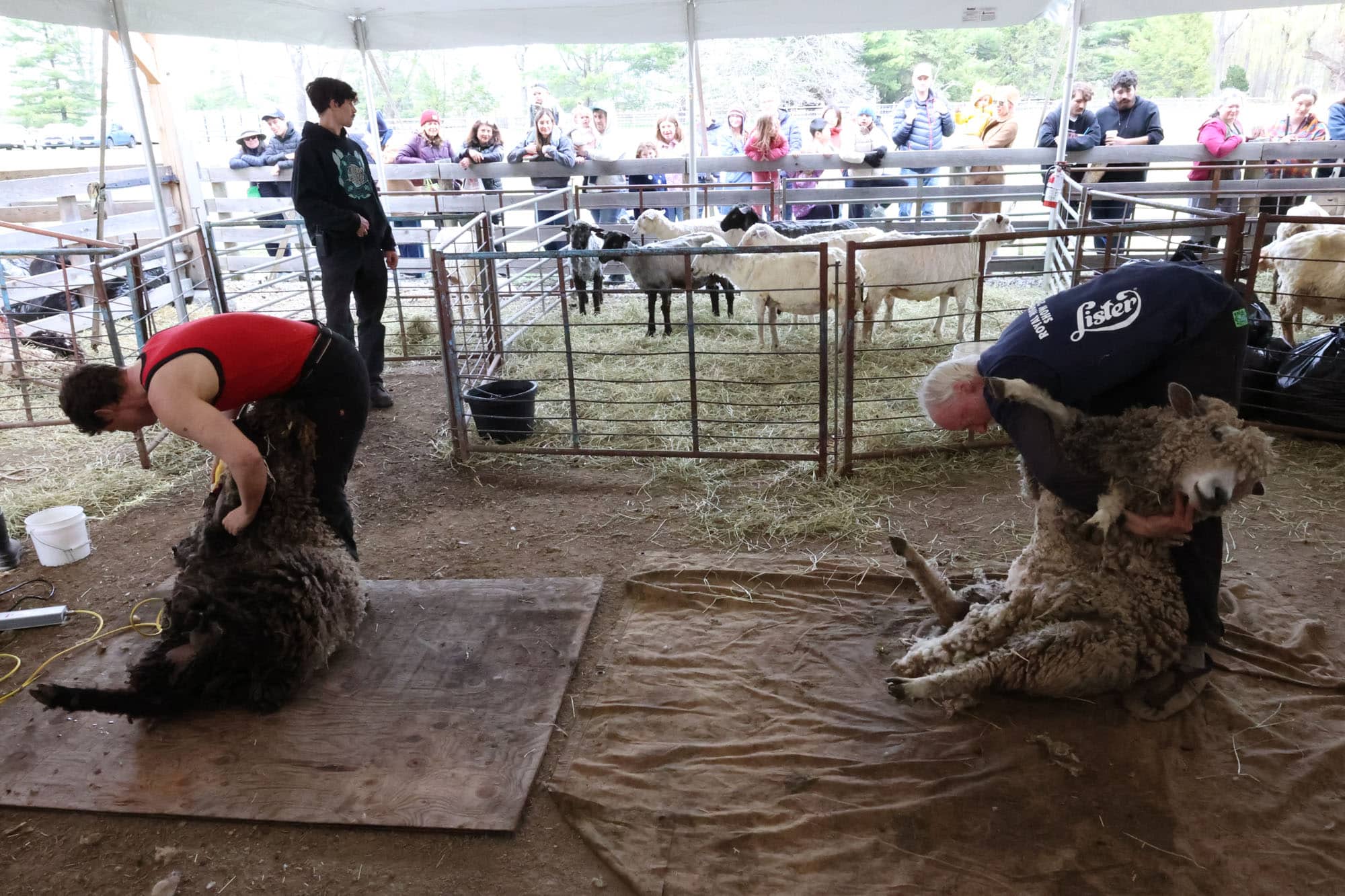
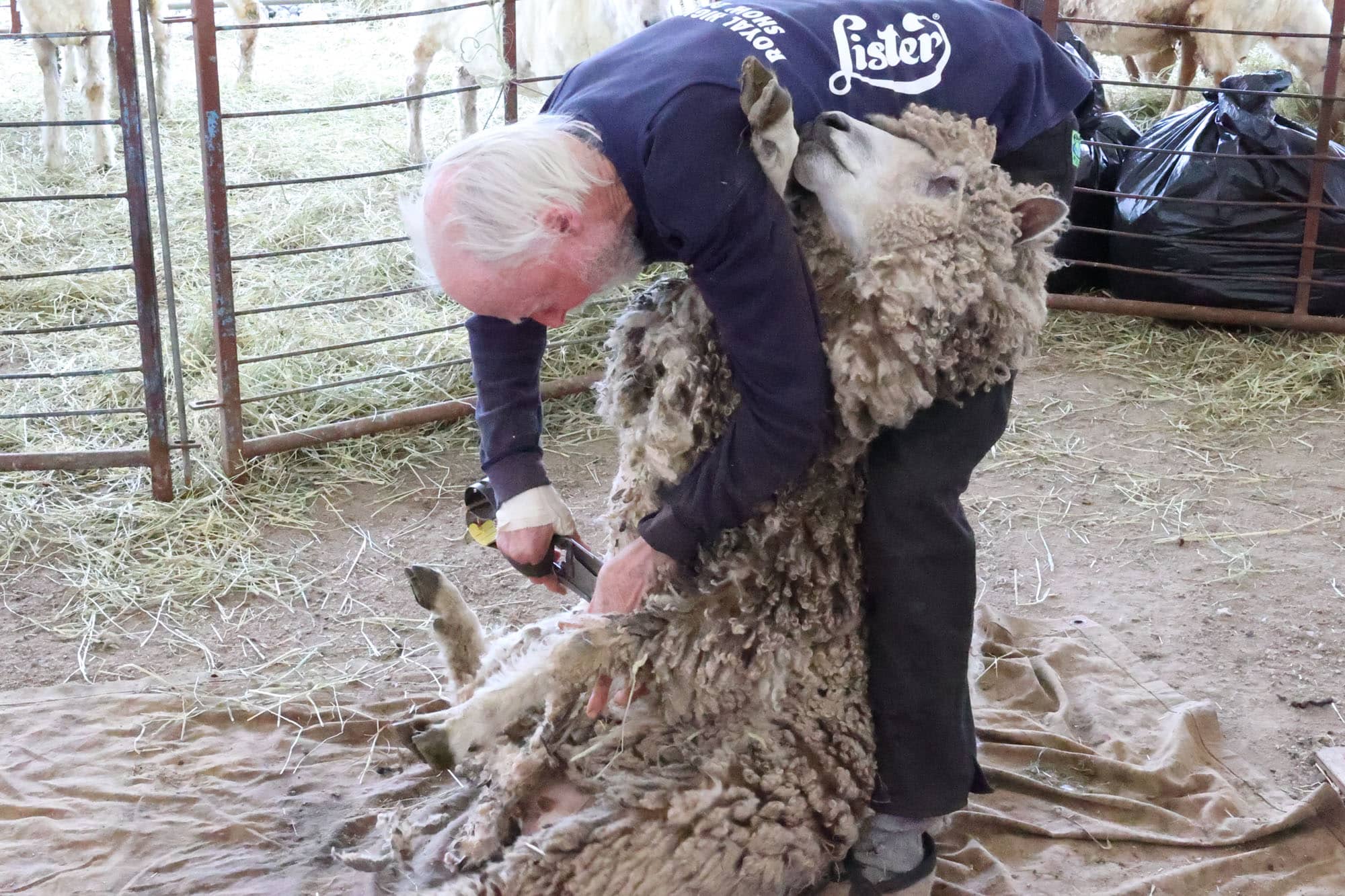
At age 80, Ford said he’s been shearing sheep at Gore Place for around 40 years. He still uses traditional hand shears, while Sullivan used electric shears.
One at a time, they would take a sheep out of the pen to the shearing area. The animal would resist as much as it could, but Ford and Sullivan expertly pulled each sheep onto its back and then carefully cut away at the long woolly fleece. After a while, the sheep would relent and relax into their arms.
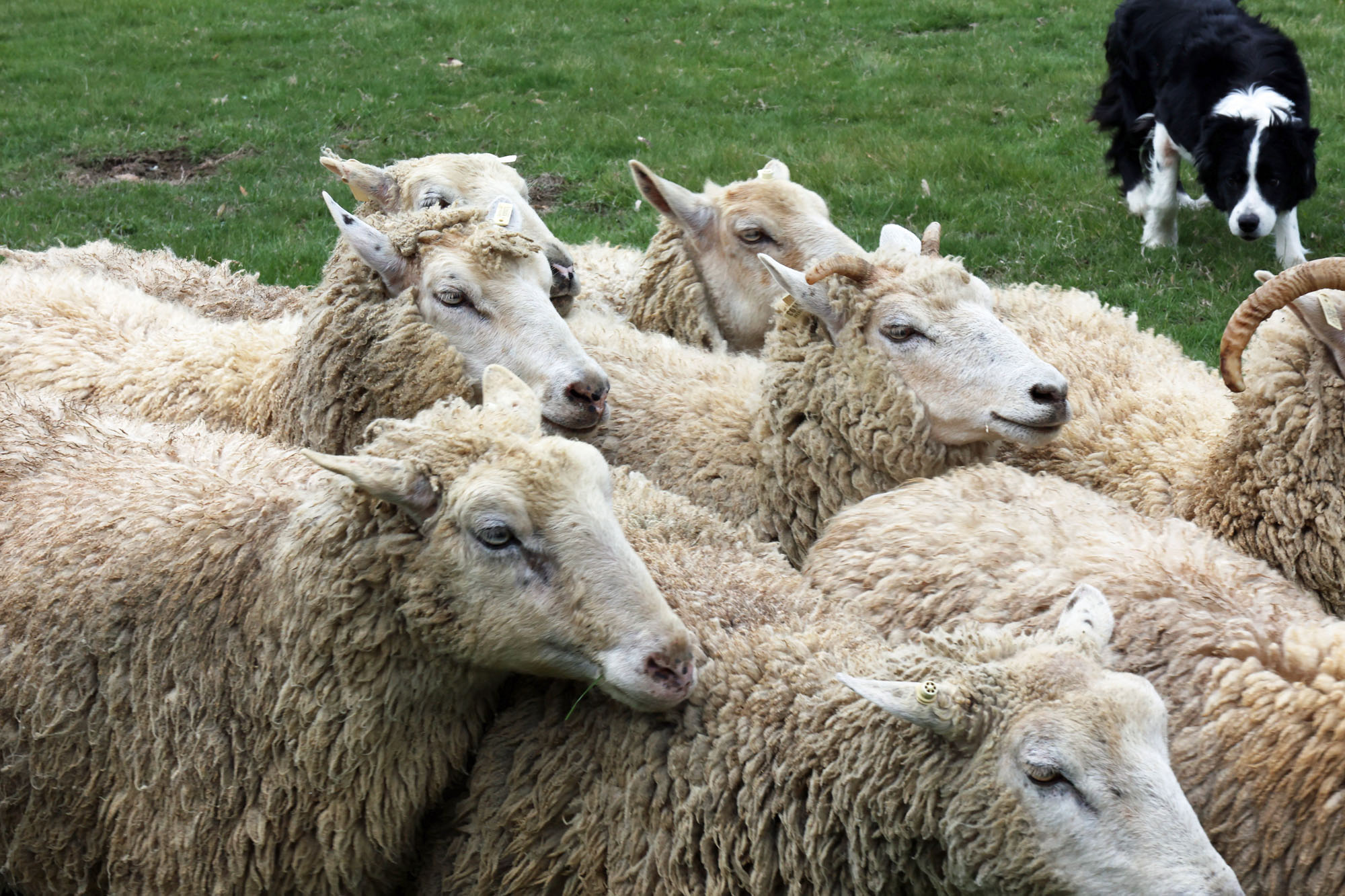
The Gore Place sheep – Leicester Longwool, a rare historic breed – are larger than standard breeds. They usually weigh around 150 to 160 pounds, Ford said.
‘4-H project gone rogue’
Meanwhile, out on the South Lawn, Tim Molinero of Heart Stone Farm in Milton, N.H., and his border collies demonstrated sheepherding. Molinero brought his own sheep to the festival. He and his wife own around 100, he said. They have six border collies but two do not herd sheep.
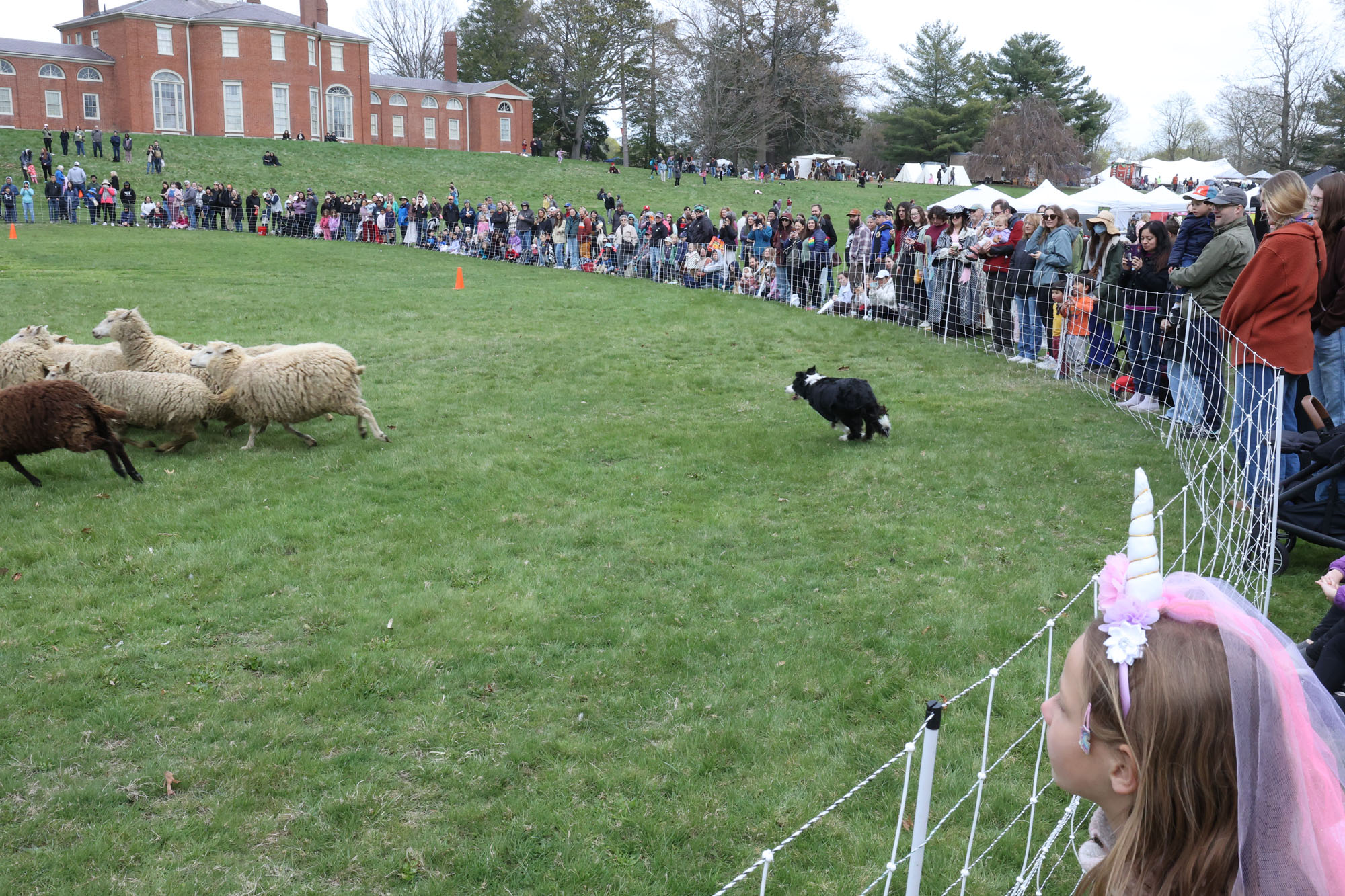
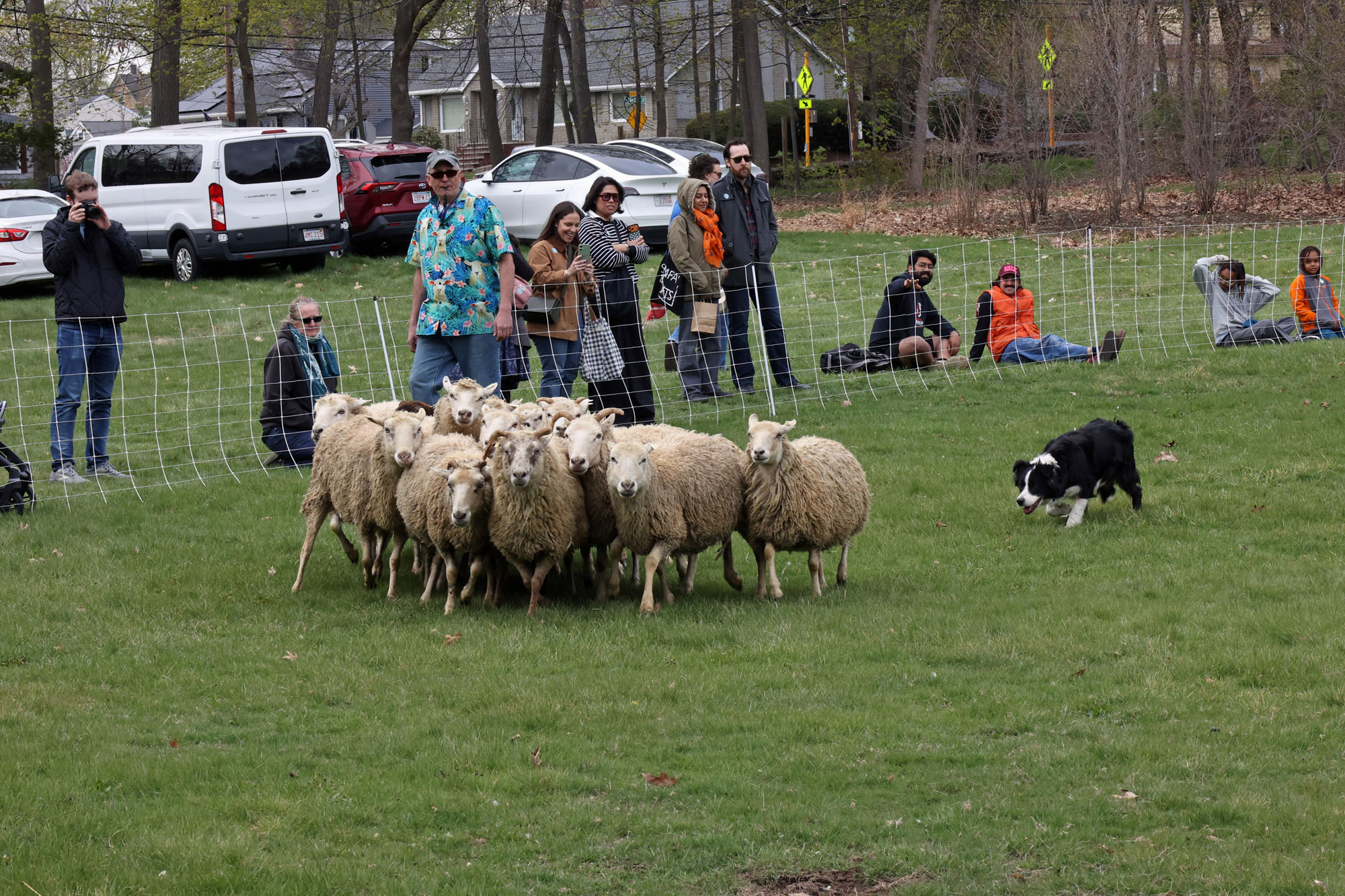
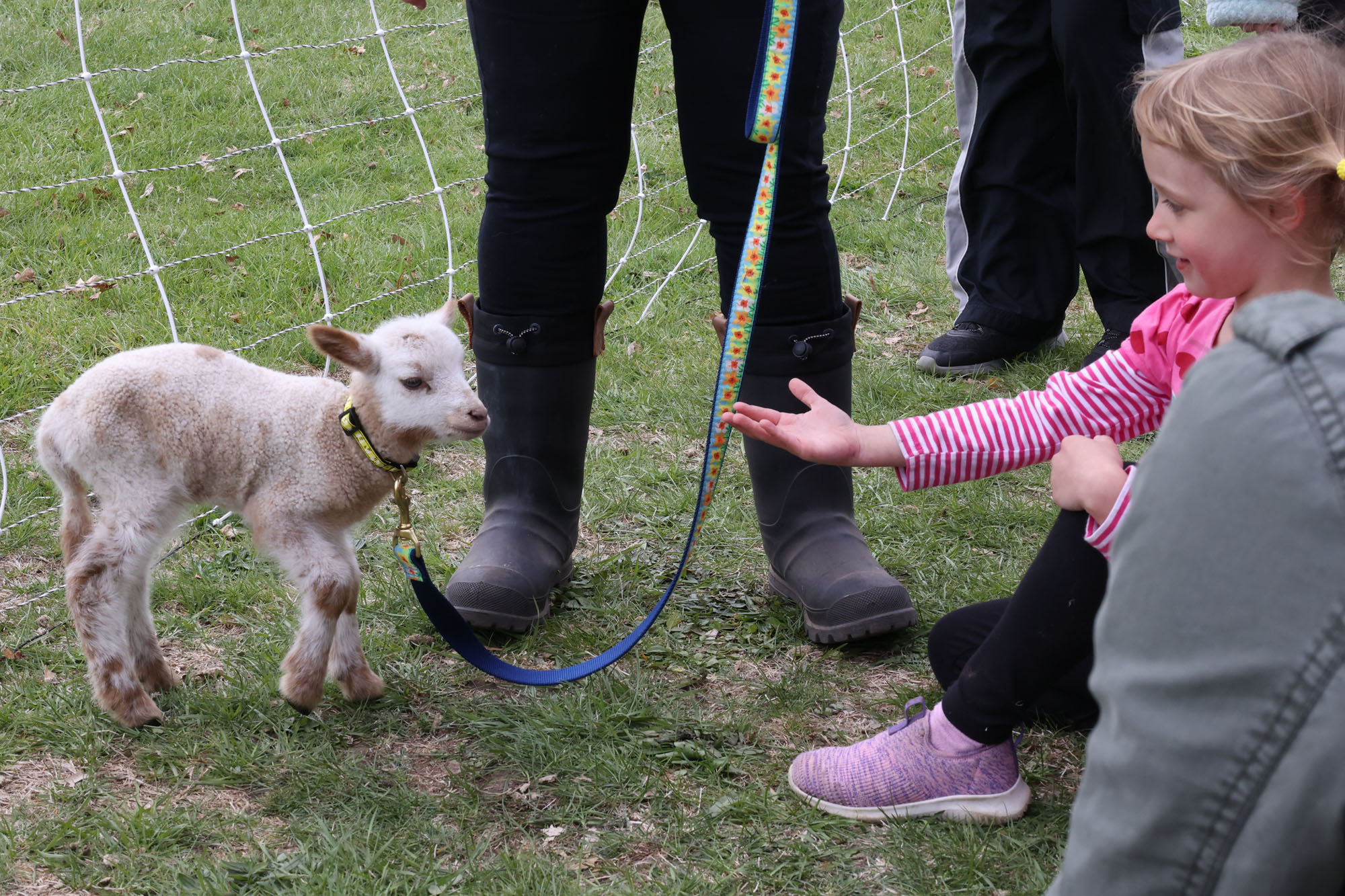
This was the Molineros’ third year doing the sheepherding demonstration at Gore Place. The dogs showed off their herding skills and then walked around the ring eyeing the spectators, occasionally allowing themselves to be petted. Later, the Molineros brought out an 11-day-old lamb, to the delight of all.
In addition to people who work directly with sheep, many of the exhibitors work with wool. A group of women who call themselves Spinners With Soul demonstrated how to spin yarn from wool fiber. One member of the group, Melissa McKenna from Freetown, said she got her first spinning wheel from her mother. Now she has about six of them.
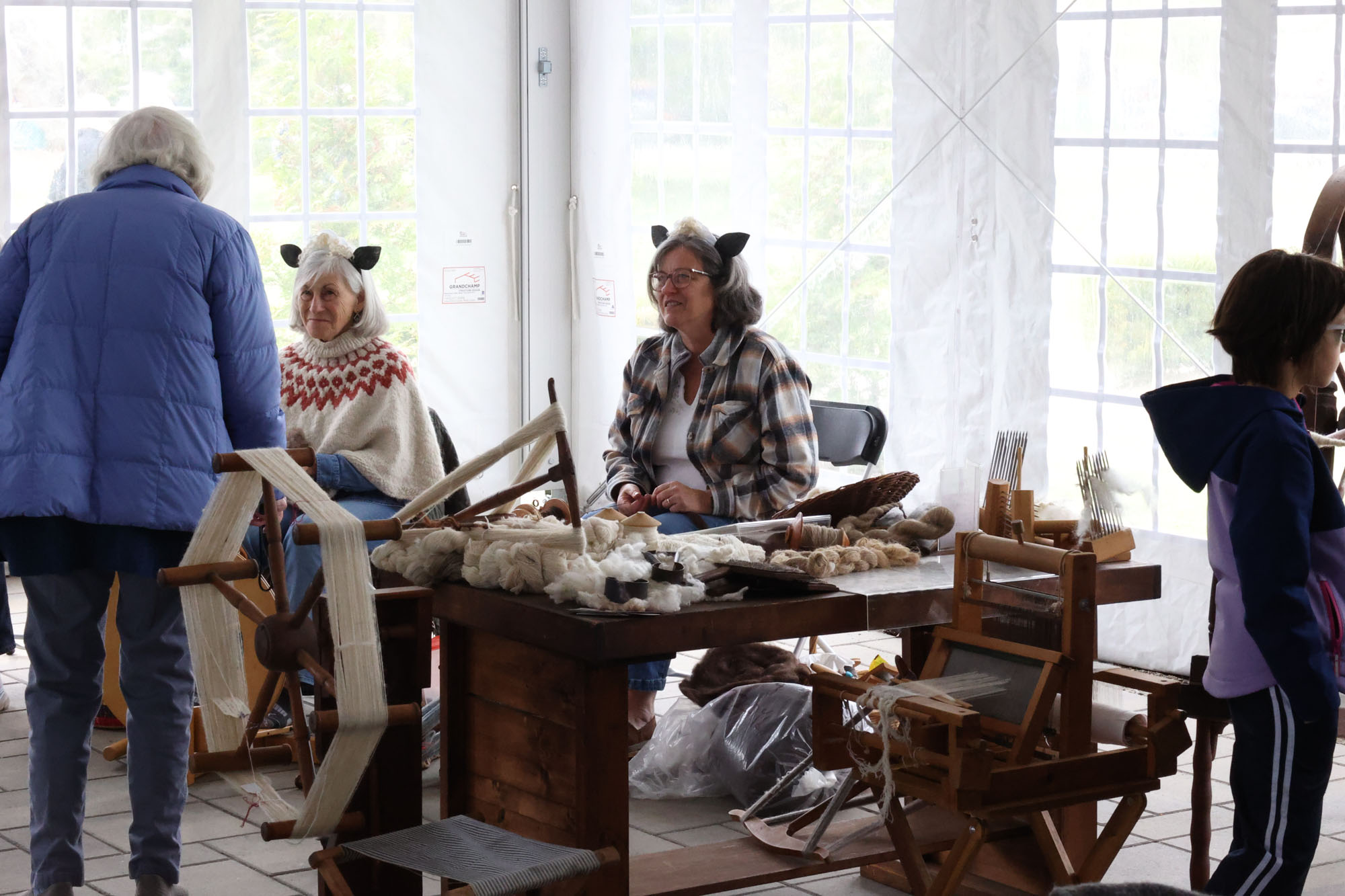
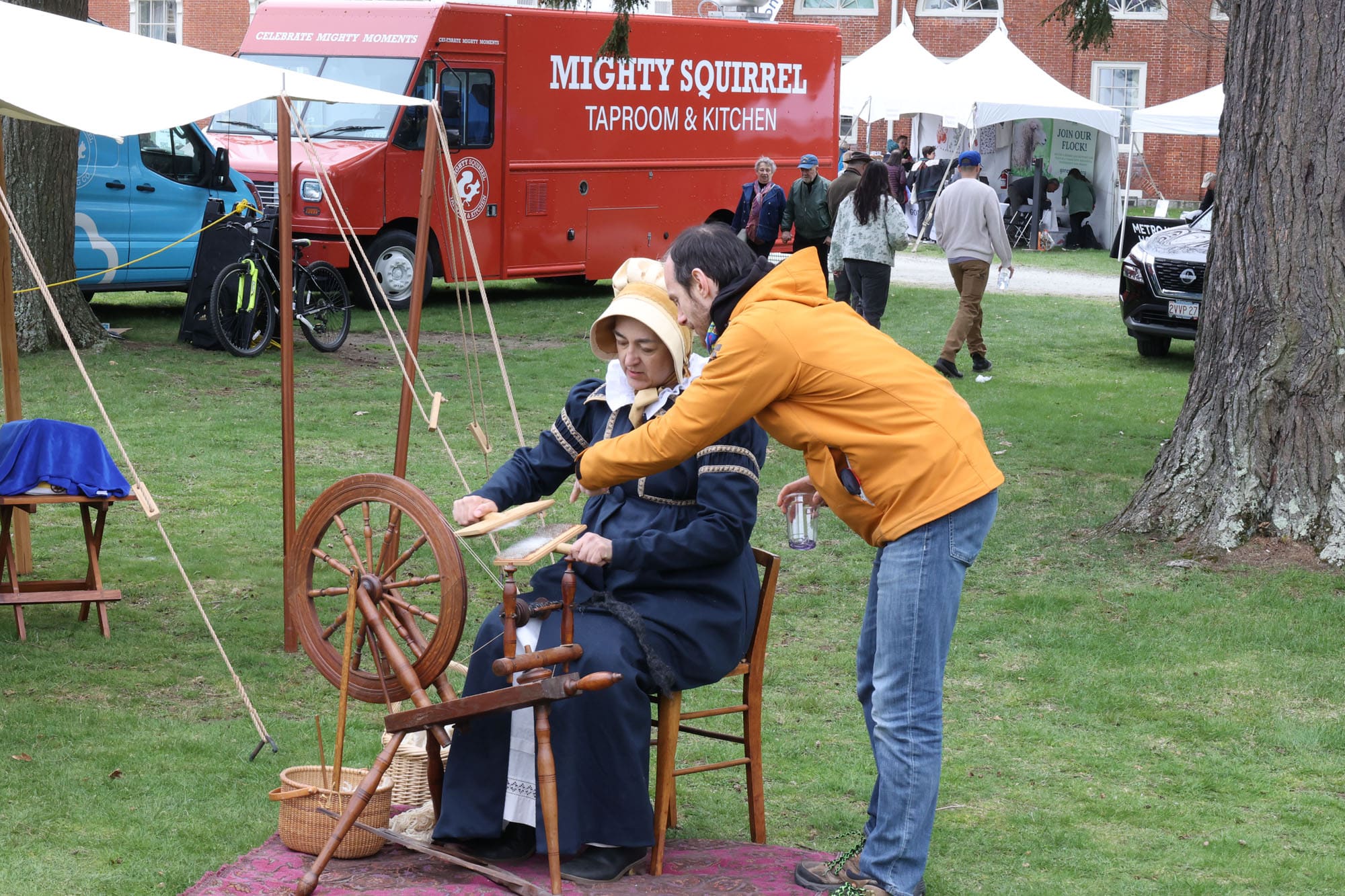
McKenna, who teaches at an agriculture school, also owns a flock of Border Leicester sheep, a long-wool breed with curly locks. It was her children who prompted her to get the sheep. “Mine is a 4-H project gone rogue,” she said. “The kids are grown but I still have the sheep.”
Crafts old and new
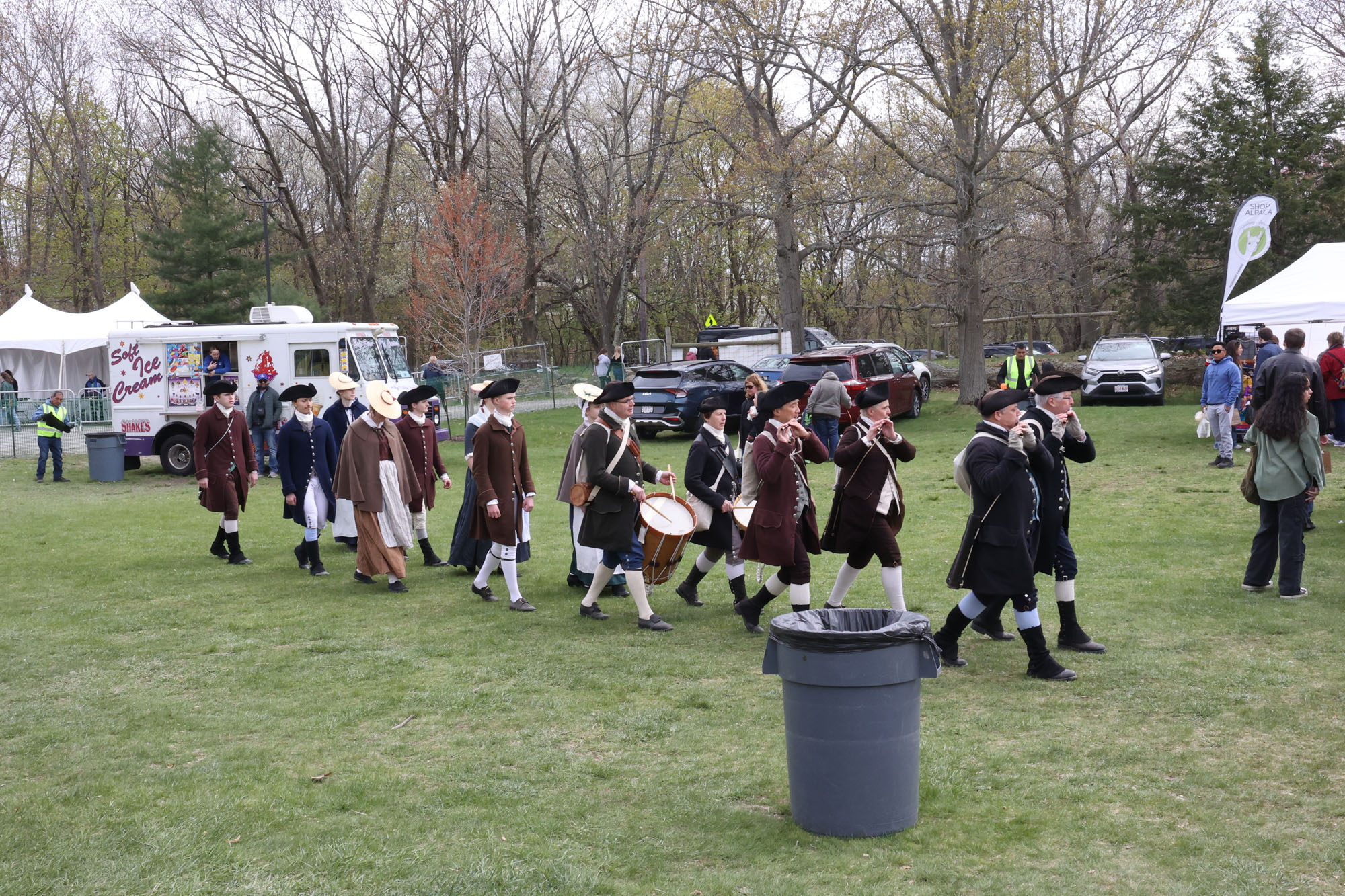
Beyond agriculture, the festival highlights other aspects of early 19th-century life, evoking the pre-industrial era when Gore Place was built.
Christopher Nassise demonstrated how to handcraft traditional furniture. He is a full-time furniture maker and also teaches classes and gives lectures and demonstrations. It was his second time at the Sheepshearing Festival, but he has worked with other historical groups, and he does a few artisan fairs and crafts events a month during the spring and fall, he said.
Working on a comb-back Windsor chair, a design that originally came from England and then “Americans made it their own,” Nassise answered questions from onlookers. One child asked, “What do you do with the wood shavings?” Nassise said he’s asked that a lot. They make great fire starters for wood stoves and fire pits.
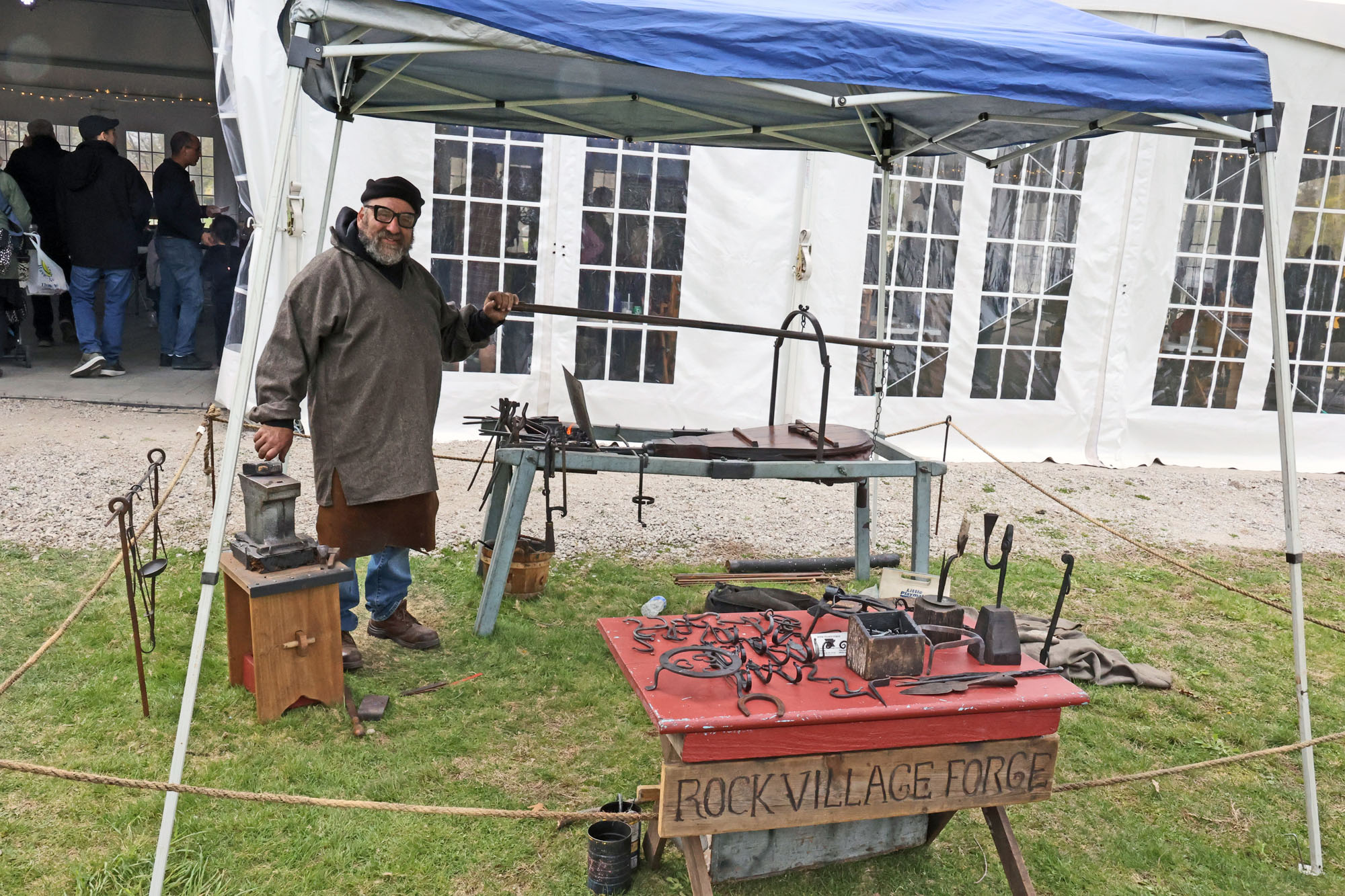
Blacksmith Dean Rantz of Rock Village Forge said little kids are fascinated by his hand-forged iron work. He frequently turned to operate the bellows, pumping air into the charcoal, while children watched the fire grow and asked whether he’d ever burned himself (“yes, of course”).
Rantz makes most of his tools himself, including his anvil, tongs and bellows. Others, like his 200-year-old monkey wrench, he finds at antique markets. He became a blacksmith in college while studying art history and sculpture at Massachusetts College of Art. He enjoys demonstrating his craft at historical societies, museums, fairs and festivals.
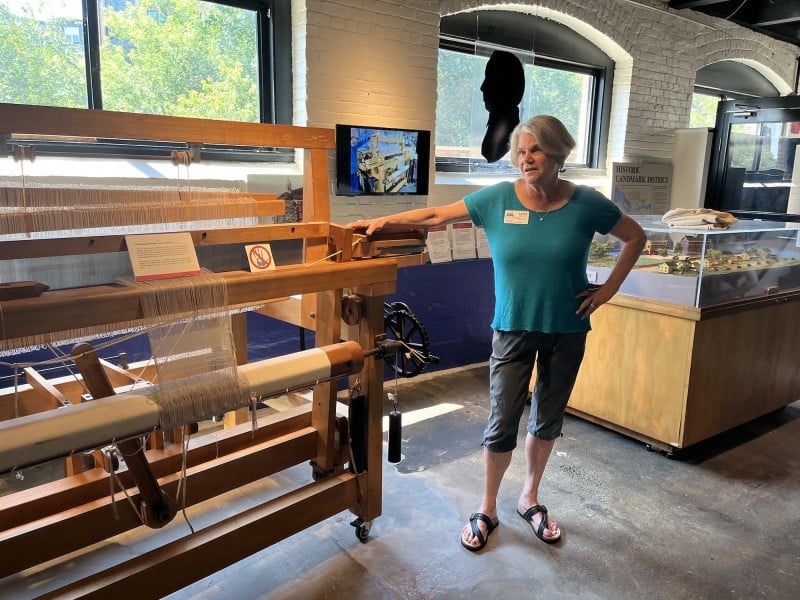
Other artists and craftspeople demonstrated quilting, weaving, felting, live music, dancing, circus acts and a puppet show. A large tent with a few dozen fiber artists also embraced the sheep theme.
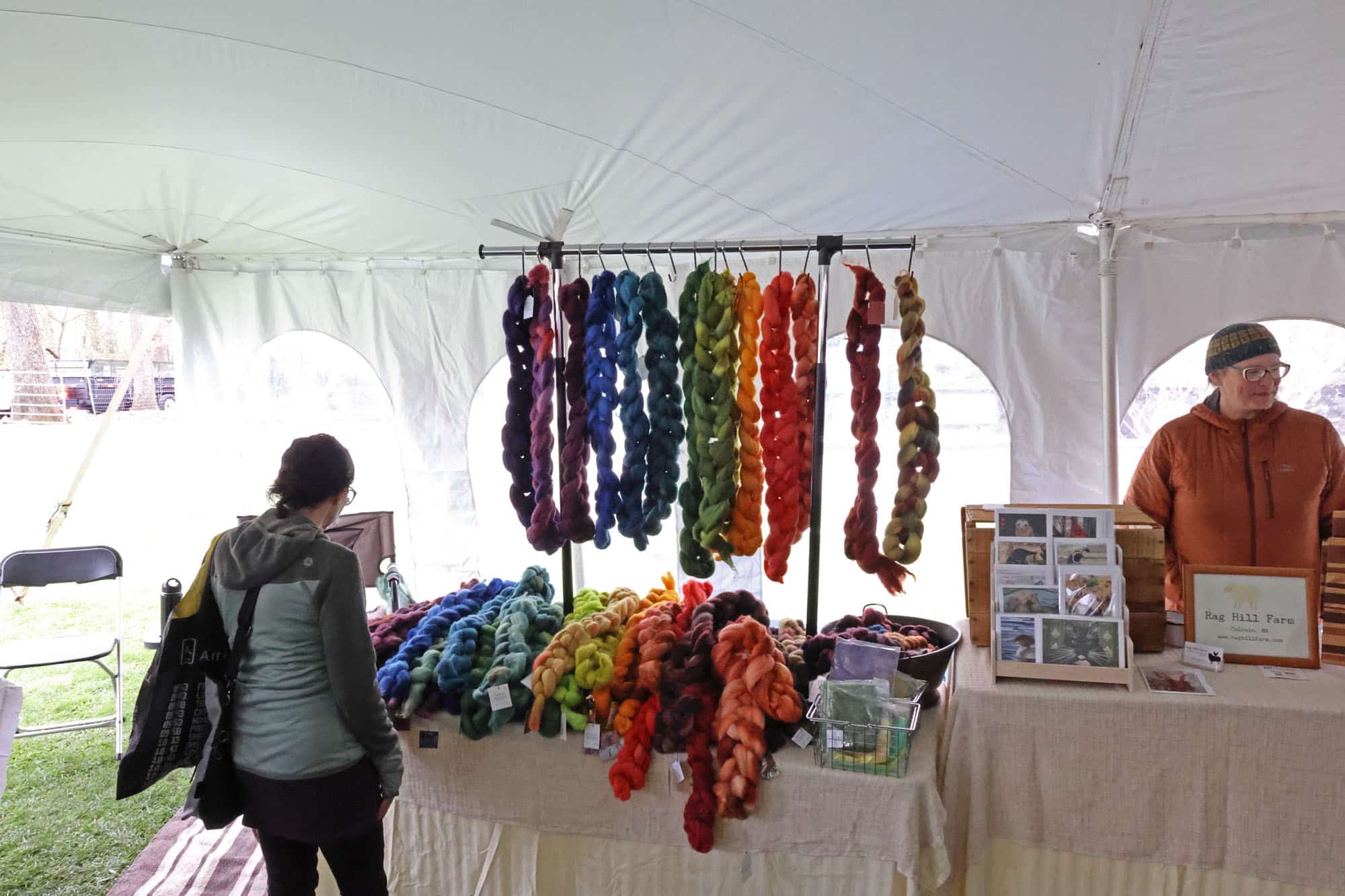
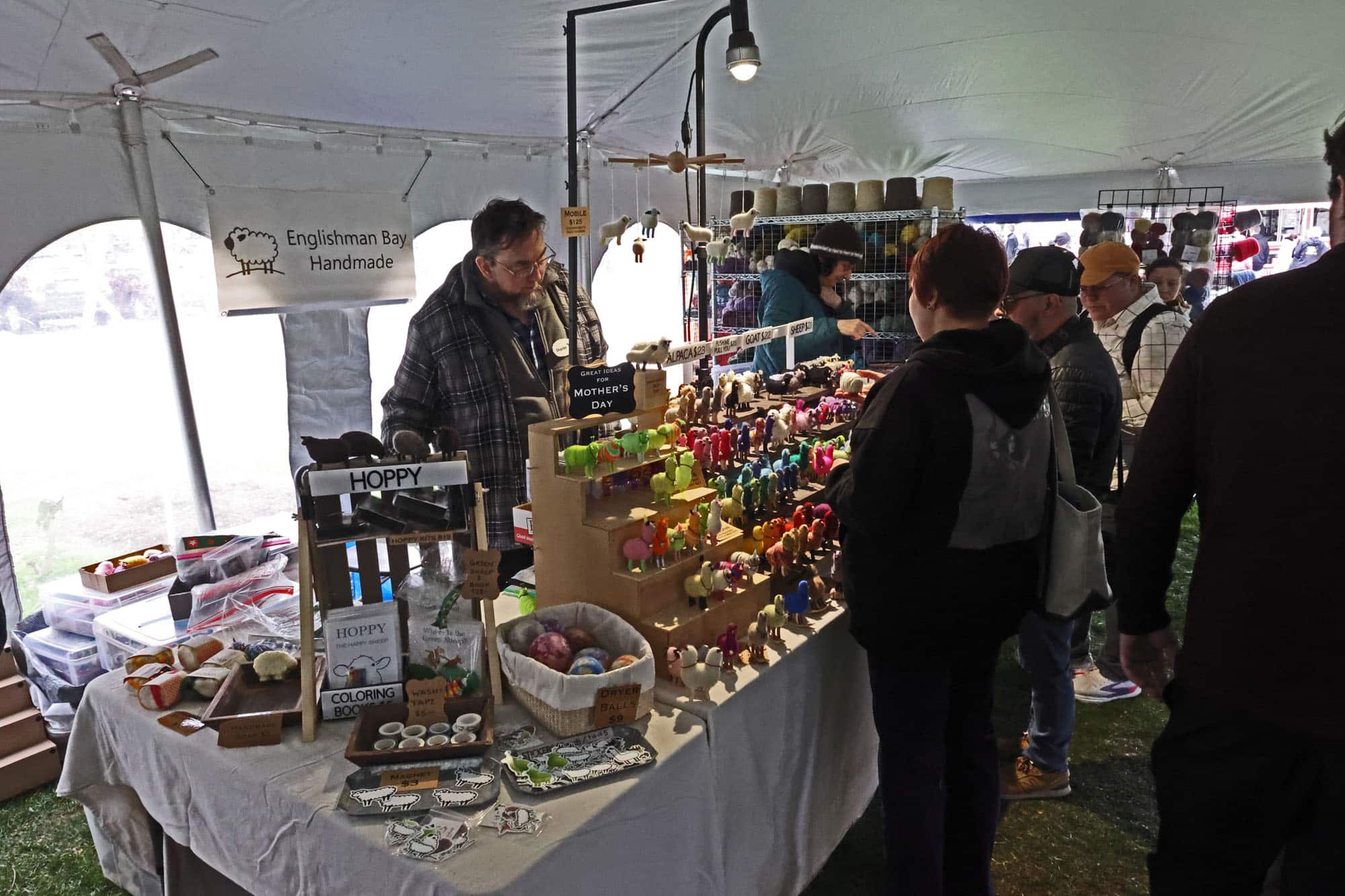
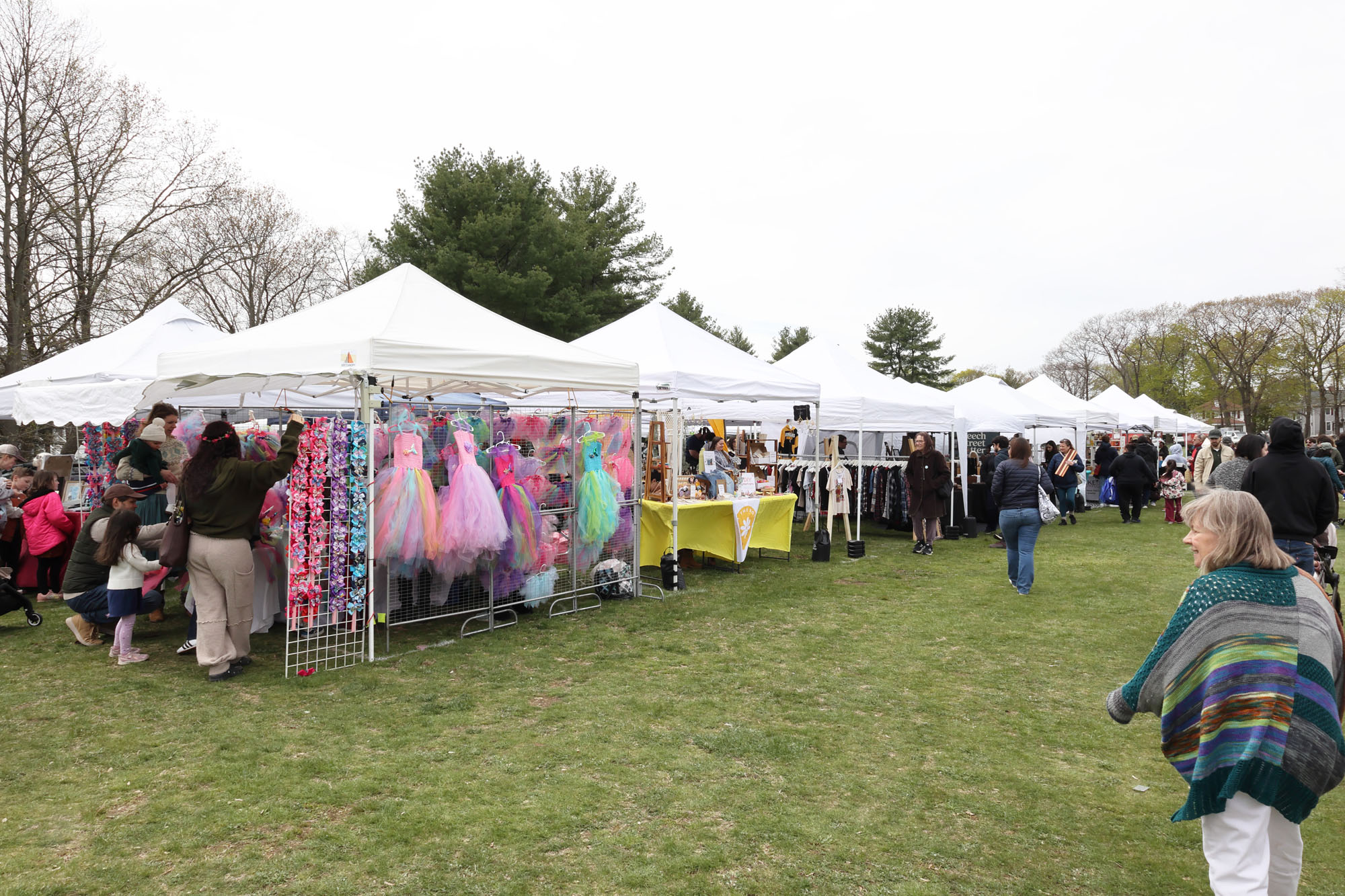
The South Lawn held over 70 craft vendors selling all sorts of handmade items, ranging from soaps, herbal preparations and fudge to pottery, jewelry and fine art. There were accessories for dogs, tutus for girls, and beard oils for men.
On the very end of one row of craft vendors were three alpacas and a llama from Plain View Farm in Hubbardston. Owner Keith Tetreault said he first got interested in llama farming years ago, when “the first llama I ever met kissed me.” Many years later, he bought four alpacas. Today he and his wife own 21 alpacas and three llamas. He shears them himself, and a mill makes the yarn for them, which is made into products like socks and gloves.
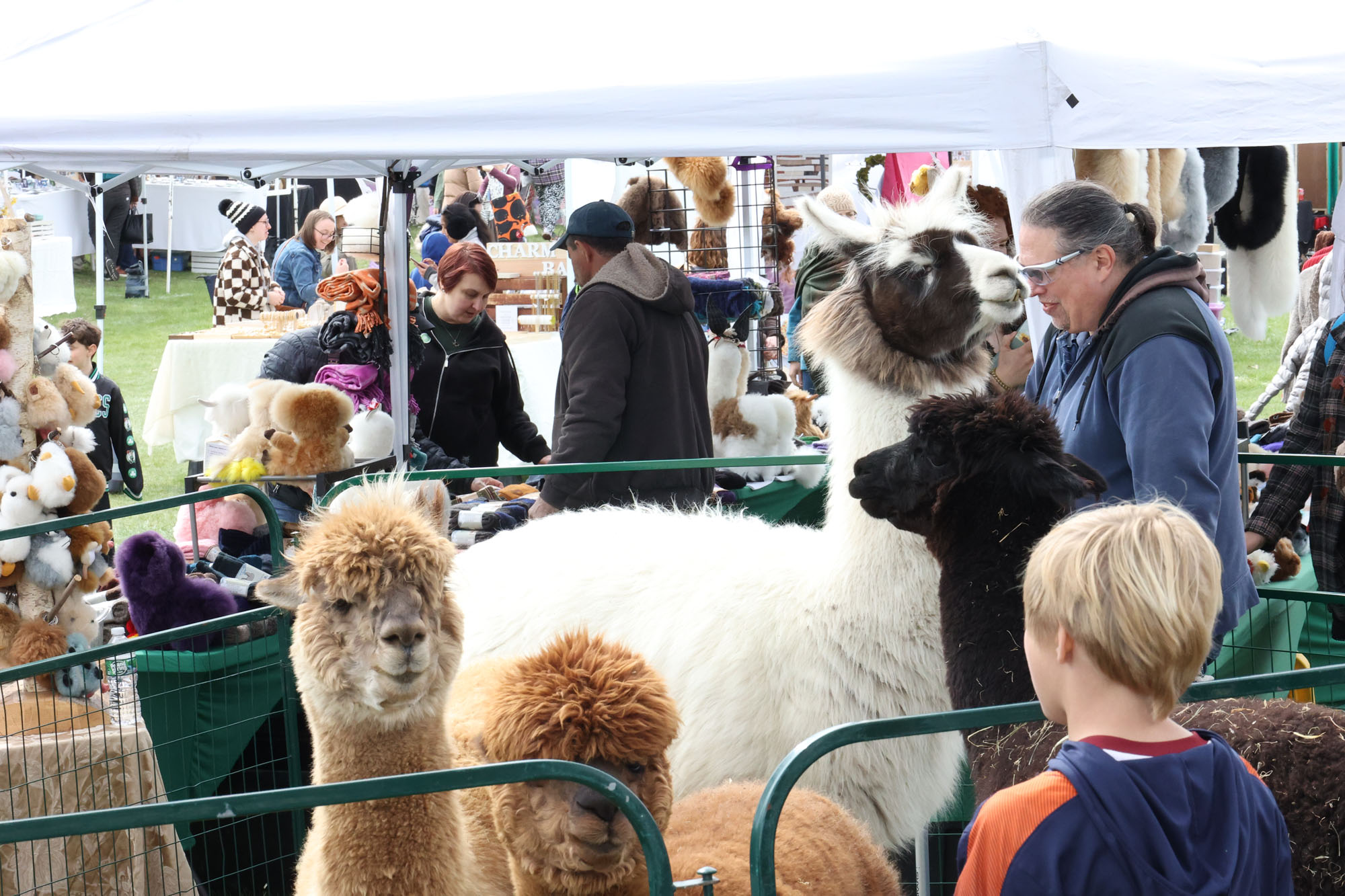
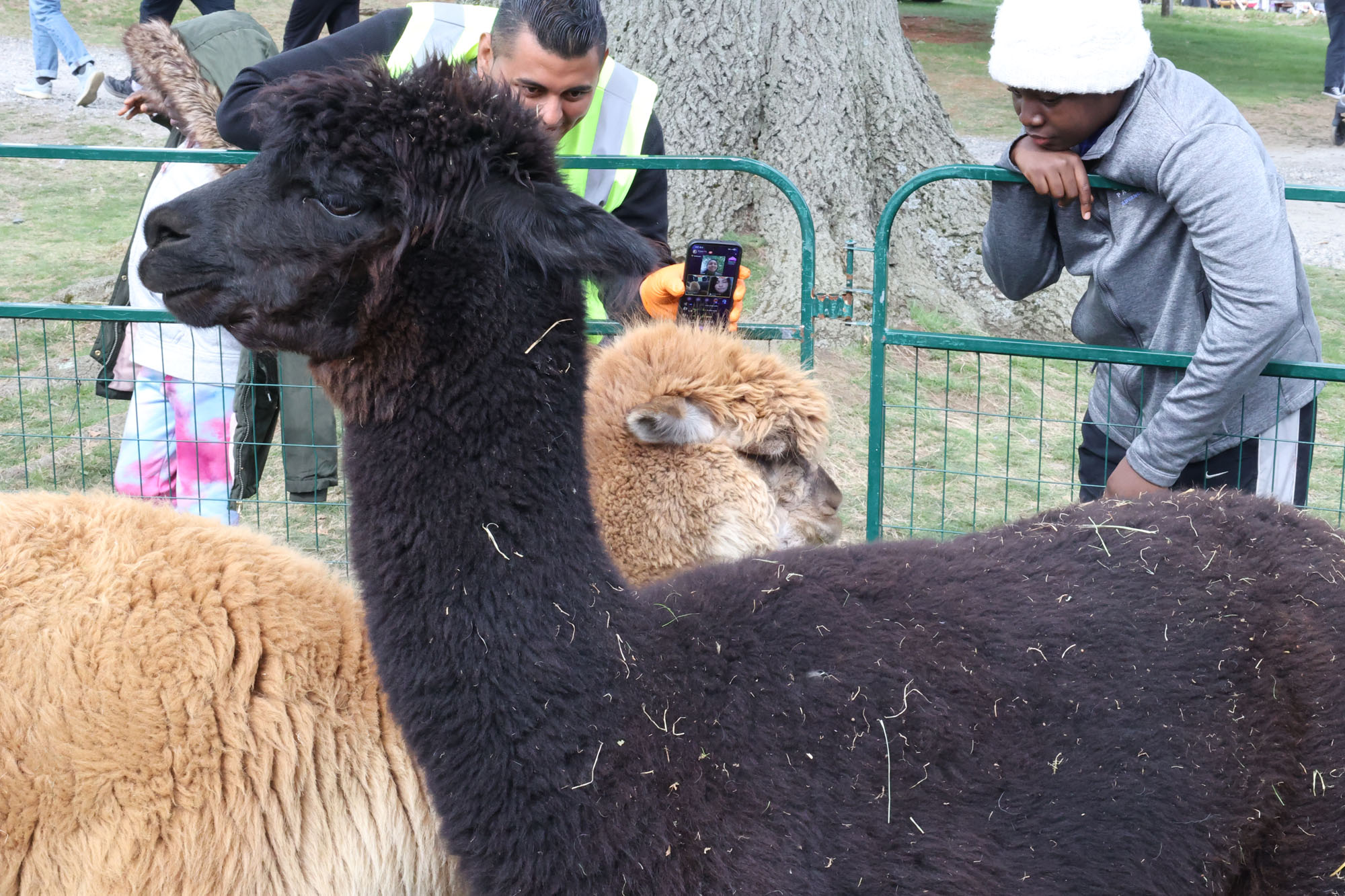
Julia the llama and Chloe, Nutmeg and Pollyanna the alpacas were fairly reserved with the human admirers who offered them food and tried to pet them. Tetreault explained that they are prey animals, so they need to be acutely alert to potential threats. “They will treat you as you prove to be,” he said.
Authors