
Blue Collar 101: The hidden work behind Boston’s water and sewer systems
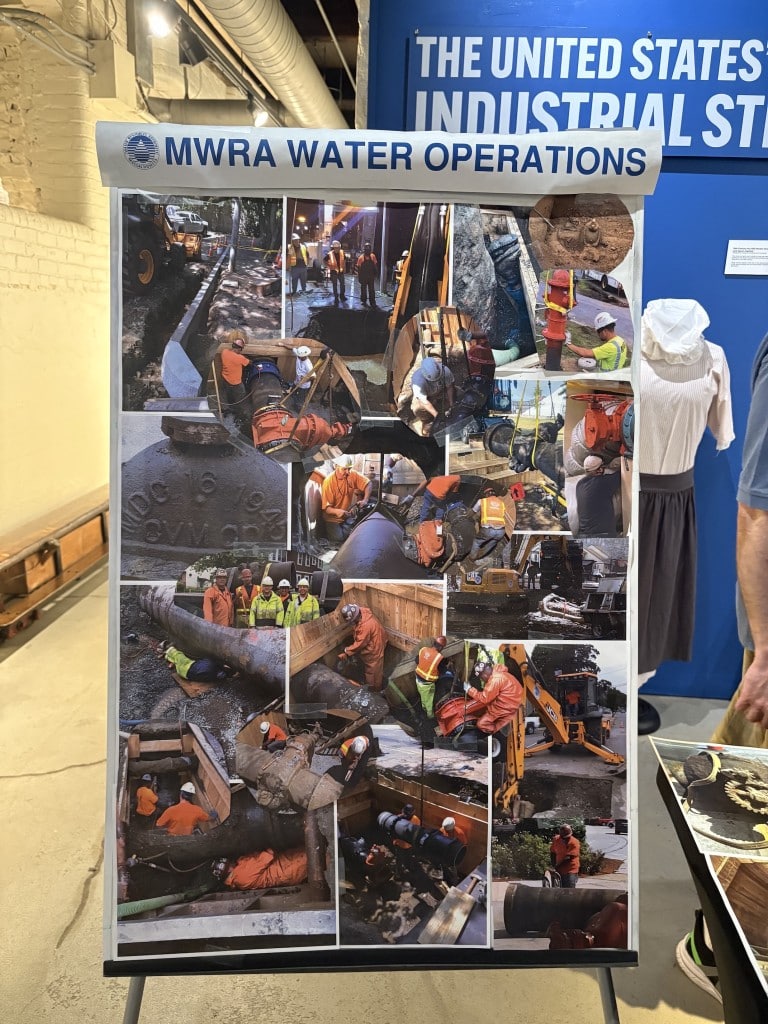
In a recent job, workers removed a 20-inch valve from Boston’s water system. The valve was installed in 1897, making the work not only a civil engineering task but also an encounter with the city’s history and archeology.
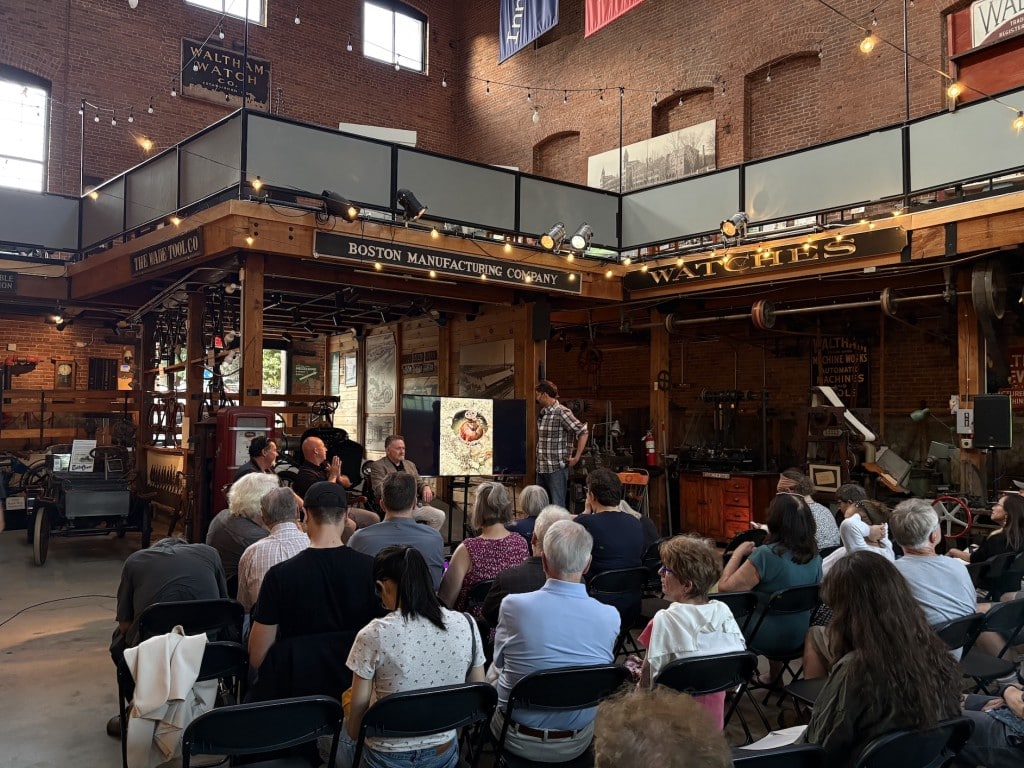
The mix of old infrastructure, unpredictable repairs and skilled labor was at the heart of the Charles River Museum of Industry & Innovation’s Blue Collar 101 panel, “Water, Sewer, and the Hidden Infrastructure of a City.”
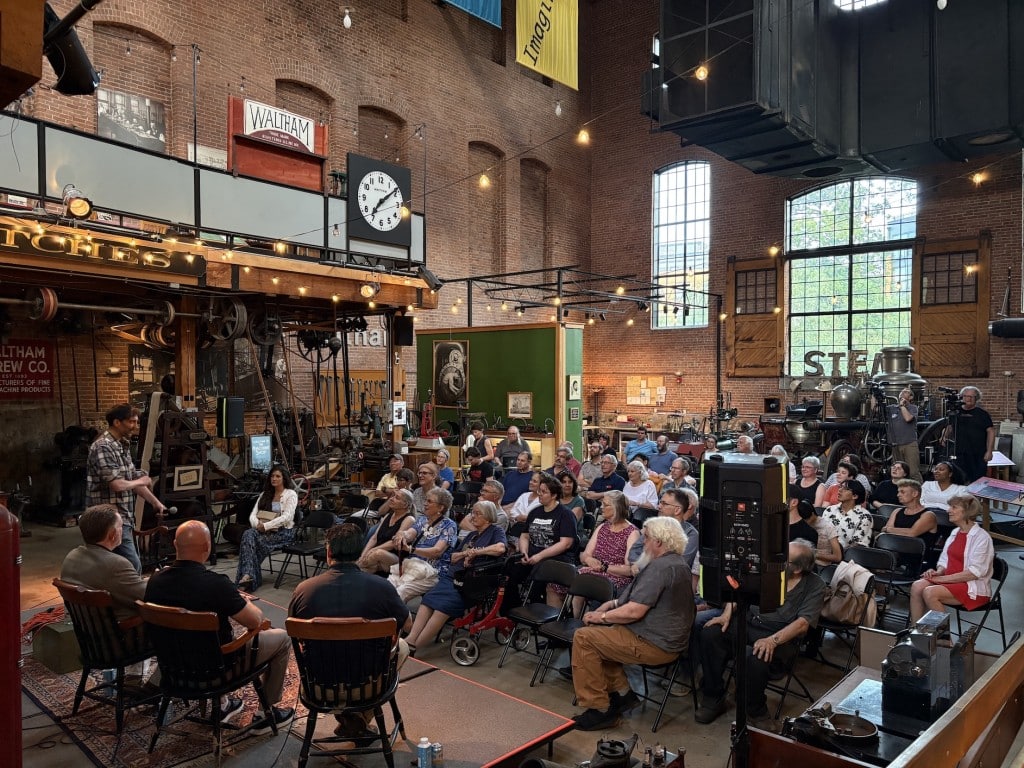
The event took place on June 11 and featured three guest speakers — Walter McLaughlin from the Massachusetts Water Resources Authority, Billy O’Brien from the Boston Water and Sewer Commission and Dennis Collins from the Division of Apprentice Standards.
During the event, the speakers discussed the challenges and the unseen work involved in maintaining Boston’s water and sewer systems. McLaughlin talked about the scale of the water infrastructure.
“The daily consumption rate for the Boston area is probably about 200 million gallons a day. Some of the bigger towns, like Boston, obviously, are roughly around 60 million gallons a day, and then you have smaller towns, but we service about 53 communities, cities and towns,” McLaughlin said.
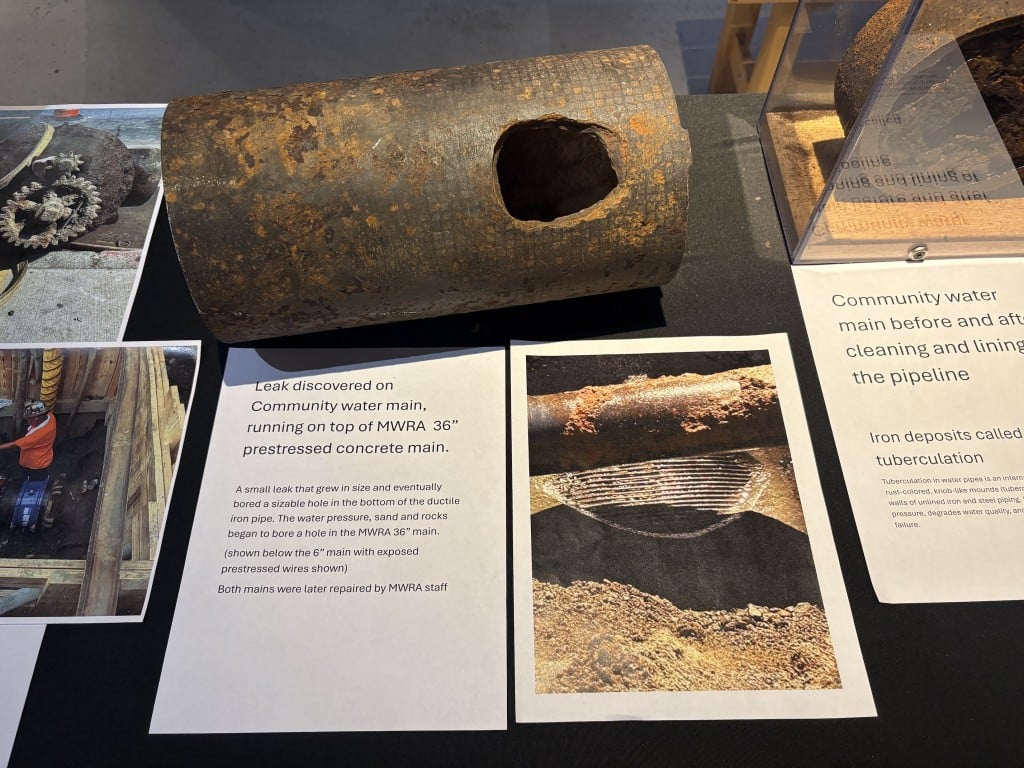
At the museum, guests could also observe the archeological aspect of the job. A wooden pipe was on display, installed in 1790 and in service until 1830. It was used to carry water from Jamaica Pond into the city.
O’Brien discussed the unpredictability of the job, as crews never know exactly what they will find when responding to leaks. The work also involves significant safety concerns.
“But you’ve got to be safe, and you’ve got to find a way to figure it out and make sure you go home safely every night. There’s a lot of stuff in the way out there, and that’s why we call Dig Safe, and that’s why we wait for our mark outs and our details. We do appreciate the public’s patience when we get a street shut down,” O’Brien said.
Spotlighting skilled trades
The June 11 event was the second event in the Blue Collar 101 series, a public education series launched by the Charles River Museum of Industry & Innovation to highlight a variety of skilled labor.
Each event in the series aims to feature experts who build the physical world and who want to share their work and learning paths with the public.
“So [Blue Collar 101] came about as a way to talk about the realities of modern industrial work. In this kind of tech age, where a lot of our technology is behind screens, it’s easy for people to lose sight of the fact that people are still doing these hard manual skill trades jobs every day, and that’s what keeps our city running,” Stephen Guerriero, Director of Education at the Charles River Museum, said.
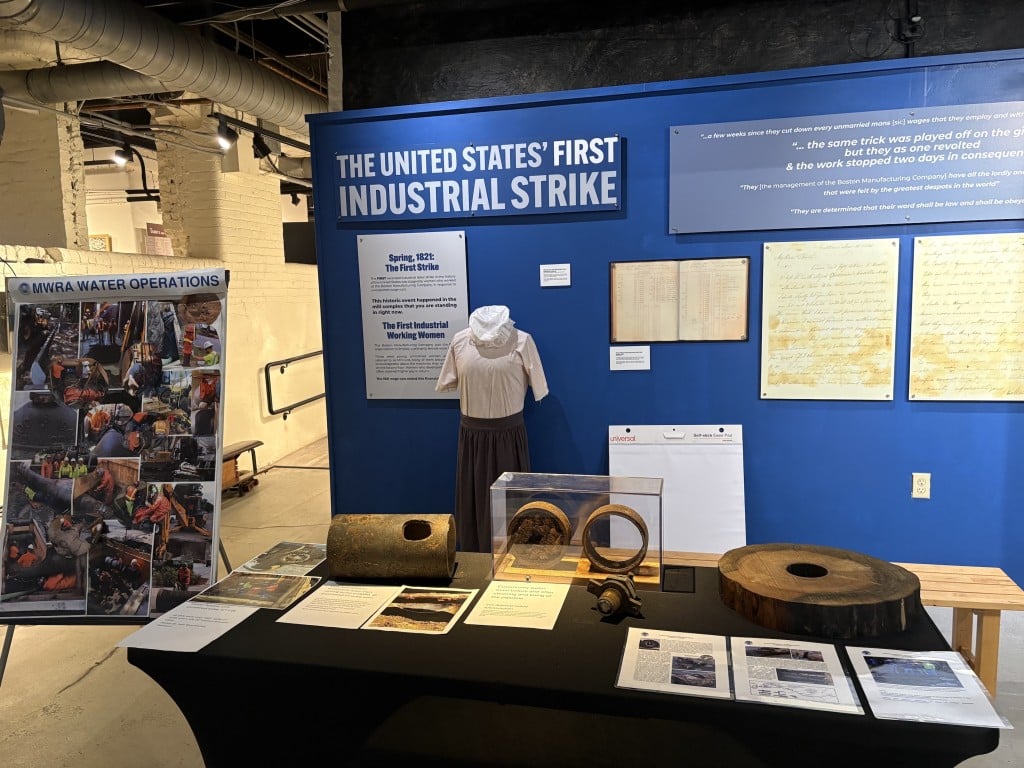
The Charles River Museum of Industry & Innovation hosts this series of events with support from its sponsor, the Lowell Institute. As the museum tells America’s industrial history, Guerriero says that this is the perfect place to “spotlight the skills and innovation of American workers.”
Blue Collar 101 events are free and open to the public. Guerriero said future discussions will continue to spotlight industrial and skilled labor, including an upcoming event featuring workers from the rail industry.
From registered apprenticeships to skilled-labor careers
The June 11 panel also focused on workforce pathways. Collins explained that registered apprenticeships allow workers to earn wages while receiving hands-on training and classroom instruction. He also said that Governor Maura Healey has shown a strong interest in registered apprenticeship, reflecting the state’s broader focus on developing skilled labor.
“Our office has a goal of 100,000 apprentices by 2036, and so we are really pushing registered apprenticeships,” Collins said.
However, there is a challenge to gaining young people’s interest in the industry and manufacturing fields. Collins mentioned that one reason is persuading parents that there is an alternative to college: the debt-free apprenticeship program.
“So it’s really getting particularly young people, because we really need to get young people engaged in the conversation of what their life could be, whether or not you go to college, whether you’re not $100,000 in debt. So that’s part of the training that we do in the pre-apprenticeship phase to get individuals,” Collins said.
As the Blue Collar 101 series continues, the June 11 discussion serves as a reminder of the skilled workers needed to maintain the hidden systems that keep our cities running.
Author





Comments (0)
There are no comments on this article.