
Mayor vetoes Bay Colony redevelopment zoning
A plan for a new commercial and residential mixed-use neighborhood near the Cambridge Reservoir is halted at Mayor Jeannette A. McCarthy’s desk.
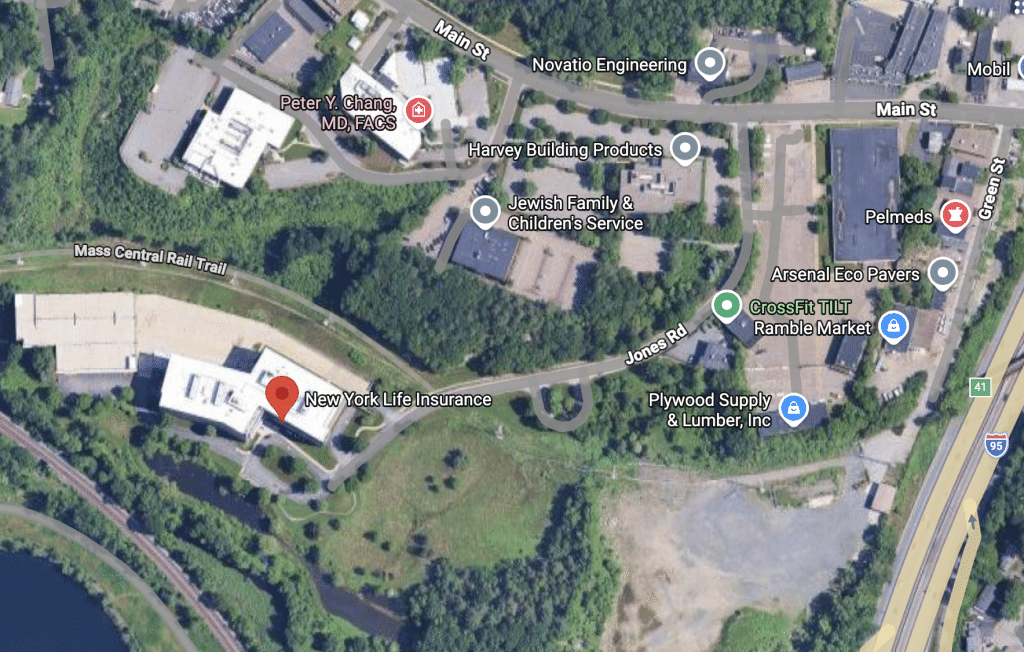
In June the City Council amended the city’s zoning code and ordinances to create three residential and commercial zoning overlay districts, allowing corporations BXP Inc. and 1265 Main Street LLC to build housing on formerly commercial and industrial Waltham properties.
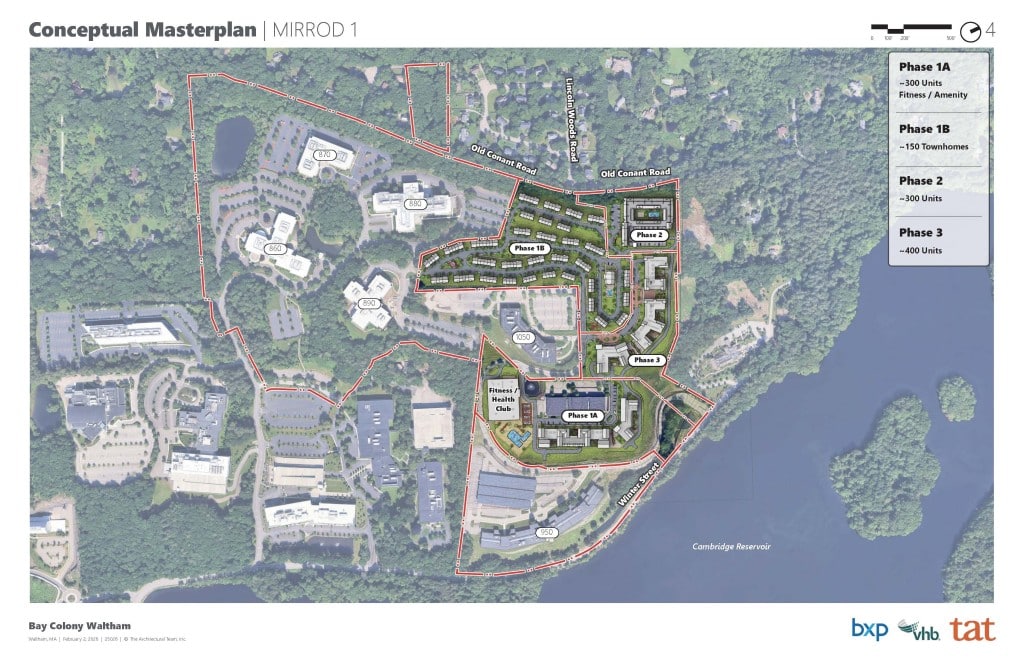
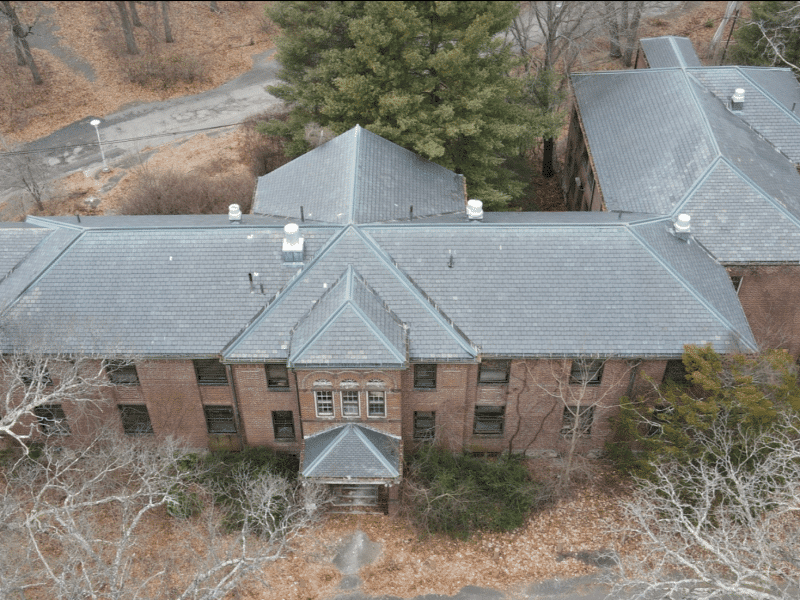
On July 1 McCarthy approved two of the three districts but vetoed the largest and most controversial one, a northeast Waltham parcel casually referred to as the Bay Colony. The land, owned by BXP, currently houses office buildings, some vacant; it borders the residential Lincoln Woods neighborhood, whose residents opposed the project at previous public hearings.
In an email statement, City Council President and Ward 9 Councilor Robert G. Logan confirmed that BXP had been informed of the mayor’s action but wrote that the council will have an opportunity to override her veto at its Aug. 3 special meeting.
Mayor’s concerns
Along with the veto decision, McCarthy submitted a letter laying out her objections to the district.
In it, she argued that the three zoning districts, and especially the Bay Colony, would increase residential and commercial density allowances by substantial amounts. She said they would establish potentially dangerous zoning precedent by lowering parking requirements, discounting parking in lot coverage calculations and redefining building height based on the geography of the sites.
McCarthy added that the Bay Colony is situated beside a residential area and lacks the public transit and bike access of the other two sites that would justify increased density.
In previous sessions of the City Council’s Ordinances and Rules Committee, councilors elected to govern residential construction at the sites by way of non-zoning development agreements that cap housing construction across the three districts at 2,000 units. They voted to allow for more permissive density requirements than would be necessary to build preliminary plans presented by BXP and 1265 Main Street because of future plans to subdivide the lots.
The mayor attached a May report from CommunityScale LLC, an organization hired by the City Council to analyze the impacts of the district. McCarthy wrote that the concerns noted by CommunityScale — including some ambiguities in definitions, questions about how to address the effects of underlying zoning and developments’ combined effect on city infrastructure — were at best partially addressed.
The Ordinances and Rules Committee discussed the CommunityScale report at a May meeting, where it decided to dismiss some recommendations and changed the zoning amendment to address others. Councilors decided to keep some changes fairly ambiguous to allow for future flexibility, emphasizing that they could impose more specific requirements when the companies applied for future special permits.
McCarthy argued that CommunityScale’s concerns could not be addressed sufficiently during the special permit process. She said some of the development’s impacts on city departments, such as Waltham Public Schools, would be impossible to address by special permit, saying Superintendent Marisa Mendonsa had amended previous claims and Waltham’s elementary schools are now at capacity.
Logan wrote that he had been surprised to receive McCarthy’s veto. “When [McCarthy] spoke at the neighborhood meeting earlier this year, she sounded very supportive of this project. … She attended [meetings] on at least a couple of occasions but never expressed these concerns.”
He emphasized that the City Council had fully vetted its proposed zoning amendments. He also stressed that the city had a safeguard against unwelcome development: Even after Waltham adopted the amendments, BXP would have to return to the City Council to obtain a special permit for any development under the new overlay district.
McCarthy’s veto comes at a time when the city is concerned about rapid future residential growth. Last fall McCarthy similarly got involved in hearings to build a Main Street residential development under Massachusetts General Law Chapter 40B with a letter that outlined her concerns for how new residents in formerly commercial areas would impact the city’s infrastructure.
McCarthy declined to provide comment beyond her letter on the matter. BXP representatives did not respond to requests for comment by the time of publication.
Author

Comments (10)
Leave a comment
When commenting, please keep in mind we are a small non-profit focused on serving our community. Our commenting policy is simple:
- Common sense civility: we’re all neighbors, but we can disagree.
- Full name required: no anonymous comments.
- Assume the best of your neighbors.


It is highly concerning to see a single office block a year’s worth of intensive, public vetting by our full City Council. The Council represents every ward and neighborhood across Waltham; they are the elected body closest to the residents, and they spent months working through the technicalities, listening to public feedback, and collaborating with experts to find a compromise that protects our tax base while funding critical infrastructure.
While the Mayor raises technical points, the Council already factored those in by retaining ultimate control through the future special permit process. Overturning the collective work and consensus of the city’s entire legislative body feels like a massive step backward for local representative democracy. If the Mayor had these fundamental objections, why were they not presented during the months of open committee hearings instead of at the final hour via a unilateral stroke of a pen? The people deserve to hear all concerns during open public discussions so everyone can be a part of the decision-making process. Introducing these complex objections at this stage unfortunately creates an incredibly compressed, mid-summer timeline that leaves very little room to thoroughly resolve these issues before the August 3rd vote. I hope the Council exercises its authority on August 3rd to uphold the collaborative work of our elected representatives.
I couldn’t agree more with you.
You make excellent points. but there are concerns that must be met with definitive answers. These concerns address infrastructure deficits in water, sewer, electricity capacity, transportation and city services. Some of these were vaguely addressed but other were left to ‘we’ll figure it out.’ We need definitive answers on how these things will be solved and who’ll pay for them. There’s a known deficit in electricity capacity within many parts of Waltham; the Commonwealth’s mandate for electrified buildings cannot be met with the existing infrastructure for existing buildings. With electricity prices already at record levels and spiraling higher, the Mayor was right to veto this project until such a time the answers to the deficits can be answered, quantified and assigned to the developer, not the ratepayers and taxpayers of Waltham.
Gary, we know that this area has the infrastructure capacity to handle development because *it is already developed* with office and other commercial buildings, which have an electricity consumption rate comparable to apartments.
Additionally, BXP conducted a fiscal analysis which shows that Bay Colony redevelopment will generate tax revenues far in excess of the cost burden to city services, resulting in a $2 million profit to the city which will *lower* taxes for existing residents.
Lastly, specifically in regard to sewage, Waltham already manages this on a project-by-project basis for new development. These developments will reduce the burden on the sewer system by removing 4 gallons of infiltration/inflow into the sewer system for every 1 gallon of sewage produced by the development.
This development will more than pay for itself, and the infrastructure exists to manage it. There is no merit behind the Mayor’s veto; she’s just ignoring the already established facts to block new housing.
source for energy usage: https://portfoliomanager.energystar.gov/pdf/reference/US%20National%20Median%20Table.pdf
source for fiscal analysis: https://drive.google.com/file/d/1-sugig8BZNtsmvHXQ4EvlOpeWogm6eyP/view?usp=sharing
source for sewer mitigation: https://ecode360.com/26935454#26935454
why isn’t anyone talking about police and fire? that 2 million isn’t even a drop in the bucket to build a new station and add the amount of firefighters needed to run it. how many police do you think that 2 million will fund. I have yet to see anything about emergency response times coming from the council. The mayor is absolutely right on this. I do agree she should have brought these concerns up right away. the city hired a company and the city council basically blew past it. Makes you wonder if anyone in the city council is on some payroll! how much is this going to cost the taxpayer in this city? The city is growing at a faster pace than it can keep up with. Hire a professional planning company to make a hundred year plan. do it the right way!
Please read the fiscal impact study, this has already been accounted for. This development will contribute $7 million a year in taxes. Once you factor in the costs to fund police, fire, schools, etc, this development will still have a net benefit of $2 Million dollars, which means lower taxes for existing residents.
Tom, what a fantastic and well researched comment! Thanks for the effort and the additional information you’ve provided.
How is this comment well researched? You do understand the city needs to build a new fire station. What’s the cost of that? Two new trucks. What’s the cost of that? Then staff and grow just the fire department. Not including that the schools are at max capacity. Where does that fit in? New teachers will have to be added. Not to mention the 5-10 new cops. That’s new cruisers, more health insurance, ot to pay for. I don’t really see how 7 million a year pays for all of that just by doing basic math. This will cost the city in the long run. Not even talking about all the other developments. Our services are already strained to the max. Thank you to the mayor for not just looking at today but looking in the future and what a burden this will add to our city and the services they provide
How does $7 million cover the cost of the fire department alone? It’s not just buying additional trucks. You have to hire enough firefighters to staff them 24/7, pay salaries, benefits, overtime, and maintain the apparatus. Then there’s the cost of operating the station itself…heat, electricity, water, maintenance, repairs, insurance, and all the day-to-day expenses of keeping the building running. And this is after you break ground on site and before you even add police, schools, DPW, and other municipal services. Please continue on about how $7 million covers all of that.
The mayor is putting the city council in a tough spot here. We need the tax revenue this redevelopment will raise – the alternative is raising taxes on residents.
(never mind that we need housing in this city as well!)
Just two days ago, this was published!
https://walthamtimes.org/2026/07/05/analysis-city-reckons-with-increasing-costs-development-changes-at-budget-hearings/