
Let’s get out of opposing corners to plan Waltham’s future together
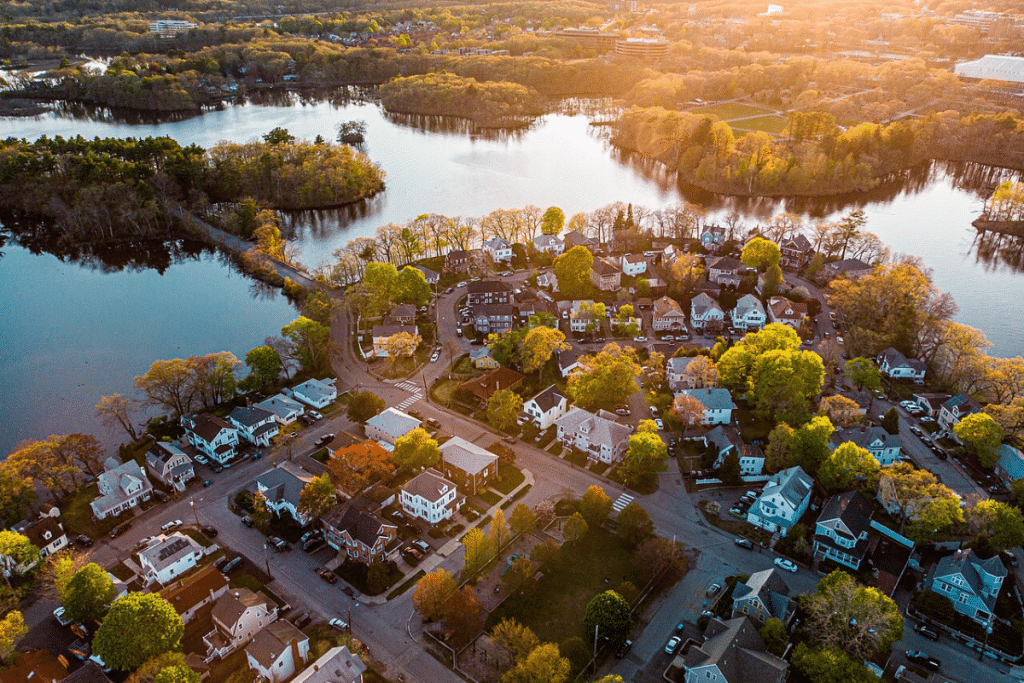
This past year’s city council hearings about the RCI zoning overlay amendments, alongside the Zoning Board of Appeals debates regarding the Watch Factory Lofts, and the mayor’s unexpected veto of the Bay Colony, cast a spotlight on Waltham’s housing impasse: the friction between project-by-project reviews and proactive planning.
When we rely on a case-by-case process, we force residents, developers and officials into opposing corners. Whether replacing underutilized parking at the Watch Factory or debating property lines near Lincoln Woods, this fosters a win-lose mindset. As one resident said during the RCI testimony: “When you live there, you have to fight for your homes.”
No one wants to feel like they have to fight to protect their neighborhood. Yet, when a system relies on project-specific amendments, uncertainty reigns. We saw this when the mayor used gray areas in the city council’s CommunityScale report to justify her veto. This highlights the core of our problem: a technical update only fixes rules on paper. Without a master plan to establish long-term goals, we risk falling back on the variances, vetoes and special permits that create our current gridlock.
This gridlock doesn’t just stall paperwork — it paralyzes our management of Waltham’s regional housing demand. As an economic engine, Waltham holds a larger share of rental housing than neighboring municipalities.
However, that baseline only tells half the story. Our housing squeeze is the hangover of decades of commercial growth, which brought workers into Waltham without a plan to house them. Even as the office market cools, the massive housing deficit remains.
By replacing reactive zoning with a master plan, we can protect our infrastructure. That will ensure new development never outpaces roadway, utility and school capacity. With that foundation of control, we gain the leverage to expand housing options on our own terms – specifically for the young professionals, teachers and first responders who keep Waltham running.
To move past this project-specific approach toward a collaborative blueprint, I propose three actionable paths:
1. Unite grassroots advocacy with city leadership. Waltham’s housing advocates have laid the groundwork. The Waltham Community Leadership Group (WCLG) vitally elevates unhoused neighbors’ voices, while Waltham Inclusive Neighborhoods (WIN) champions transit-oriented zoning reforms. Additionally, homeowners, tenant organizers, and faith leaders consistently call for systemic change. The city can channel this energy by exploring the creation of a working group this fall to help the city collaboratively map out a long-term growth strategy.
2. Advance the citywide review toward a master plan. The city’s zoning map review has been on hold since late 2025. Now that major overlays are causing gridlock at City Hall, it is time to return to the citywide review and planning drafts this fall. Transitioning to clear, citywide zoning rules is the step that moves us out of opposing corners and allows us to build a master plan.
3. Fund local infrastructure through smart growth. While traffic concerns on Prospect Street and the west side are justified, stopping housing doesn’t solve traffic; it prevents well-planned developments that generate revenue to upgrade aging roadways. Vetoes stall negotiated development agreements that bind corporate partners to funding public benefits, such as a new West Side fire station or bridge repairs. This can leave local taxpayers, rather than private developers, to foot the bill for the city’s infrastructure demands.
Prioritizing targeted corridors and infill growth will generate the revenue needed to fund improvements such as a multiyear pavement plan and hire the suggested transportation planner to tackle traffic needs.
When we anchor Waltham’s growth in facts and collaboration, we can step out of opposing corners and build a path forward.
Author

Comments (8)
Comments are closed.





I think the debate in these comments proves the main point of the article. We can’t argue about the details; it’s all about the system. I don’t think he is pushing for high-density apartments or dismissing the suburban dream. He’s talking about improving the process because the project-by-project planning isn’t working well for Waltham. The point is we need a collaborative master planning process.
Thinking about the future of our community should be a priority for elected officials and residents alike. Thank you, Brad, for highlighting ways for this to happen.
Great article! Love the vision for collaborative and thoughtful city planning.
So someone doesn’t want five hundred units in their back yard, they are the problem. Underutilized parking… let’s jam some apartments. What’s wrong with open space? More apartments means more traffic. It is a fact not an opinion. The Mbta is not reliable and all we hear is more people need to use it. For all those people saying there is a housing crisis. How many more apartments or houses are needed? Give a number and not political talk. How many is needed to satisfy everyone? At some point the city is maxed out. In my opinion we are almost there. The housing crisis is a talking point with no solution and no facts. Jam more apartments into an already crowded city that is beyond its capabilities as far as services this city provides.
The narrative of the pro upzoning proponents is based on dismissing the traditional “American Dream” of living in a suburban single family home with adults owning their own means of transportation allowing the freedom to travel where they need to go in order to carry out normal family activities. They regard single family ownership to be rooted in racism and the private use of private modes of transportation to be anti environmental.
Their answer is high density apartments that provide no to minimal allowances for automobiles with a reliance on public transportation.
Their ideology flies in the face of reality. You hold onto this pipe dream that those who work in the commercial areas of Waltham would much rather live in Waltham instead of commuting. On the other hand they favor high density apartments with limited parking located adjacent to commuter rail assuming these tenants work in Boston.
All of this housing is meant for people not presently living in Waltham and will only serve to increase population and density in a city that is already more than half apartments.
Sensible proposals which will land on deaf ears in city leadership. Until the Mayor and her cronies go, this city is stuck in the past. The small voting block that controls this city wishes they could rewind to the 1960s, but that isn’t happening. The majority of residents have moved on long ago them but they cannot let go. Whether it be cycling infrastructure, mixed use development, pot shops, or anything more modern than the post war boom, the vocal minority of residents and their lackeys in city government will oppose it. Best they can do is build a new parking lot for the library and put another bank on Main St. “Development is good until the point when I move in” – Waltham NIMBYs.
All excellent points and all workable until you get to the infrastructure issue. Infrastructure like an undersized electric grid and put the kibosh on new development as it clashes with state mandates to shed fossil fuels for all-electric construction. Any housing strategy must include cost neutral electrical infrastructure development to ensure electricity doesn’t get more unaffordable.
It’s the city’s job to manage infrastructure. Multi-family housing produces multiple times over the tax revenue per parcel than commercial real estate. There is more than enough money in each of these developments’ tax production to fund new infrastructure.
Saddling private developers with the public domain’s responsibilities, and ignoring the outsized benefit of creating the housing on infrastructure, the economy and our lives in general, is silly.
Prioritizing carbon neutral development in the midst of a housing crisis is a great way to make sure that no new housing gets built, prices skyrocket, and people are forced to leave. What better impact on the environment than to just have fewer of us to divide the burden over?!
What an insane proposal. It would be a scarier proposal if it weren’t already happening as tens of thousands of people already leaving the state for cheaper housing in locales that aren’t afraid or unaware that building modern housing is the key to new infrastructure and growth, the very tools necessary to responsibly manage our environment.
If you want better infrastructure and better Environmental management, you need the taxes from the new development. What you’re proposing is a downward spiral, putting the cart before the horse