Herring migration and festival coming to the Charles River
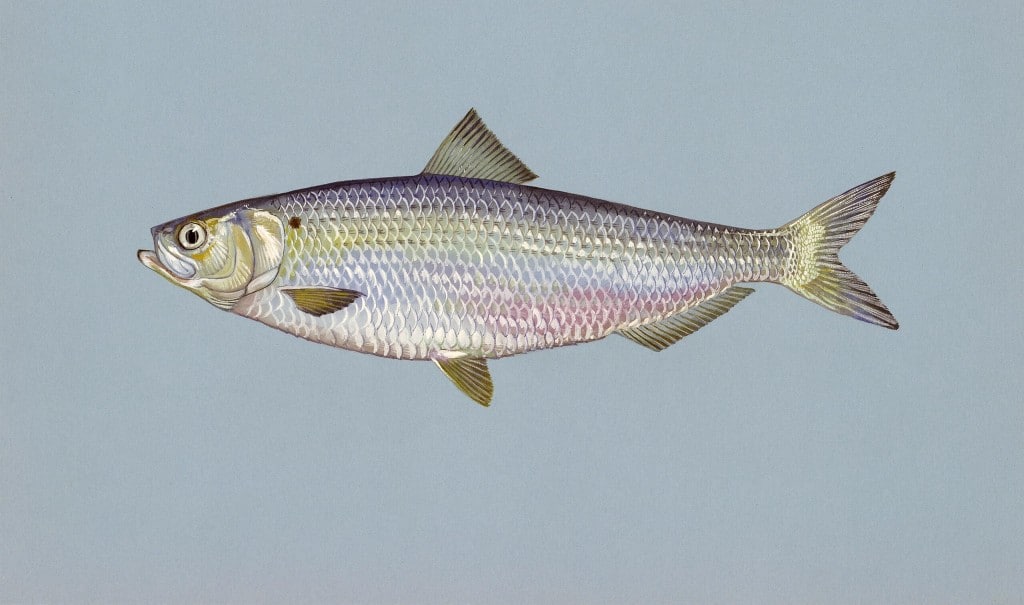
The spring migration of herring from the Atlantic Ocean through the Charles River is at its height, and Waltham residents get a front row seat at the Moody Street Dam.
The run began on April 29 and is set to continue into early June.
The number of herring making the annual run is an indicator of whether the river is running as it should. To help determine that, the Charles River Watershed Association will work with volunteers to monitor the migration.
The migrating fish include Alewife Herring and Blueback Herring, as well as Rainbow Smelt and American Shad. These fish make their way upstream from the Atlantic Ocean to spawn in the Charles River each year.
It’s unclear however how far the fish are able to get up the river due to barriers such as old dams and incorrectly built fish ladders. The Moody Street Dam has a fish ladder, but it is questionable how well it works, said Lisa Kumpf, senior restoration program manager at the CRWA.
Kumpf said more fish ladders need to be installed at the dams along the Charles so that fish can make their way further upriver.
“Their spawning habitat and migratory habitat have significantly decreased since colonialism in the Northeast U.S.,” said Kumpf.
The run is a sign of spring and a healthy river
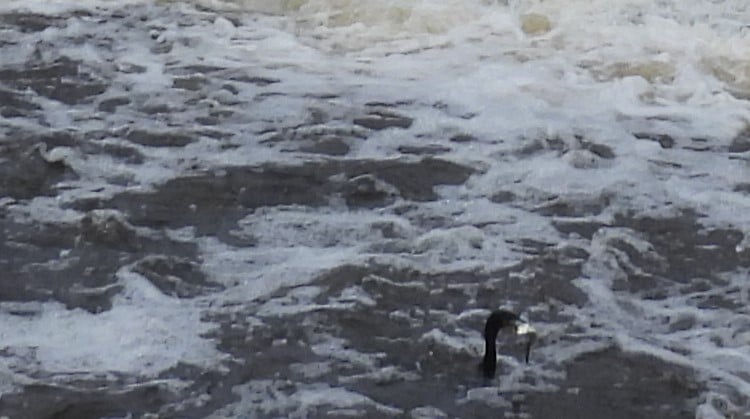
The annual herring run and subsequent festivities are an often-overlooked sign of spring.
“Just like you have the buds on the trees, the fish coming up the rivers is really a celebration of life and abundance,” Kumpf said in an interview with The Waltham Times.
Historically, for the indigenous peoples of Massachusetts, the herring run was not only a sign of spring but a sign of the health of an environment that would continue to care for them.
“One of our indigenous partners often tells the story that his tribe would tell, that the fish used to be so abundant in the rivers that the river looked black and you could walk across it. In our collective imagination of the way things are right now, we don’t even have that as a possible framework for how much abundance we’re missing in the world.”
To help support the successful migration of the herrings, the CRWA created a herring count training video and seeks volunteer support in order to count the number of herring making their way upstream.
Individuals interested in helping monitor how many fish are participating in the migration can sign up to volunteer for a 10-minute time slot at the Watertown Dam, where there are currently anywhere from 200 to 900 fish passing through the ladder within a ten-minute period. Volunteers count the number of fish passing through a fish ladder in the ten minute window and report back to the CRWA.
Kumpf also advocates for the removal of the dams that are making it difficult for herring to get upriver and encourages community members to ask their local officials to support the dismantling of dams.
“When dams are removed, there’s an abundance that returns not only in terms of aquatic species but also bugs and vegetation along the side of the river,” Kumpf said.
Kumpf will lead an informational tour of the Watertown Dam during this Sunday’s Herring Festival from 11 a.m. to 3 p.m. at 64 Pleasant Street in Watertown. The festival will also feature food trucks, face painting, linocut stamp printing, trivia and fish hat making.

Author