
Annual Charles River herring run in full swing, documented with help from volunteers
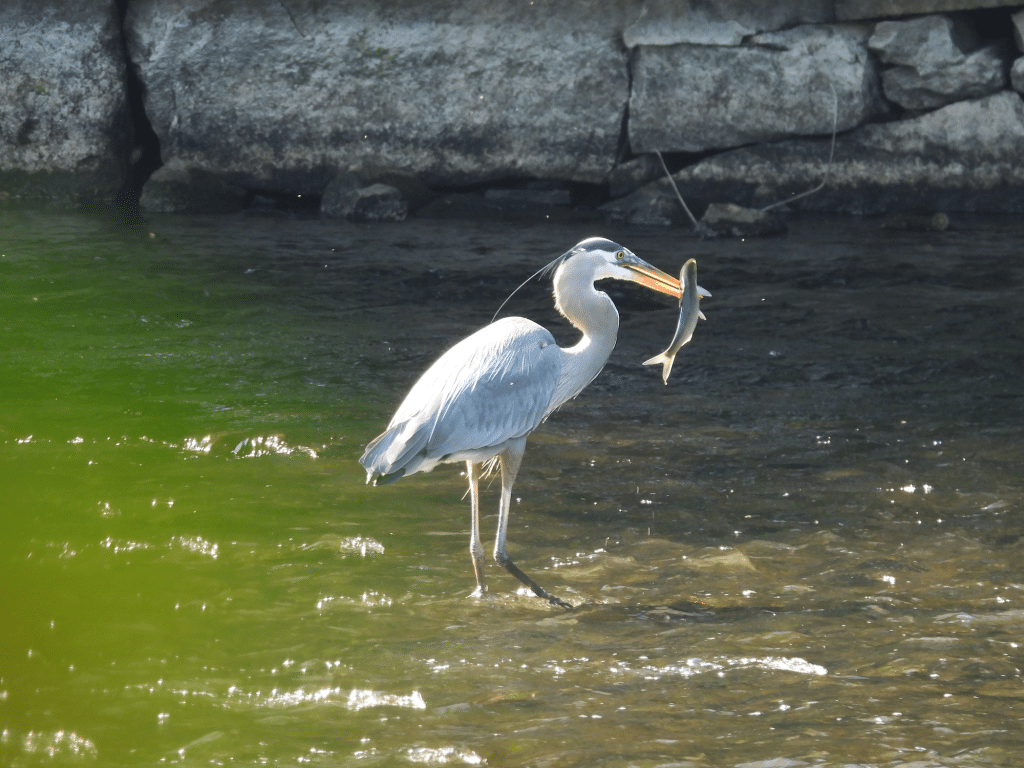
The annual spring migration of herring from the Atlantic Ocean through the Charles River began earlier this month. The migrating fish include alewife herring and blueback herring, as well as rainbow smelt and American shad. These fish make their way upstream from the Atlantic to spawn in the Charles each year.
The indigenous people of Massachusetts historically used the herring run as not only a sign of spring but as a sign of the environment’s health. The migration isn’t as prolific as it once was as dams, incorrectly built fish ladders and pollution prevent fish from getting upstream. For example, the Moody Street Dam in Waltham has a fish ladder, but it is unclear how well it works.
Also unclear is how far the fish are able to make it up the river, although ecologists assert that installing more fish ladders would let the fish make it farther upriver.
Volunteers integral to documenting the migration
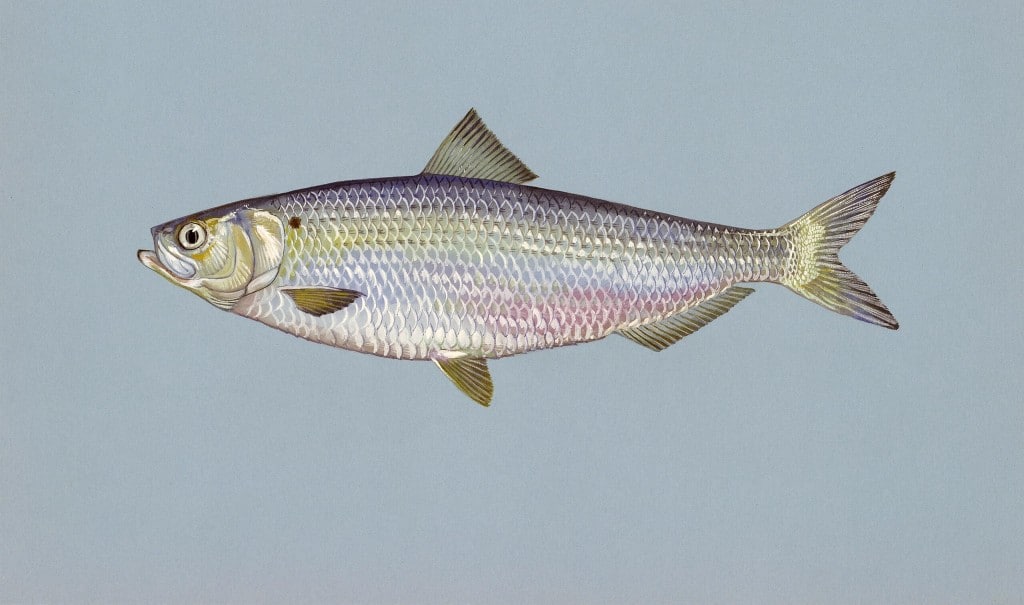
To help understand the herring migration, the Charles River Watershed Association created a herring count training video and relies on volunteers to count the herring making their way upstream. The number of fish making the annual run is an indicator of whether the river is running as it should. Those interested in helping to count herring can sign up to volunteer for a weekly 10-minute time slot at the Watertown Dam.
A white board has been installed on the river bed at the dam so volunteers can see the fish more easily. After taking air and water temperature readings using instruments provided by the CRWA, volunteers count the number of fish that cross the board in 10 minutes. The data is sent to the CRWA, which then sends it to the state Division of Marine Fisheries.
“They use the results to extrapolate the data and estimate the size of the migration each year. It’s really important that volunteers do [this work],” said CRWA volunteer and outreach manager Ryan Smith. “Without this data, we wouldn’t have an accurate sense of the size of the migration from year to year.”
Smith said volunteers counted 78,674 herring last year. This data was used to calculate a migration size of between 145,276 and 449,354 fish. The range will narrow as more years of data make the model more accurate.
Alan Humbert has volunteered with the organization since 2024. He said he enjoys watching the size of the migration grow.
“There’s something elemental about it. The Charles has been important for eons, well before European civilization. It’s cool that we still get the annual cycles of nature doing its thing,” said Humbert, whose 10-minute time slot on May 19 yielded a count of 1,300 fish.
Aside from volunteering, Humbert has done some research on the herring run. “I’ve read a couple things online that say the herring used to make it up to Hardy Pond, and I’m trying to look and figure out how the heck they would’ve done that,” he said. He hopes to visit the pond in the coming weeks to investigate.
Author

Comments (2)
Comments are closed.





“Herron” entymology is French.
“Herring” has Germanic roots.
You can almost hear the Herron say, “ bon appetite!” “C’est une tuerie!”
What would the Herring say?
“Bitte nicht essen!” …maybe?
Yes that is an interesting question. I’m guessing it was s branch of the Charles.