
State grant funds Charles River restoration work

The state granted more than $1 million to six river and wetland restoration groups, including one whose restoration work involves the Charles River.
The Metro Boston Partnership, a collaboration between the Charles River Watershed Association and the Neponset River Watershed Association, landed $101,305 for its planned restoration and climate resilience work for the Charles and Neponset River watersheds.
The Charles and Neponset River watersheds span 428 square miles in Eastern Massachusetts.
“The watersheds are separate, but they directly abut each other and mix in the Boston Harbor,” said Amber Siegel, CRWA’s senior restoration manager. “Water is impartial to geographic and organization boundaries. All issues waterways are facing and their solutions flow together.”
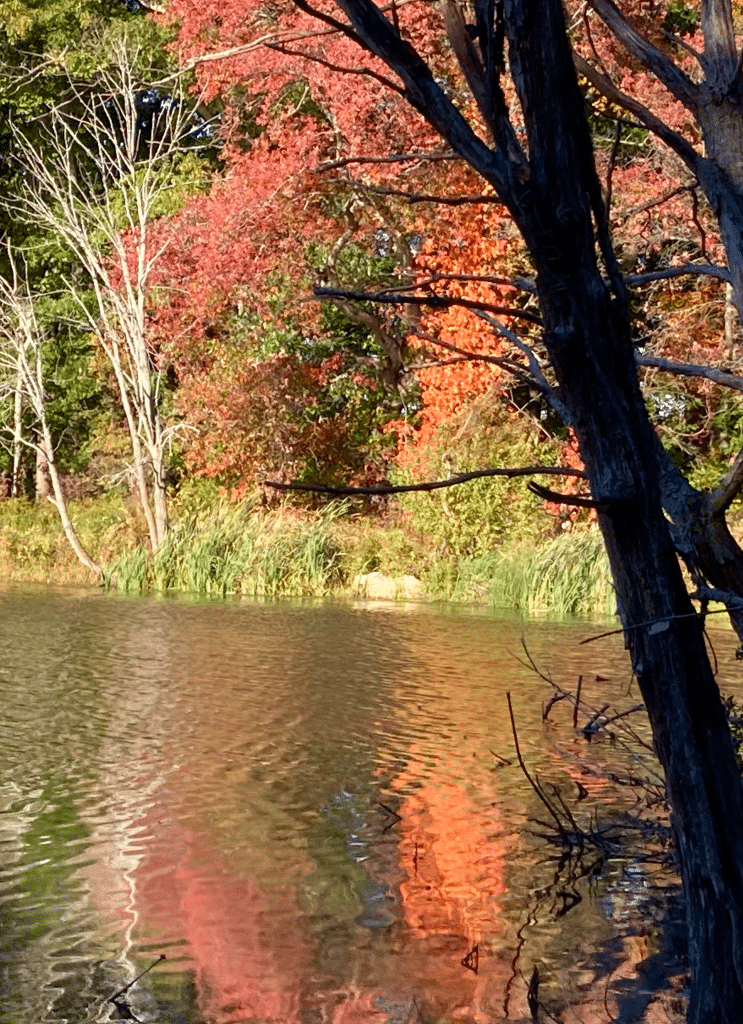
The partnership plans to develop a strategic restoration plan for both watersheds by working with volunteers, nonprofits and municipalities. It will include elements from CRWA’s current strategic restoration plan. Culvert replacements on Beaver Brook and Chester Brook in Waltham are expected to be included in the project, according to Massachusetts Department of Fish and Game spokesperson Julia E. Hopkins. Other components of the project include dam removals, a restoration of the Neponset salt marsh and wetland restoration in Mattapan.
Siegal said the restoration project seeks to reverse the damage sustained by the watershed as human development grew around it. “In the Metro Boston area over the last 400 years following colonization and industrialization, our waterways have been really severely altered,” she said.
The partnership’s plans, which include wetlands restoration, removal of nonfunctional dams and expanding culverts to handle water swells from greater storm events, are expected to improve water quality and the connectivity of the rivers, Siegel said. She explained that cleaner and more connected waterways reduce flood risk, allow for proper fish migration and protect existing infrastructure. Improved water quality should also help to prevent future algae blooms, making the water more habitable for aquatic life, too.
The Healey-Driscoll administration announced the grants earlier this month.
Author



Comments (0)
There are no comments on this article.