Waltham man sentenced for 2023 shooting
Judge C. William Barrett on Tuesday sentenced Josh Pierre, 23, of Waltham, to state prison for the fatal shooting of 22-year-old Shelson Jules.
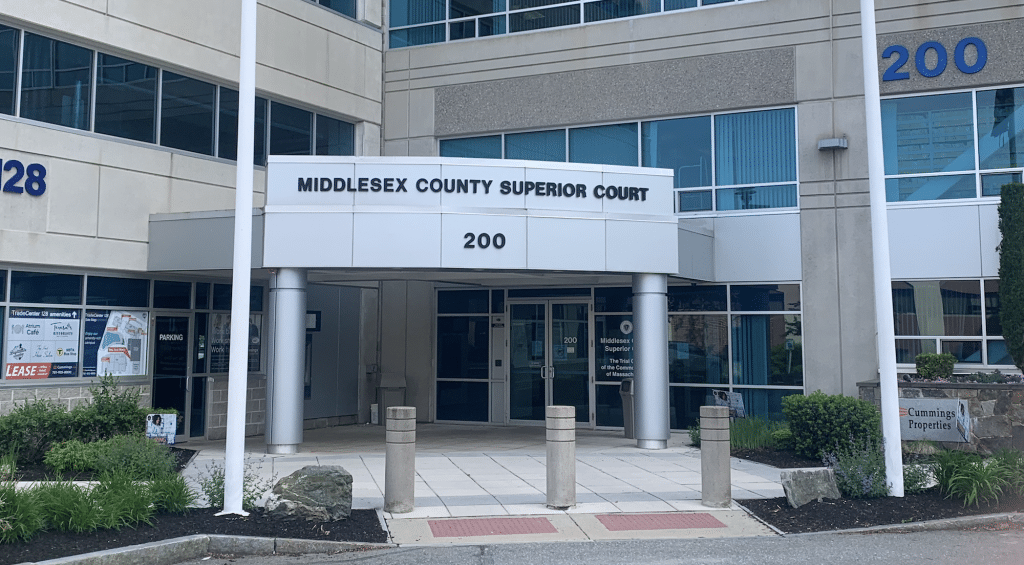
Speaking from the bench at Middlesex Superior Court, Barrett said evidence showed that the fight between the two men that resulted in the death of Jules was over someone getting cut in line while waiting to get into a nightclub.
Barrett gave Pierre a state prison sentence of 12 to 14 years for voluntary manslaughter and a four to five year sentence for possession of a firearm without a license. Pierre will serve the sentences concurrently, meaning alongside each other rather than consecutively, so Pierre would be released following the conclusion of the manslaughter sentence.
Pierre will serve his sentence at the Souza-Baranowski Correctional Center, a maximum-security facility in Lancaster.
The packed courtroom listened silently as the defense and prosecution gave their closing statements.
“At every opportunity, rather than step back from conflict, he stepped forward,” said prosecutor Graham Van Epps.
Van Epps told the court that Pierre made a conscious decision to bring an illegally-owned high-capacity firearm to a confrontation with Jules on May 22, 2023.
Van Epps said Pierre used excessive force during the fight, as witnesses saw Pierre fire his gun at Jules as he was attempting to flee the area.
The prosecution also called into question Pierre’s conduct after the events of the shooting, saying that he directed Strawensky Cebeat to remove his firearm from the crime scene and disassemble it as part of an effort to cover up the killing. Cebeat was recently sentenced as an accessory to murder and for evidence tampering in connection with this case.
Pierre’s defense recommended a sentence of seven to nine years for the manslaughter charge, but the prosecution disagreed, citing three different cases, including the 2004 sentencing of Jerone Jones in Middlesex Superior Court, where the defendant was given a longer sentence for manslaughter.
Michael Tumposky, Pierre’s defense lawyer, disagreed with the prosecution’s use of past cases as precedent for a harsher sentence, saying that the prosecution only provided sparse details from each case and did not have information on whether the individuals sentenced had prior criminal records, noting that Pierre did not.
“I don’t think that anecdotally reciting manslaughter cases is particularly helpful,” Tumposky said.
Tumposky based part of the defense on the fact that Pierre had no criminal record before the shooting and demonstrated good behavior while in custody awaiting his trial.
Pierre stood up during his sentencing and apologized to the victim’s family, saying he had taken steps to change while in jail, enrolling in a youth diversion program.
Tumposky said that the program, along with Pierre’s good conduct while awaiting his trial, spoke to his ability to rehabilitate while serving his sentence.
Barrett chose to go with the longer 12 to 14 year sentence, saying that the common theme in this case was the resulting “waste of life,” with Jules’ death and Pierre’s prison sentence both stemming from an argument over something minor.
Author