
No updates yet for Waltham Housing Authority on Marguerite Avenue units
The fate of two accessible units in the city’s housing inventory remains up in the air after months of uncertainty.
The two units at Marguerite Avenue are owned by the state Department of Mental Health, and the WHA’s 30-year lease of the buildings recently ran out. Mark Johnson, the WHA’s assistant executive director, told the organization’s board of trustees at its Thursday meeting that he has reached out to the DMH to arrange a meeting and discuss the units’ future, but has yet to hear back.
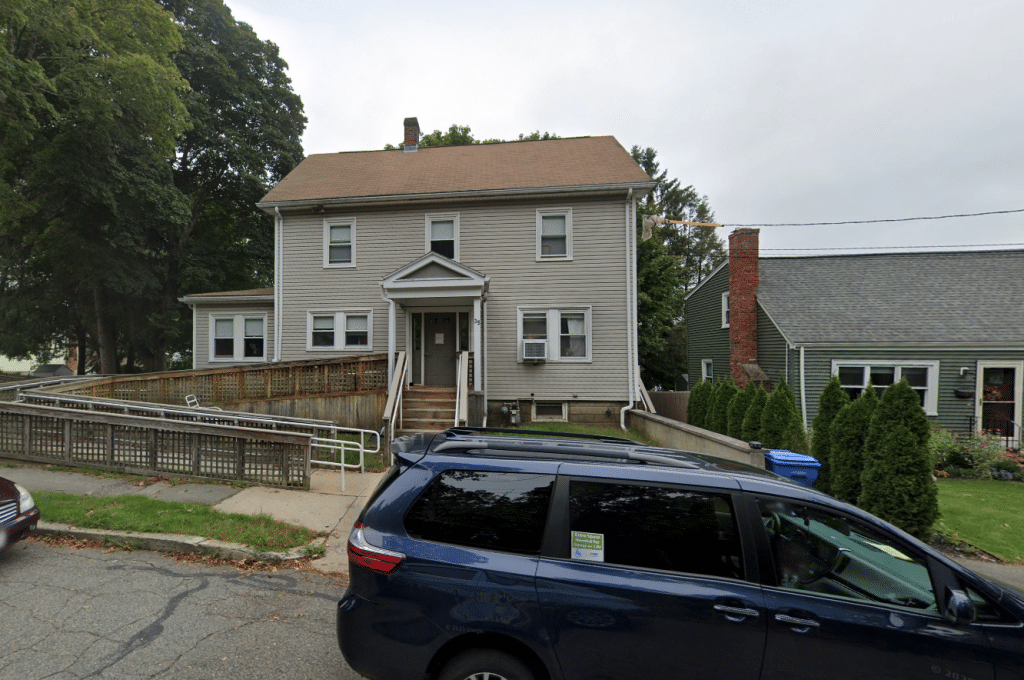
Executive Director John Gollinger said that even in the absence of these lease issues, the board would need to conduct property repairs and purchase insurance, which he estimated might cost $10,000 to $20,000 per unit. Previously, Johnson suggested they may incur even higher costs, saying modernizing the houses might cost $70,000 to $75,000 and the WHA could require between $20,000 and $25,000 to repair damage from a previous tenant.
“It needs some work, there’s no question about it. [But] the extent of the work that we’re going to do is dependent on what they want to do with the building. I don’t want to fix up a house that’s going to be torn down by them, or totally rehabbed by them,” said Gollinger.
Additionally, the WHA Board of Trustees heard updates on:
- Current renovations in WHA housing. The organization is doing accessibility upgrades at properties at Grove Street, kitchen and bathroom renovations at Beaver Brook and Hammond Street, pipe work at a Prospect Hill property and window replacements on Prospect Street. The maintenance team has received 462 work orders this month, many of them for AC repairs.
- Vacancies and requested work at WHA properties. There are 13 empty units, including units under renovation. Maintenance director Sharif Omer said five of them would be filled by the end of the week.
- The WHA’s finances, which Gollinger said were lower than expected. Gollinger said he was investigating a downtick in one of the organization’s funding streams, but the organization was also seeing higher-than-expected administrative salary costs, high utility bills from the winter months and lower rents, in part because of a lack of applicants with disabilities for accessible units. He said the organization was expecting a later installment of capital funds that should take care of any deficit.
Author

Comments (1)
Comments are closed.


Artie’s reporting on the Marguerite Avenue standstill really highlights a familiar challenge in Waltham: we have multiple boards, committees, and authorities all working on housing, but those efforts are usually separate and distinct from our broader city planning. Yet, the city actually has a local tool—CPA funding—capable of filling the financial gap. This situation highlights why the city needs a unified, coordinated framework where everyone sits at the same table to help alleviate these types of situations.