
Question 3 divides Democrats over proposed changes to state’s primary system
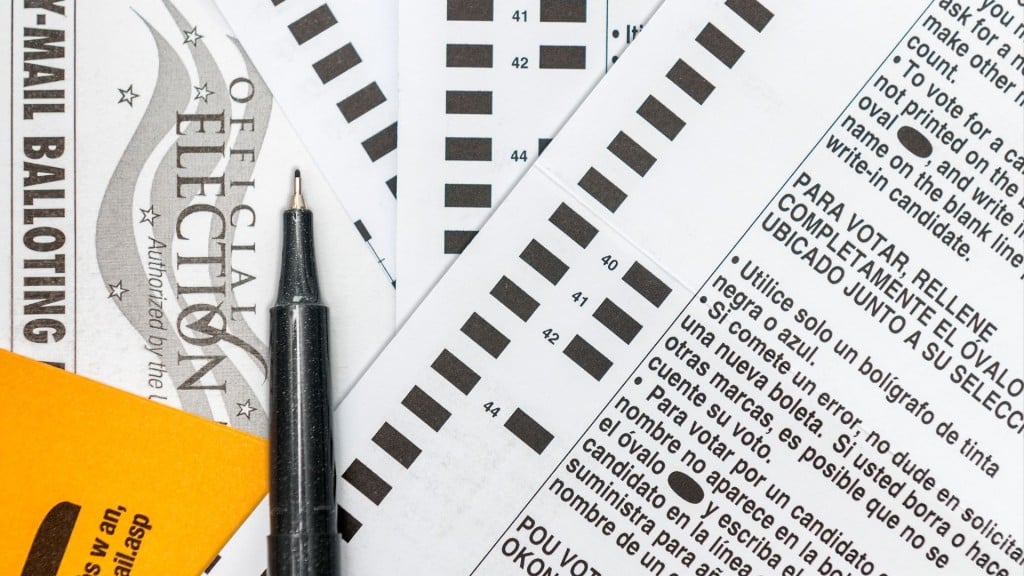
Question 3 on the ballot would replace separate party primaries with a single all-party primary, sending the top two vote-getters to the general election beginning in 2028. Supporters cite increased competition, while opponents warn of advantages for well-funded campaigns and favor ranked-choice voting.
Harvard University political scientist Danielle Allen developed the initiative with the Coalition for Healthy Democracy. California and Washington use comparable top-two systems, while Alaska uses a top-four primary with ranked-choice voting.
The system would apply to statewide offices, state legislative seats, congressional races, district offices such as district attorney and certain county positions. It would not apply to municipal offices.
Allen and state Sen. Lydia Edwards, who opposes the measure, debated the ballot initiative on GBH’s Boston Public Radio on Tuesday, Oct. 6.
Allen said an all-party primary would make incumbents more vulnerable by giving challengers a better chance to reach the general election. Due to the larger turnout for general elections, Allen said the electorate would be more diverse than those who voted in the primary.
Edwards said Question 3 could give candidates with significant financial backing an advantage in reaching the general election by making campaign resources more important to finishing in the top two.
The Boston Globe reported that individuals with ties to private equity firms, including Bain Capital and Berkshire Partners, have donated millions of dollars to support the ballot campaign.
After the program, Edwards told the Waltham Times that large amounts of money should not be necessary to advance ballot questions. She said the initiative process could be made more accessible by lowering the number of signatures required to qualify a measure for the ballot.
Edwards said she supports electoral reform but favors ranked-choice voting over Question 3. Ranked-choice voting allows voters to rank candidates by preference, with lower-performing candidates eliminated in rounds until one candidate receives a majority.
Edwards said ranked-choice voting can encourage candidates to campaign less negatively against others in their party.
“People get turned off by the nastiness,” Edwards said. “More of us running is a good thing.”
If Question 3 passes, the law would take effect Jan. 1, 2028.
Author







Comments (0)
There are no comments on this article.