
Parking presentation at City Council draws out city officials’ concerns
At their meeting on May 18, city councilors discussed their hesitance to adopt current scholarship on residential parking requirements in the Boston area.
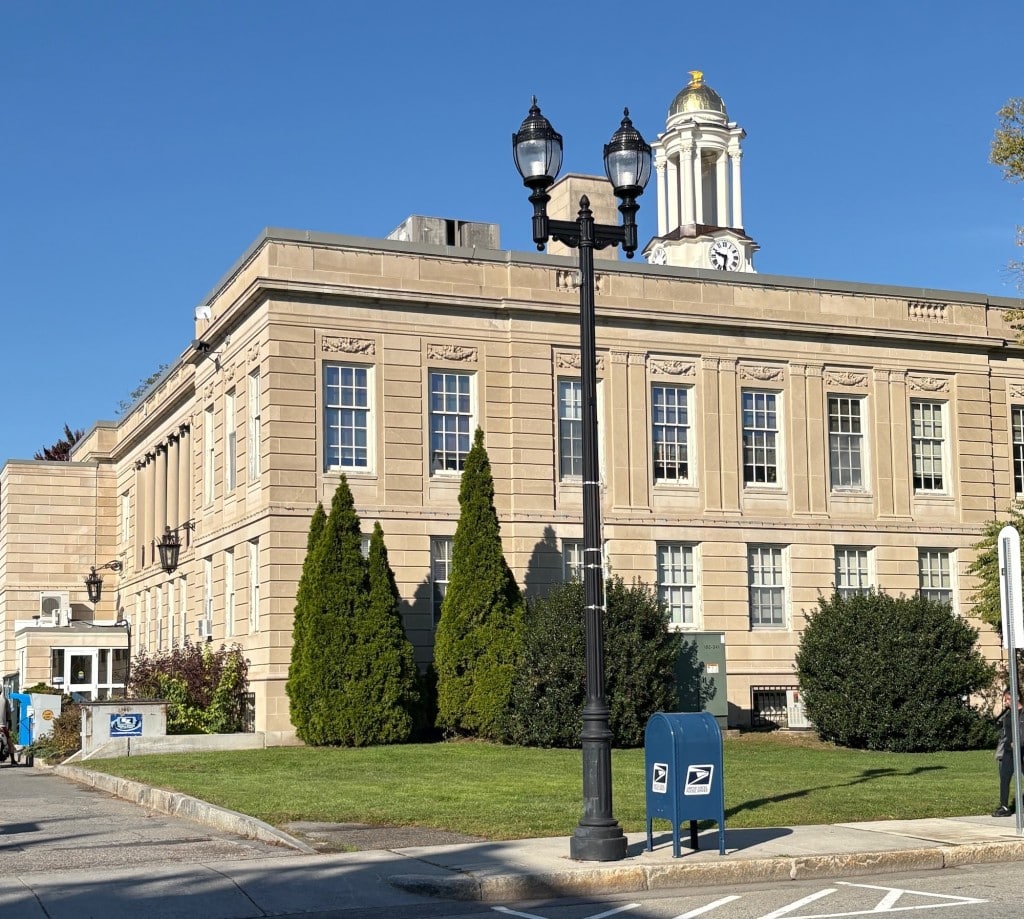
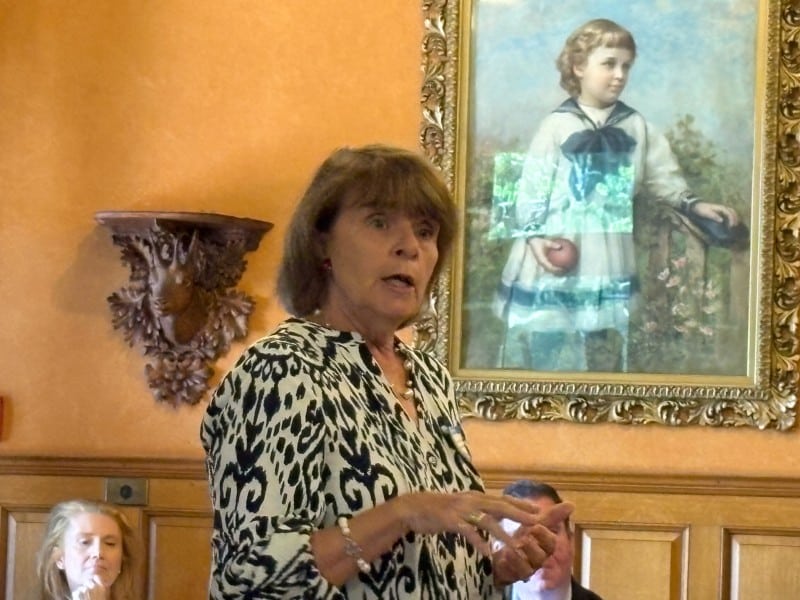
At the request of Councilor-at-Large Colleen Bradley-MacArthur, Travis Pollack, assistant director of the Metropolitan Area Planning Council, visited City Council to present results from his organization’s long-time research on traffic and parking utilization around Greater Boston.
MAPC is a public research organization that helps cities and towns in the Metro Boston area with municipal planning and policy. The city has worked with MAPC on subjects like housing affordability, bikeshare programs and the city’s 2007 Community Development Plan.
Pollack said colleagues’ firsthand data collection around Greater Boston has shown that parking is largely overbuilt and underused in the area, sometimes by quite a lot.
In a 2023 study, the MAPC team found that, on average, municipalities in the WestMetro HOME Consortium — a collection of cities and towns west of Boston that includes Waltham — required developers to provide 1.45 spaces for every unit of housing, but residents only used about 0.92 spaces per unit.
Pollack said high parking requirements can mean higher development costs and less open space, adding that the governments of local municipalities such as Chelsea, Salem and Boston have been working to their own parking minimums.
He also gave some background information from MAPC’s research, saying larger multifamily residential developments often require significantly less parking than single-family homes, and that municipalities can reduce it even further by fine-tuning neighborhoods’ density, diversity of development and street network design.
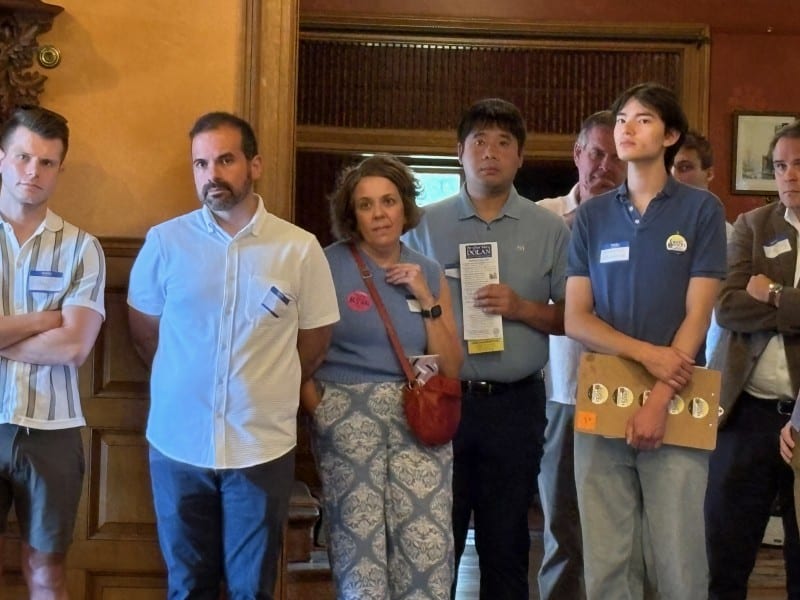
Multiple councilors pushed back on whether MAPC’s research could apply to Waltham. Ward 1 Councilor Anthony LaFauci pointed out that many of the cities MAPC researched were more central and more regularly served by the MBTA.
“Here in Waltham we have the commuter rail that runs intermittently and our bus routes have been reduced dramatically,” he said. “When there isn’t state support, what happens?”
Pollock said MAPC had studied municipalities all over Greater Boston, and had noticed consistent results throughout the area, even in areas like Sudbury that “do not have much transit at all.”
The group only looked at two locations in Waltham in its 2023 study of the area. Ward 8 Councilor Cathyann Harris said the locations they chose were not representative of most multifamily developments in Waltham; she said that to paint a more accurate picture, the organization should look at larger transit-oriented developments in the downtown area and housing in North Waltham that’s inaccessible via the MBTA.
Harris added that in many locations, parking minimums particularly interfered with small businesses, which she said depend on being accessible to consumers from other communities. “Parking in the downtown is what makes the downtown thrive,” she said.
Pollack said MAPC had studied situations with similar concerns to Waltham’s downtown: When MAPC helped Burlington with improvements around the Burlington Mall, he said they used a “park once” premise to design the area so shoppers could feel comfortable parking their cars and then visiting multiple businesses by foot.
Pollack said MAPC had not examined commercial parking needs as a part of this study, but he could try to retrieve any other relevant information for the council, including, at Harris’ request, copies of some of their planning departments for the Burlington Mall. He added that MAPC can work with municipalities to make more tailored requirements for their specific needs. “Every community is a little different,” he said.
Author

Comments (2)
Comments are closed.





I think the council is right to at least question this parking research and its applicability to our circumstance here in Waltham.
For example, if new developments charge an added fee for onsite parking it might contribute to its lack of use while adding a load on “free” street parking as people seek to avoid the surcharge.
The council should definitely take a serious look at both the data and the drivers behind the research that generated it. This would hopefully result in a well rounded decision.
Even better would be to have a master plan for the City so these decisions could be made in the context of an investigated and agreed vision for Walthams future!
Thanks Waltham Times for your great reporting!
Downtown parking is something that I hope a future economic development manager will study in detail. I suspect local business will actually do better when replace unused parking with future customers.