
In deep-blue Waltham, the election that matters is the one people skip
Voting experts in Massachusetts expect relatively high turnout for this year’s state election because of the numerous ballot questions and some high-profile contests.
Even so, Waltham and other municipalities may have trouble bringing people to the polls for the Nov. 3 general election and especially for the Sept. 1 primary.
Turnout for state elections regularly outpace turnout for municipal elections in Waltham. Neither, however, reach the heights of typical turnout for presidential elections. Between 70 to 80% of Waltham voters cast ballots, whereas statewide elections since 2010 have averaged 55% turnout in the city.
Shanique Rodriguez is the executive director of the nonprofit Massachusetts Voter Table, which works to increase voter turnout in Boston and the state’s gateway cities, especially in marginalized and historically disenfranchised communities.
Rodriguez said Waltham sees better turnout than many of the communities she works with directly, partly because of the city’s larger size and budget. But turnout is a statewide problem, she said. Many communities, Waltham included, do better in hotly contested races that draw heavy news coverage and in elections with high-profile ballot questions. Lopsided contests and local and district-level races without state or federal name recognition struggle to attract as much attention – and, thus, voter turnout.
Primaries fare even worse. A primary is “way harder to advertise than the general election, because it’s happening at an odd time of year,” Rodriguez said. Plus, candidates aren’t certified until the start of the summer, when many families are juggling childcare and vacations.
Yet, in Massachusetts, a state that consistently leans Democratic, (as is the case in any state where one party dominates) a primary can be more closely contested – and more consequential – than the general election. Skipping one, therefore, can mean giving up a voter’s most meaningful say.
In fact, one November ballot question goes to this point, as it seeks to eliminate partisan primaries in favor of one unified primary where the top two vote-getters advance to the general election, regardless of party affiliation. Rodriguez backs this primary model, saying that it would give voters a more competitive choice. Still, it would not close the public education and engagement gaps that depress primary turnout, she said.
Outside of “super voters” – people in the habit of voting every single election – many people vote only in presidential elections, Rodriguez said. She attributes this partly to the public’s disproportionate focus on the federal government, and said public institutions and organizations like hers must make a better case for how primaries and local races also shape people’s lives.
Getting out the vote
The Waltham Clerk’s Office uses social media posts and outreach, sandwich boards around the city and voter registration drives at Waltham High School to encourage voting. The city has posted an ad on The Waltham Times website, too.
In an email to The Waltham Times, Ward 6 Councilor Sean T. Durkee called for funding more turnout programs, including door-to-door outreach, and stressed councilors’ power to inform constituents about local issues.

He wrote that low voter turnout in recent municipal elections may reflect a growing reluctance to engage with democratic systems. “Post-COVID, more people are working from home, commenting more online, and voting less,” he wrote.
Rodriguez agreed that political debate has migrated online, where partisan forums can breed isolation and echo chambers. But the internet can also draw voters in, she said, if advocates build trusted forums for neutral information, online and off.
Rodriguez urged residents to stay engaged between elections.
“One of the most beautiful things about this country is our democracy, and it’s very sad to see how less and less engaged we become,” she said. “And I think there are a lot of things behind that, but people need to remember that regardless, [for] the sake of our own democracy, we should still uphold it by engaging in the process as best we can … it’s our job to work hard to change it so it is upheld in a way that feels meaningful to us all.”
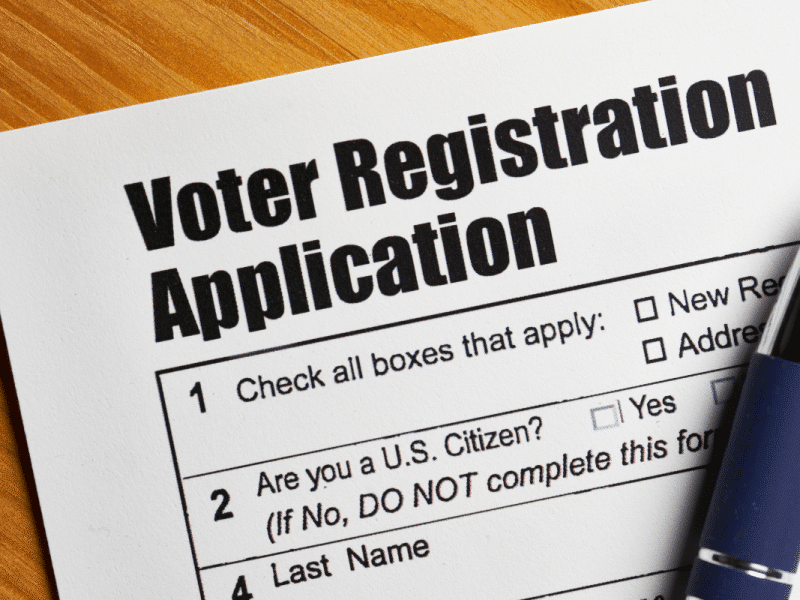
The city website’s elections page contains information on registration deadlines, voting locations and the questions on the ballot. The deadline to register to vote in the Sept. 1 primary election is Aug. 22.
Author




Comments (0)
There are no comments on this article.