Critical drought declared for Waltham, state’s northeast region
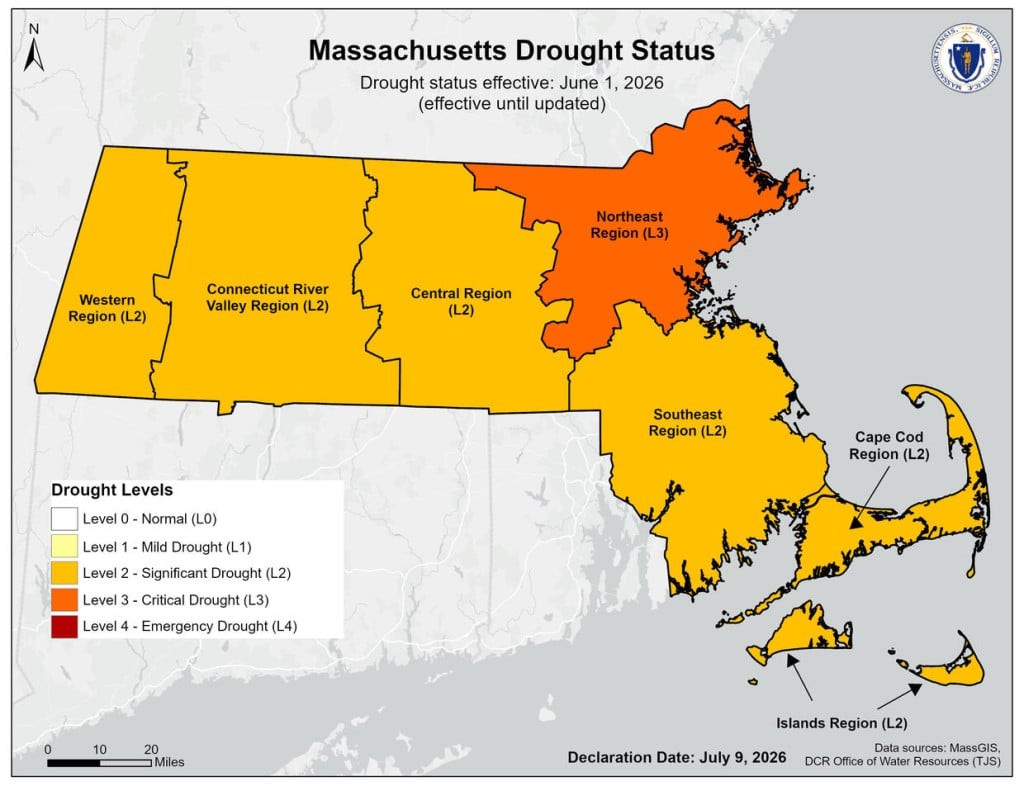
The northeast region of Massachusetts, which includes Waltham, is in a level 3 critical drought, according to the state’s Office of Water Resources. The rest of the state is in a level 2 significant drought status.
The drought status, shared by Energy and Environmental Affairs Secretary Rebecca Tepper in a recent press release, emphasizes the need to take extra precaution against brush fire and conserve water where possible.
Combatting fire risk
Drought conditions increase fire risk, according to Waltham Fire Department Lt. Mike Murphy.
“Much of the outdoor vegetation can become fuel for fire. Dry brush like fallen leaves and also mulch can more easily ignite,” Murphy explained.
To reduce risk, Murphy advises residents to clean up piles of leaves and dried-up vegetation and to keep mulch away from residential structures. Adhering to Massachusetts Department of Fire Safety guidelines while grilling, keeping a fire extinguisher handy while cooking outside and putting out cigarettes in a metal can filled with water can reduce risk as well, he said.
Murphy stressed that outdoor burning is not allowed in Waltham at any time, as is standard for many Boston-area communities. While propane-fed gas fire pits are allowed, wood fire pits are not.
Effects on the environment
The drought has significantly affected Waltham’s local flora and fauna. According to Waltham Land Trust Executive Director Sonja Wadman, the effects are cascading.
“Water sources like the Charles River, Hardy Pond and our brooks shrink, resulting in concentrated amounts of pollutants and exposing critical habitat for fish, migrating birds and amphibians found along the edges of waterways and in wetlands,” she explained.
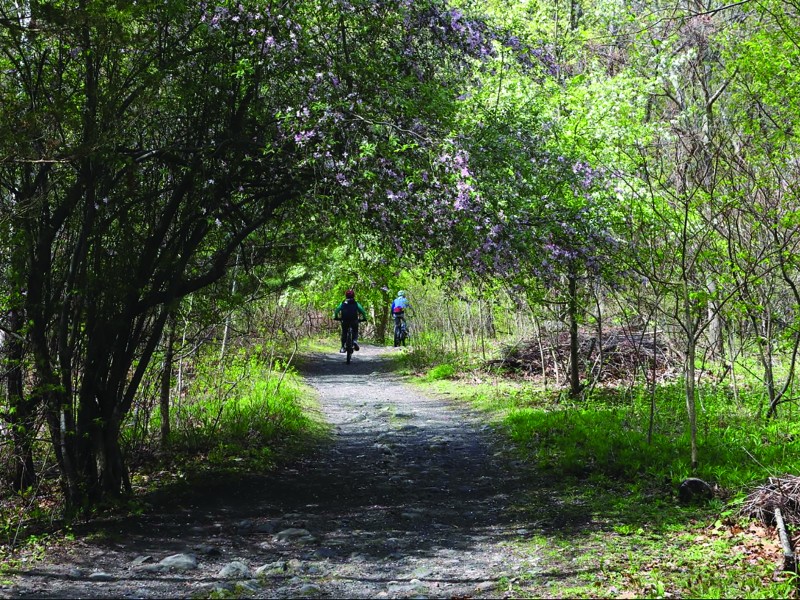
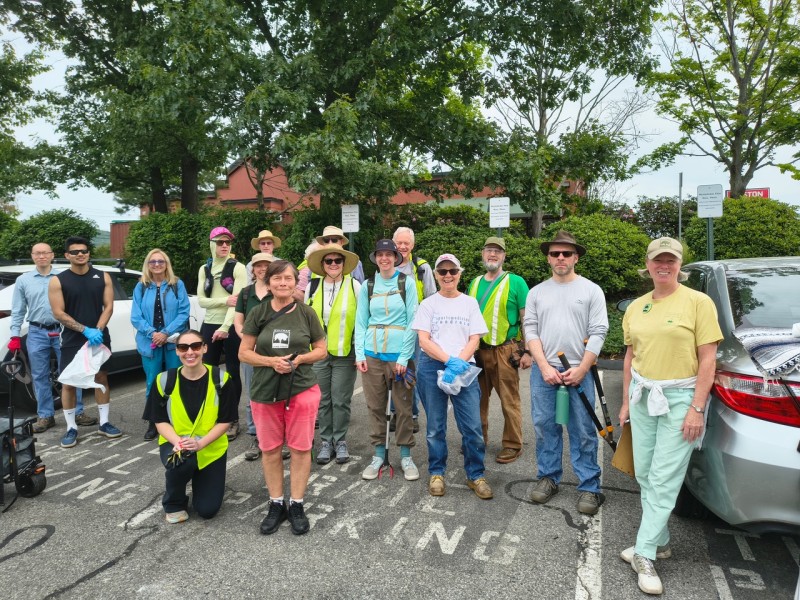
Wadman also noted that trees and plants are affected by the lack of water and often die as a result. “Our volunteer trail and land restoration stewards are very busy trying their best to keep our recently planted and even more established vegetation moist,” she said.
Changes in gardening
Many gardens require water to thrive, which can pose a challenge during a drought. Waltham Garden Club member Kathy Hines said a cotton rope wick and water-filled buckets can help to keep soil moist.
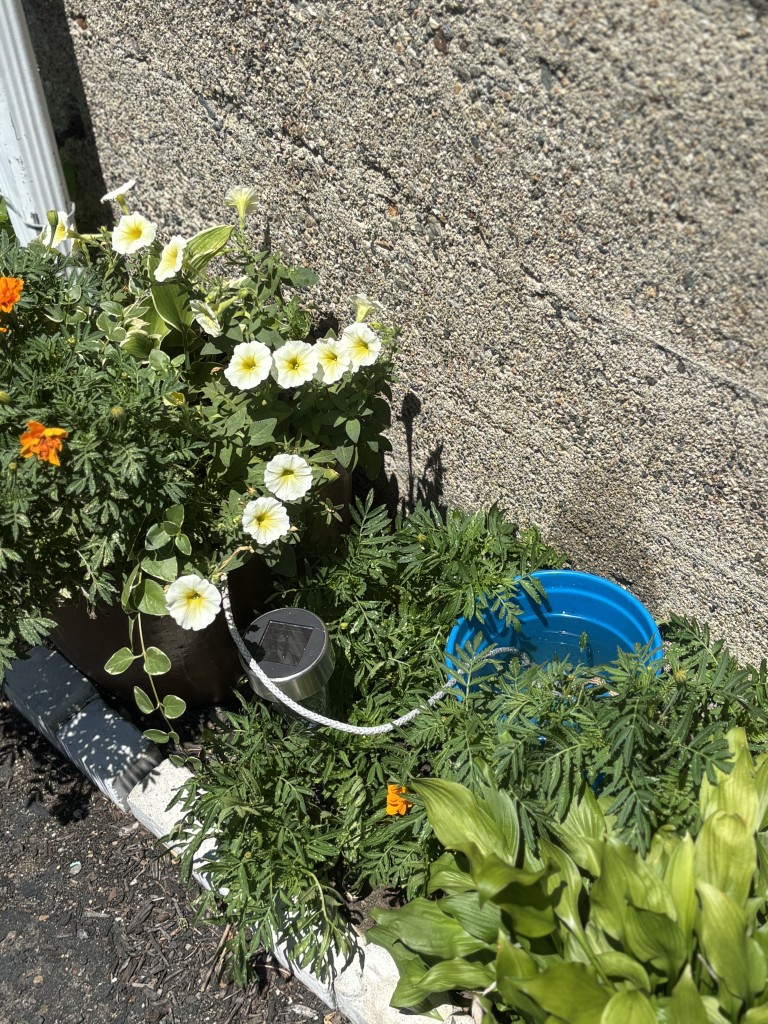
“I place the water-filled buckets in strategic spots around my garden and run a length of rope from the bottom of the pail to the roots of the plant and bury the end of the rope,” Hines said. “My perennials can last about three to four days absorbing water as needed while I’m away.”
Hines leaves this setup in her garden during the drought, as she believes it helps save water.
Waltham Garden Club member Nancy Eyster-Smith suggests collecting rainwater to use in place of water from a hose. “Some years I can manage to not use my hose in a vegetable garden and flower gardens except for a few times during the summer,” she said. Additionally, Eyster-Smith recommends using mulch to reduce evaporation and planting drought-tolerant plant varieties such as butterfly milkweed, which is native to Massachusetts.
Individual action
While residents can’t change how much precipitation the state gets, they can take actions that help protect the water supply during a drought, Tepper said.
The state Executive Office of Energy and Environmental Affairs compiled a list of actions residents can take to help promote the recovery of the state’s water system:
For regions in Level 3 – Critical Drought
Residents and Businesses:
- Follow state water conservation measures and any local water use restrictions.
- Monitor total household water use shown on your water bill for sudden increases, which often indicate leaks. Use the MA home water use calculator tool to evaluate household water use.
- Fix any toilet or faucet leaks immediately.
- Check for leaks regularly by:
- Checking water meters for constant dial movement.
- Using dye tabs to check for toilet leaks.
- Conducting regular inspections of all pipes and fixtures, including those located in utility rooms, crawlspaces and other hidden areas.
- Use dishwashers rather than handwashing dishes. Run the dishwasher only on a full load.
- Reduce indoor water use by:
- Taking showers rather than baths.
- Reducing shower length and using a shower timer.
- Running washing machines only on a full load.
- Turning off the water while brushing teeth and shaving.
- Replacing old fixtures and appliances with water-efficient ones. Make sure toilets, faucets and showerheads are WaterSense labeled.
- Stop all nonessential water use.
Author